
Electric SUVs
Tesla Model 3 Review 2026: Price, Range, and Worth Buying?
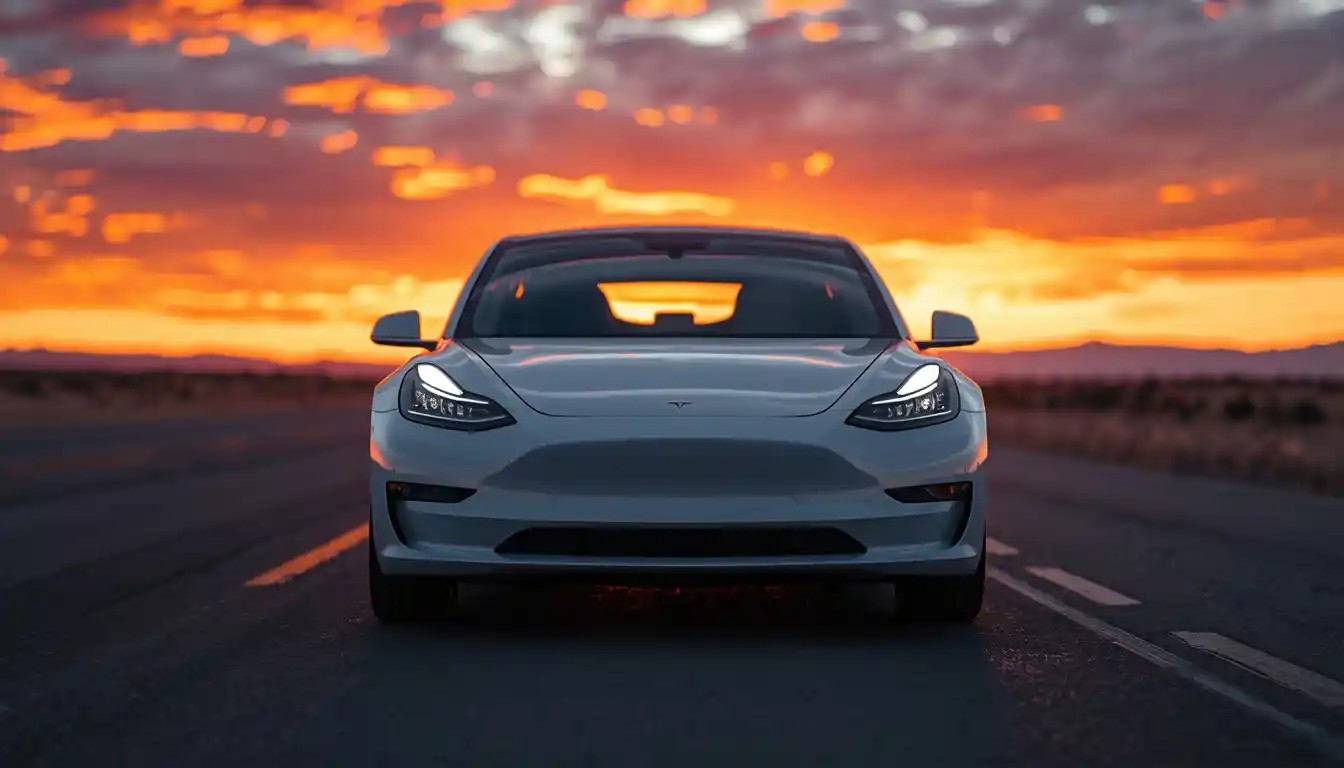
“The 2026 Tesla Model 3 starts at $36,990 and still leads the electric sedan market on range, charging speed, and long-term ownership costs. Three years after the Highland refresh, nothing at this price has closed the gap in any meaningful way.”
What Is the Tesla Model 3?
The Tesla Model 3 is a midsize battery electric sedan built by Tesla, Inc. First introduced in 2017, it became the world’s best-selling plug-in electric car for three consecutive years from 2018 to 2020.
By June 2021, it crossed 1 million global sales, a milestone no other electric car had reached before.

The 2024 Highland refresh sharpened the exterior, redesigned the interior with a rear passenger touchscreen, improved range by roughly 10%, and brought better noise insulation.
For the 2026 model year, Tesla brought back the base Standard trim and rearranged the lineup, making it more accessible than ever.
The Model 3 sits in a category of its own among electric sedans. It’s not trying to be a BMW 3 Series or a luxury car.
It’s a tech-forward, efficient, and genuinely fun-to-drive electric vehicle that happens to be priced competitively.
2026 Tesla Model 3 Trims and Pricing: Full Comparison Table
Here’s the complete 2026 Tesla Model 3 lineup side by side so you can see exactly what each trim gets you and where your money goes:
| Trim | Price | Range (EPA) | 0-60 mph | Drive | Key Extras |
| Standard RWD | $36,990 | 321 miles | 5.8 sec | RWD | 15.4″ screen, Autopilot, heated front seats |
| Premium RWD | $44,130 | 363 miles | 4.9 sec | RWD | Ventilated seats, rear screen, 17-speaker audio |
| Premium AWD | $49,130 | 346 miles | 4.2 sec | AWD | Dual motor, all-weather traction, all Premium features |
| Performance AWD | $56,630 | 303 miles | 2.9 sec | AWD | 510 hp, adaptive dampers, Pirelli P Zero tires, track mode |
Standard RWD ($36,990)
The base Tesla Model 3 Standard starts at $36,990 and offers 321 miles of EPA-estimated range with a 0-60 mph time of 5.8 seconds. It uses 18-inch wheels and a single rear motor.
The Standard trim cuts costs with manually adjustable steering, textile seat inserts instead of full faux leather, no rear infotainment screen, and no ventilated seats.
Still, you get the 15.4-inch center touchscreen, Autopilot, heated front seats, and full Supercharger network access. For a daily driver on a budget, it’s a solid pick.
Premium RWD ($44,130) and Premium AWD ($49,130)
The Premium RWD is where I think most buyers get the best value. It delivers 363 miles of range, drops the 0-60 time to 4.9 seconds, and adds ventilated front seats, the rear 8-inch passenger screen, a 17 speaker premium audio system, and full faux leather upholstery.
For $7,140 more than the Standard, you get a noticeably upgraded experience. The Premium AWD adds dual motors and all wheel drive for $49,130, bringing range to 346 miles and 0-60 down to 4.2 seconds. If you live somewhere with harsh winters or frequent rain, the AWD version makes real sense.
Performance AWD ($56,630)
The Tesla Model 3 Performance is in a different league. It produces 510 horsepower, hits 60 mph in 2.9 seconds, and has a sport-tuned suspension with adaptive dampers.
Car and Driver clocked 2.8 seconds in real world testing, which beats cars costing tens of thousands more. The trade off is that range drops to 303 miles, and tires are expensive Pirelli P Zeroes that wear faster.
This trim makes sense if track days are actually part of your routine. For everyone else, the performance gap doesn’t justify the $12,500 price jump over the Premium RWD.
Tesla Model 3 Range and Charging: What to Actually Expect
The Tesla Model 3 Long Range RWD carries a 79.7 kWh battery and is EPA-rated at 363 miles. In Car and Driver’s real world 75 mph highway test, it returned 310 miles, which is still excellent.
The Standard trim is rated for 321 miles EPA. Real world numbers will vary based on speed, temperature, and how you use the climate system.
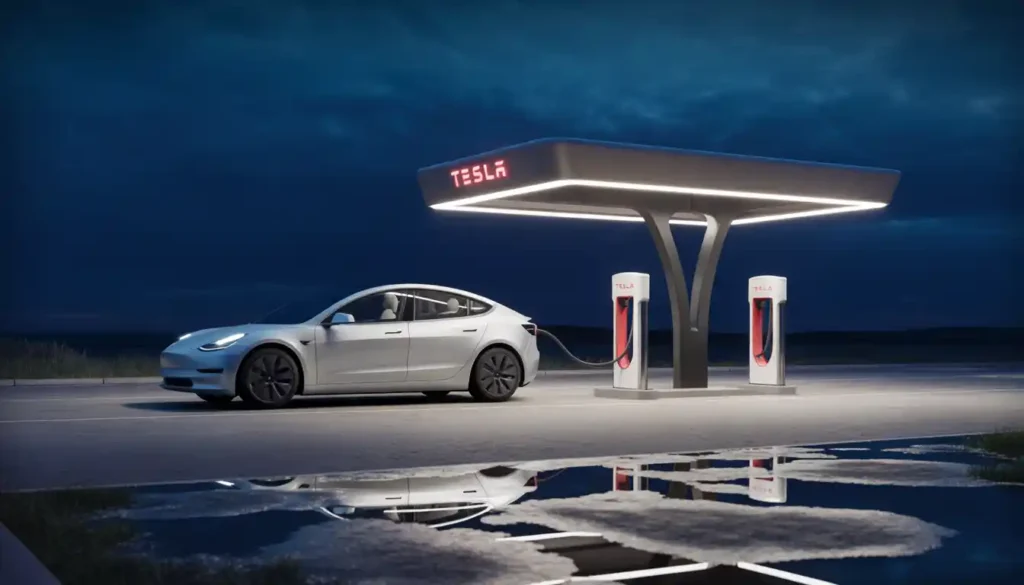
Charging is where Tesla still has a significant edge over most competitors. The Model 3 can accept up to 250 kW DC fast charging on Superchargers, while the standard caps at 225 kW.
In practice, a 10% to 90% charge on the Performance model takes about 39 minutes. At home with a Level 2 charger, you’re looking at roughly 44 miles added per hour on the Premium and Performance trims.
Tesla sells its own Wall Connector for $450 plus installation, and most owners consider it a worthwhile one time expense. You can find Tesla’s full Supercharger network map at Tesla.
How Does the Tesla Model 3 Handle Cold Weather?
Cold weather is a real factor with any EV. The Tesla Model 3 uses a heat pump on newer models to improve cold weather efficiency. Even so, expect a 20% to 30% range reduction in temperatures below freezing.
The app lets you warm the cabin and battery before you get in, so you start a cold weather drive with more available energy.
One Canadian owner who tested the Model 3 at negative 26 degrees Fahrenheit overnight found the thermal management system performed better than expected, with the cabin warming quickly and battery capacity recovering after heating.
Tesla Model 3 Specs: Key Numbers You Need to Know
The Model 3 sits on a 113.2-inch wheelbase and measures 185.8 inches long. Curb weight varies by trim, from 3,759 lbs on the Standard to 4,046 lbs on the Performance.
Ground clearance is 5.4 inches. The drag coefficient of Cd 0.219 makes it one of the most aerodynamically efficient production sedans on the market. Cargo space totals 21 cubic feet in the rear trunk plus a 3-cubic-foot front trunk.
Seating fits five adults across two rows. Towing is available on European models with a 2,000-pound rated hitch. Standard in North America includes NACS charging compatibility for Tesla’s Supercharger network.
Safety is a consistently strong point. The Tesla Model 3 earned a five-star rating in every category from NHTSA crash testing and scored 96% for adult occupant protection in Euro NCAP testing.
The updated 2025 ANCAP test showed improved scores across pedestrian safety and child occupant protection as well.
If you need more space, the Tesla Model Y offers a larger cabin and more cargo room. Read our complete Tesla Model Y 2026 buyers’ guide for full details.
Tesla Model 3 Interior: Minimalist Design, Real Trade offs
The Tesla Model 3 interior is built around a 15.4-inch center touchscreen. Nearly every function, from adjusting the mirrors to selecting drive mode, lies on that screen.
The screen responds fast, and menus are clean, but muscle memory takes a week or two to build when you’re coming from a car with physical controls.
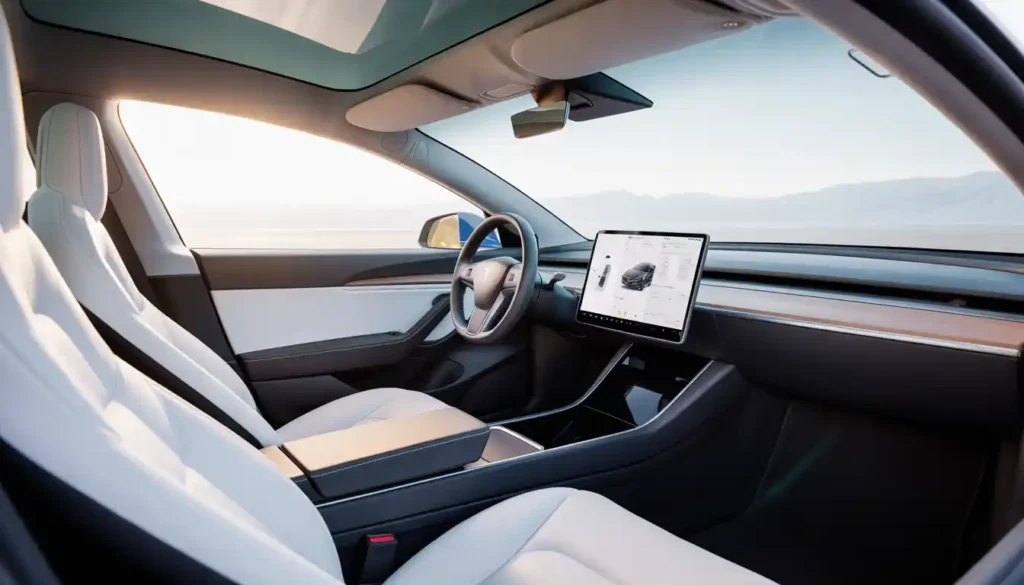
Tesla briefly removed turn signal stalks with the Highland refresh, faced pushback, and reinstated them for the 2026 model year globally. That was the right call.
Premium and Performance trims get an 8-inch rear passenger screen for climate control and entertainment. The front seats can be cooled down or warmed up to make you feel comfortable.
There’s no Apple CarPlay or Android Auto, which is a real gap compared to rivals like the Hyundai Ioniq 6. What you do get is Netflix, YouTube, Spotify, and arcade games natively.
The 17-speaker audio system in the premium trims sounds good. There’s enough space for your legs in the back seat, but if you’re very tall and traveling for a long time, it might feel a little tight.
Tesla Model 3 vs Hyundai Ioniq 6: Which Electric Sedan Wins?
This is the comparison that matters most right now. The Hyundai Ioniq 6 starts at $39,095 and is the Model 3’s strongest rival.
| Feature | Tesla Model 3 Premium RWD | Hyundai Ioniq 6 SE Long Range RWD |
| Starting Price | $44,130 | $39,095 |
| EPA Range | 363 miles | 342 miles |
| 0-60 mph | 4.9 sec | 7.4 sec |
| DC Fast Charge Rate | 250 kW | 350 kW (peak) |
| Apple CarPlay / Android Auto | No | Yes (wireless) |
| Charging Network | Tesla Supercharger (best in US) | Public CCS (less convenient) |
| Rear Passenger Screen | Yes (8-inch) | No |
| Over-the-Air Updates | Yes (frequent) | Limited |
| Federal Tax Credit Eligible | Check IRS guidelines | Yes ($7,500) |
The choice comes down to what matters more to you. Choose the Tesla Model 3 if you primarily charge at home, you take frequent road trips and rely on fast charging infrastructure, and you want the quicker, more engaging drive.
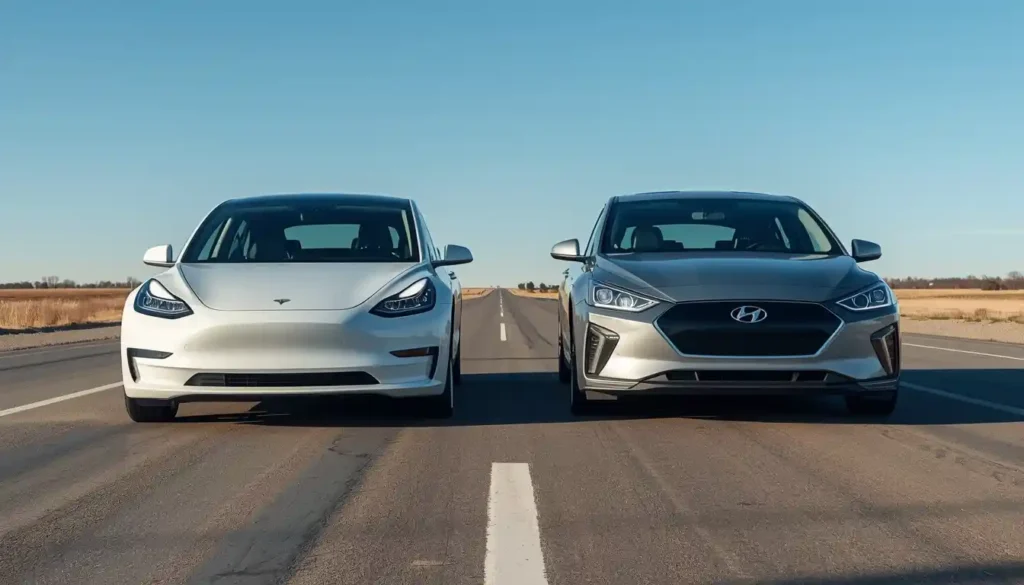
Choose the Hyundai Ioniq 6 if you want Apple CarPlay or Android Auto, you want a lower entry price, or you want to maximize the federal tax credit savings.
The Ioniq 6 peaks higher on paper, but Tesla’s Supercharger network is far more consistent and widespread across the US, so road trips almost always go more smoothly in a Model 3.
Tesla Model 3 Total Cost of Ownership Over 5 Years
Here’s what the numbers actually look like over five years for a base Tesla Model 3 driven 12,000 miles per year:
The Model 3 Charging Costs by State
Home charging is where you’ll save the most. The Model 3 consumes roughly 25 kWh per 100 miles. Electricity rates vary significantly by state. Here’s what annual charging costs look like across different regions:
| State | Avg. Rate (per kWh) | Annual Cost (12,000 miles) | 5-Year Total |
| Louisiana (cheapest) | $0.09 | ~$270 | ~$1,350 |
| National Average | $0.15 | ~$450 | ~$2,250 |
| California | $0.25 | ~$750 | ~$3,750 |
| Hawaii (most expensive) | $0.38 | ~$1,140 | ~$5,700 |
You can verify current electricity rates in your state through the U.S. Energy Information Administration. If you rely heavily on Superchargers, costs jump to $0.35 to $0.50 per kWh, which narrows the gap with gas. The sweet spot is home charging for daily use and Superchargers only on road trips.
Tesla Model 3 Insurance Costs
Tesla Model 3 insurance is one of the higher ownership costs. Full coverage typically runs $2,000 to $3,500 per year, depending on your state, age, and driving history. That’s $12,000 to $17,500 over five years.
The reason is simple: aluminum panels, specialized sensors, and limited certified repair shops push repair bills up. Shop around. State Farm and USAA consistently offer better rates for clean record drivers than many other carriers.
The Model 3 Depreciation
Depreciation is the single biggest ownership expense. The Tesla Model 3 loses roughly 39% to 55% of its value over five years, which is in line with the broader EV market.
If you’re buying to minimize financial loss, a two to three year old used Tesla Model 3 is the smarter move. Most of the steep early depreciation has already happened on those vehicles.
The Model 3 Maintenance Costs
This is where the Model 3 genuinely wins compared to a gas car. Annual maintenance typically runs $250 to $500. No oil changes, no spark plugs, no transmission fluid. The main recurring expense is tires.
EVs are heavy and produce instant torque, so the Model 3 can eat through a set of tires every 25,000 to 40,000 miles. A full set runs $900 to $1,600 installed, depending on trim and wheel size. Over five years, total maintenance costs range from $1,200 to $2,500.
5-Year Total Cost of Ownership Summary
| Cost Category | 5-Year Estimate |
| Purchase Price (base) | $36,990 to $44,130 |
| Charging (home) | $2,100 to $2,650 |
| Insurance | $12,000 to $17,500 |
| Depreciation | $15,000 to $24,500 |
| Maintenance and Tires | $1,200 to $2,500 |
| Total 5-Year Cost | $67,000 to $91,000 |
Buying a Used Tesla Model 3: What to Check Before You Buy
The used Tesla Model 3 market is strong. You can find 2021 standard-range models with 100,000 miles for around $14,000 to $16,000.
A YouTuber recently documented buying one at $14,300 with 107,000 miles and getting it road ready for under $60 in parts. The battery showed healthy diagnostics, the interior held up well, and the main issues were cosmetic.
Here’s what to check when buying a used Tesla Model 3: pull the battery health report through the diagnostics screen, check for any open recalls on the NHTSA recalls database, inspect the tires and brake pads, look for curb rash on the wheels, and test the Autopilot and automatic emergency braking in a safe area.
One documented Model 3 Standard Plus reached over 378,000 miles with its original battery still in good health. That single data point tells you everything you need to know about long term battery reliability.
Tesla Model 3 vs Model Y: Which One Should You Buy?
The Tesla Model Y starts at $41,630 and shares most of its technology with the Model 3. The Y is taller, offers more cargo space, has optional third-row seating, and rides higher.
The Model 3 is lower, more aerodynamic, returns better range, and feels more engaging to drive. If you have a family or regularly haul gear, the Model Y makes more practical sense.
If you’re looking for an athletic driving experience without requiring extra room, the Model 3 is the stronger pick.
On top of that, the difference in cost between base trim level vehicles has now shrunk to less than $5K, meaning that your choice primarily comes down to which vehicle fits your lifestyle preferences more appropriately.
Tesla Autopilot and Full Self-Driving: What’s Actually Included
Every Tesla Model 3 comes standard with Autopilot, which includes lane centering and adaptive cruise control. The Standard trim’s Autopilot skips automatic lane changes; every other trim includes it.

Full Self-Driving, branded as FSD Supervised, runs $99 per month as a subscription or is available as a one time purchase. It adds automatic lane changes, navigation on autopilot, traffic light and stop sign control, and autoparking.
FSD is a Level 2 system. Hands on the wheel, eyes on the road, every time.
Tesla is in the process of phasing out the Full Self Driving branding after legal and regulatory pressure. Until Level 3 autonomy is certified and available, treat Autopilot as a helpful driving aid, not a chauffeur.
Tesla Model 3 Common Problems: What Owners Actually Report
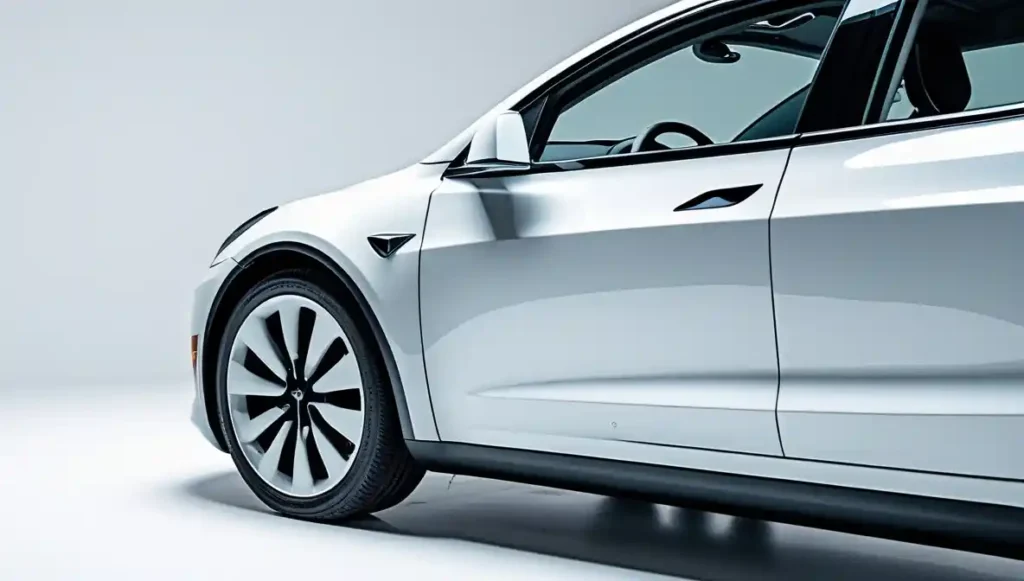
Build quality is noticeably better now than the 2018 to 2019 production runs. Current common complaints focus on a few areas: panel gaps and paint imperfections on delivery day, brake squeal in certain conditions, and early tire wear from the car’s torque and weight.
The TUV reliability test in Germany ranked the Model 3 last among newer cars in 2024, partly because Tesla skips traditional service intervals, which can result in minor issues going unnoticed longer than on conventionally maintained cars.
Recalls have been frequent, but the vast majority are resolved remotely through over the air software updates. Tesla’s ability to push fixes directly to the car is one of the genuinely useful differentiators it has over traditional automakers.
When Consumer Reports flagged emergency braking performance in 2018, Tesla sent an update over a weekend that resolved the issue and earned the recommendation back.
Is the Tesla Model 3 Worth Buying in 2026?
The Tesla Model 3 delivers 363 miles of range, charges through the best network in the US, and costs less to maintain than any gas car at this price.
Car and Driver rates it 10/10 and ranks it first among electric sedans. The main reasons to look elsewhere are you want Apple CarPlay or Android Auto, you want a larger vehicle, or you’re put off by the touchscreen heavy interface.
If you’re buying new, the Premium RWD at $44,130 hits the best balance of range, features, and value. If you’re budget conscious, a 2020 or 2021 Tesla Model 3 with 60,000 to 80,000 miles is one of the smartest used car purchases in the current market.
The battery holds up better than most buyers expect. The savings are substantial. Full Supercharger access, regular OTA updates, and maintenance costs that stay low past 100,000 miles. That package at $14,000 to $16,000 used is hard to argue against.
Frequently Asked Questions About the Tesla Model 3
Q: How much does the Tesla Model 3 cost in 2026?
A: The 2026 Tesla Model 3 starts at $36,990 for the Standard RWD. The Premium RWD is $44,130, the Premium AWD is $49,130, and the Performance AWD tops the lineup at $56,630. Prices may change, so always confirm at tesla.com/model3 before ordering.
Q: What is the real world range of the Tesla Model 3 Long Range?
A: The Tesla Model 3 Long Range RWD is EPA rated at 363 miles. In real-world highway testing at 75 mph, Car and Driver recorded 310 miles. Cold weather can reduce range by 20% to 30%. For most daily use and road trips, 310 to 363 miles is more than enough.
Q: Does the Tesla Model 3 qualify for the federal EV tax credit?
A: Eligibility for the federal EV tax credit of up to $7,500 depends on your income, whether you’re leasing or buying, and current IRS guidelines.
Check the IRS Clean Vehicle Credit page for the most current information, as these rules have changed multiple times in recent years.
Q: How long is the lifespan of a Tesla Model 3’s battery?
A: Tesla guarantees its Standard Range and Long Range batteries for eight years or 100,000 miles.
Evidence from real world tests shows that Tesla’s batteries degrade gradually over time, with some owners reporting that their batteries are still healthy after 200,000 miles of use.
Q: What are the common issues with Tesla Model 3 vehicles?
A: The two most common issues reported by Tesla Model 3 owners are panel gaps when the vehicle is delivered, brake squeal, accelerated tire wear, and phantom braking with older versions of Autopilot.
Most problems related to software have been fixed via over the air software updates. Since Highland refreshed versions started being made in late 2023, build quality has improved significantly.
Q: Is buying a second hand Tesla Model 3 worthwhile?
A: Typically, a Tesla Model 3 is an excellent investment, even with over 60,000 miles and up to 100,000 or more miles.
Before purchasing one, you should check the health of the battery, recall status via the National Highway Traffic Safety Administration (NHTSA) website, and tread depth; and finally, get an idea of how it drives by taking it for an Autopilot test drive.
Curb rash and minor scratches show up often on used Model 3s and cost little to fix. What you keep is full OTA update access, Supercharger network availability, and running costs that stay low regardless of mileage.
A 2020 to 2022 Model 3 has already taken the hardest depreciation hit while holding onto everything that makes the car worth owning.
Q: Tesla Model 3 vs Hyundai Ioniq 6: which is better?
A: The Tesla Model 3 is better for road trips, performance, and Supercharger convenience. The Hyundai Ioniq 6 is better if you want Apple CarPlay, Android Auto, a lower starting price, or the full federal tax credit.
For most American buyers who charge at home and travel frequently, the Model 3 wins on overall ownership experience. The Ioniq 6 wins on value if budget and smartphone integration are your top priorities.
