
Electric SUVs
Tesla Model Y vs Hyundai Ioniq 5: 90 Miles Farther
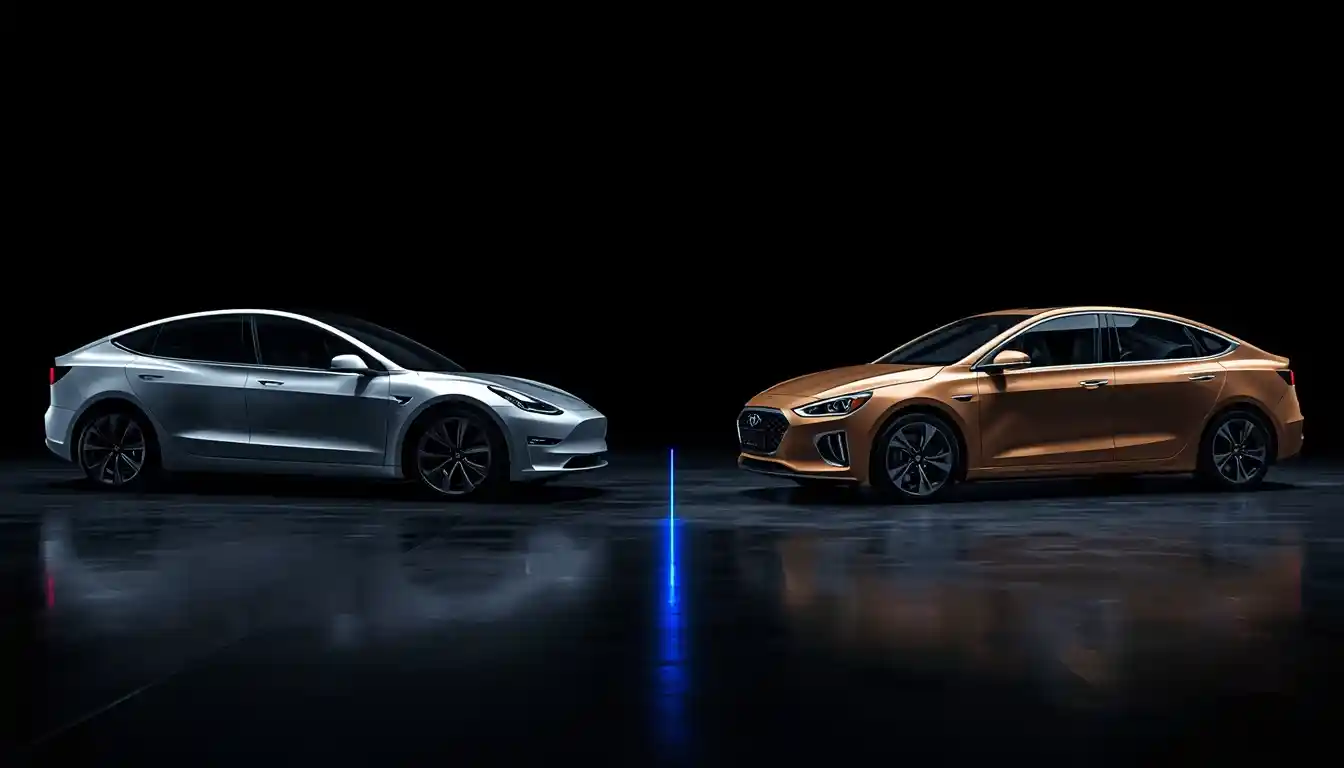
If you want complete Tesla Model Y vs. Hyundai Ioniq 5 information before writing a check for $40,000 or more, you’re in the right place. I’ve gone through test data from Car and Driver, MotorTrend, Edmunds, and Kelley Blue Book so you don’t have to sit through hours of video reviews.
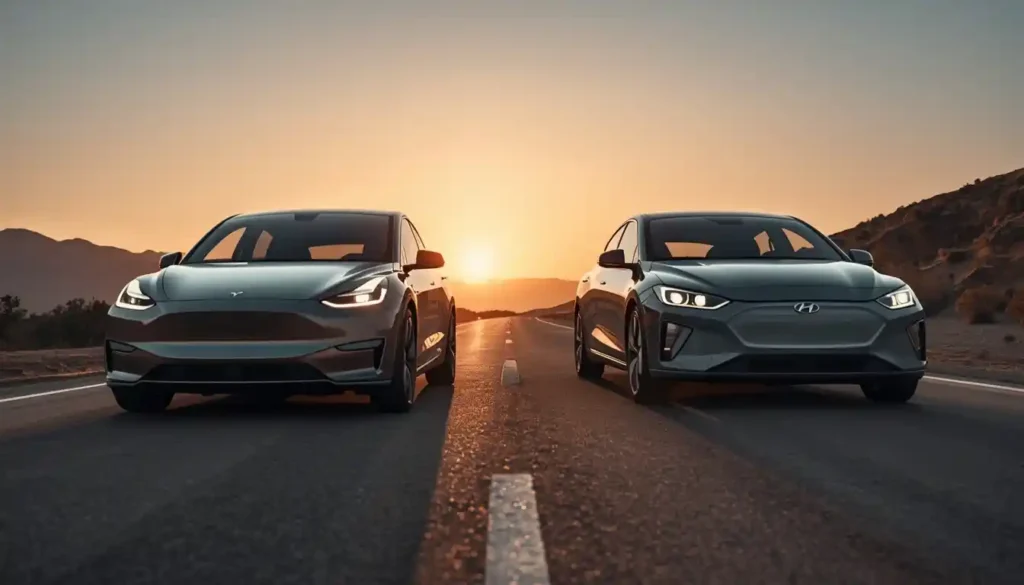
This guide covers real-world range, charging speed, price breakdowns, interior feel, safety ratings, and a straight answer on which car fits which buyer in 2026. By the time you reach the bottom, you’ll know exactly which one belongs in your driveway.
Tesla Model Y vs Hyundai Ioniq 5: What’s New in 2026
The 2026 Tesla Model Y arrives in Standard, Premium, and Long Range AWD trims following the Juniper refresh. It still leads the segment on EPA range numbers and highway efficiency.
The 2026 Hyundai Ioniq 5 shows up with a built-in NACS port for direct Supercharger access, wireless Apple CarPlay and Android Auto as standard equipment, and price cuts of up to $9,800 across the lineup.
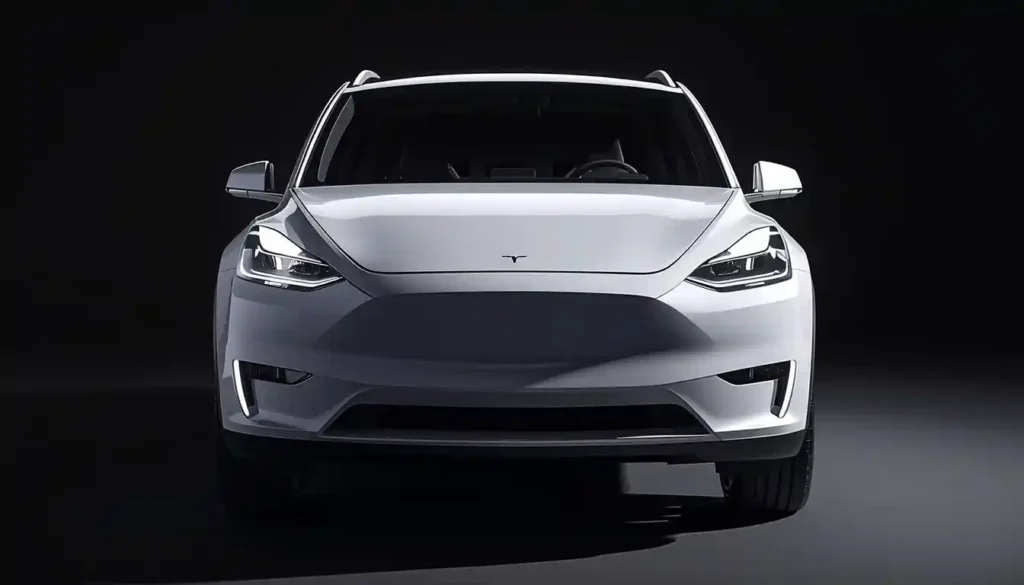
Both cars are actually better than their previous versions. The gap between them is the narrowest it has ever been, and that changes the whole conversation.
2026 Price: Model Y vs Ioniq 5 Who Wins on Value?
The pricing story has shifted more than any other area this year. The Ioniq 5 SE Standard Range RWD starts at $36,600. The well-loaded SEL RWD lands at roughly $41,400. Set that against the Model Y Standard at $41,630 and the Premium RWD at $46,380.
Here’s where it gets interesting. Edmunds put the Model Y Standard against the Ioniq 5 SEL RWD at nearly the same price. The Model Y Standard now comes with fabric seats, no rear touchscreen, manual folding mirrors, and no Autosteer unless you pay $8,000 for Full Self-Driving.
The Ioniq 5 SEL at the same price includes faux leather, heated rear seats, NACS charging built-in, and Highway Driving Assist 2 at no extra charge. That’s a real value gap at the same sticker price.
Warranty coverage tells a similar story. Hyundai offers a 5-year or 60,000-mile bumper-to-bumper and a 10-year or 100,000-mile powertrain warranty. Tesla gives you 4 years or 50,000 miles of bumper-to-bumper warranty and 8 years on the battery and drive unit.
According to Kelley Blue Book’s 2026 comparison, Hyundai also runs far more service locations across the country, which matters the moment something needs fixing.
Tesla Model Y vs Hyundai Ioniq 5 Real-World Range
EPA figures give you a starting point. What actually happens on the highway at speed tells you whether that range holds up in daily life. Here’s what I found from the 2026 test data.
EPA Range by Trim
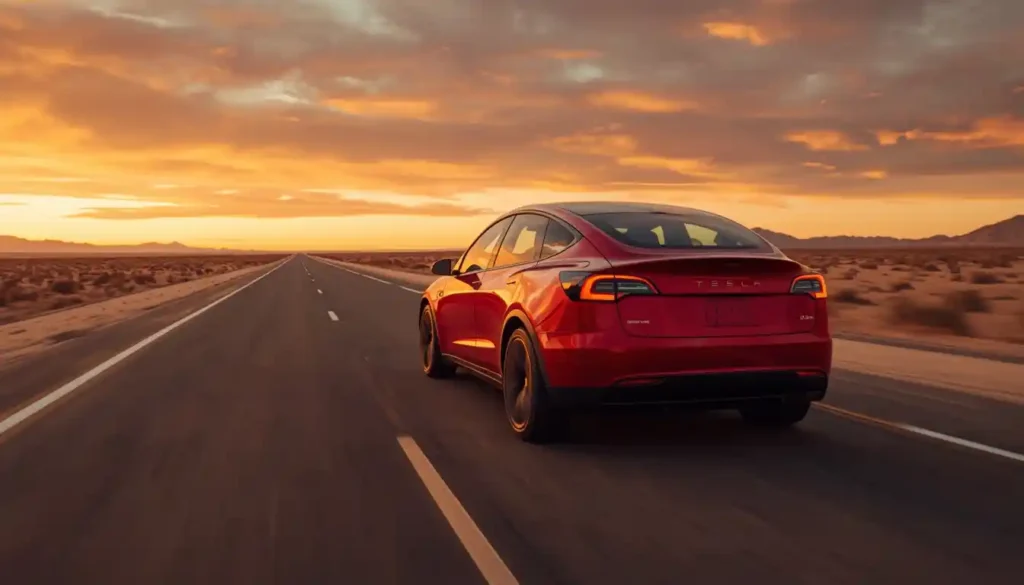
The 2026 Model Y Premium RWD claims 357 miles EPA. The Ioniq 5 Limited AWD comes in at 269 miles, while the Limited RWD reaches 318 miles. On paper, the Model Y leads clearly, especially in any AWD comparison.
Highway Range Test Results (75 mph)
Car and Driver’s 75-mph highway range test shows a more realistic picture. The Model Y Premium RWD covered 270 miles. The Ioniq 5 AWD variants came in between 200 and 210 miles.
MotorTrend’s 70-mph road trip test showed the Model Y at 252 miles versus the Ioniq 5 AWD at 234 miles. That’s a much smaller gap than the EPA window sticker suggests.
Cold Weather Range: How Both Cars Handle Winter
Both cars take a hit in winter. Consumer Reports testing showed the Model Y Long Range returning roughly 186 miles in cold highway conditions. The Ioniq 5 returned around 183 miles under similar conditions.
Neither car holds a real edge in freezing temperatures, so if you live somewhere cold, range stops being the deciding factor in this electric SUV comparison.
Charging Speed Comparison: Ioniq 5 vs Model Y 2026
This is the area that surprises most people who haven’t looked at fresh data. The Ioniq 5 uses an 800-volt architecture that accepts up to 350 kW from compatible chargers.
In Car and Driver testing, it completed a 10-to-90-percent charge in 30 minutes at a 141 kW average. The 2026 Model Y, despite a claimed 250 kW peak rate, finished the same test in 44 minutes at only an 85 kW average. That’s a 14-minute difference on a single stop.
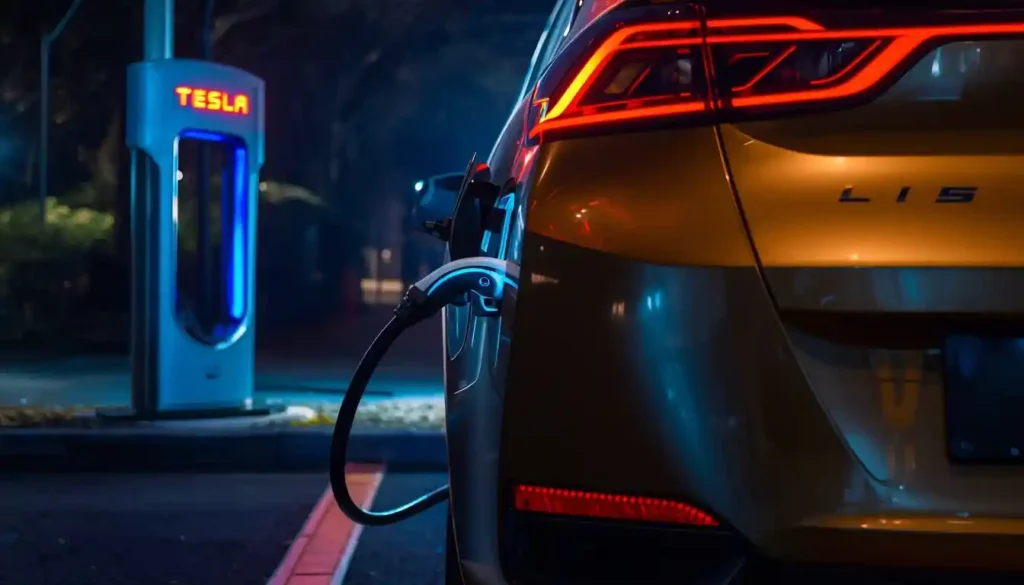
Edmunds tested both on a DC fast charger and found the Ioniq 5 added 673 miles of range per hour versus 538 miles per hour for the Model Y. The Ioniq 5 goes from 10 to 80 percent in roughly 18 to 20 minutes on a 350 kW charger. The numbers don’t lie: the Ioniq 5 adds range faster, full stop.
The 2026 Ioniq 5 ships with a built-in NACS port, so it plugs directly into Tesla Superchargers without any adapter. According to Edmunds, about two-thirds of the Supercharger network now accepts non-Tesla vehicles.
The Supercharger network still leads in reliability and station density, but the Ioniq 5’s access has changed what this electric SUV comparison looks like.
Performance & 0–60 mph: Model Y vs Ioniq 5
The 2026 Model Y Long Range AWD clocked 3.8 seconds to 60 mph in MotorTrend testing. The Premium RWD takes 5.1 seconds. The Ioniq 5 Limited AWD ran 4.6 seconds in Car and Driver’s test.
Both feel quick in everyday driving. The AWD Model Y is the faster car outright. The Ioniq 5 AWD makes up some ground with 446 lb-ft of torque combined versus 389 lb-ft for the Model Y AWD, which gives it strong pull from a stop.
Handling character is where these two cars split most clearly. The Model Y AWD feels sporty and tight with quick steering and firm body control. The Ioniq 5 AWD feels planted and easy, built for long-distance comfort rather than driver feedback.
On skidpad lateral grip testing, they finish nearly identically at 0.87g for the Ioniq 5 versus 0.83 to 0.86g for the Model Y.
Interior Quality: Tesla Model Y vs Hyundai Ioniq 5
Interior quality splits buyers faster than any spec sheet. The 2026 Model Y Juniper update brought real upgrades: new faux suede materials, wood accents, ambient lighting, ventilated front seats, and power-folding rear seats.
Car and Driver noted the cabin now has a premium feel it never had before. What didn’t change is that nearly everything runs through a single 15.4-inch touchscreen. Gear changes, vent adjustments, mirror folding some people adapt quickly. Others find it frustrating every single day they own the car.
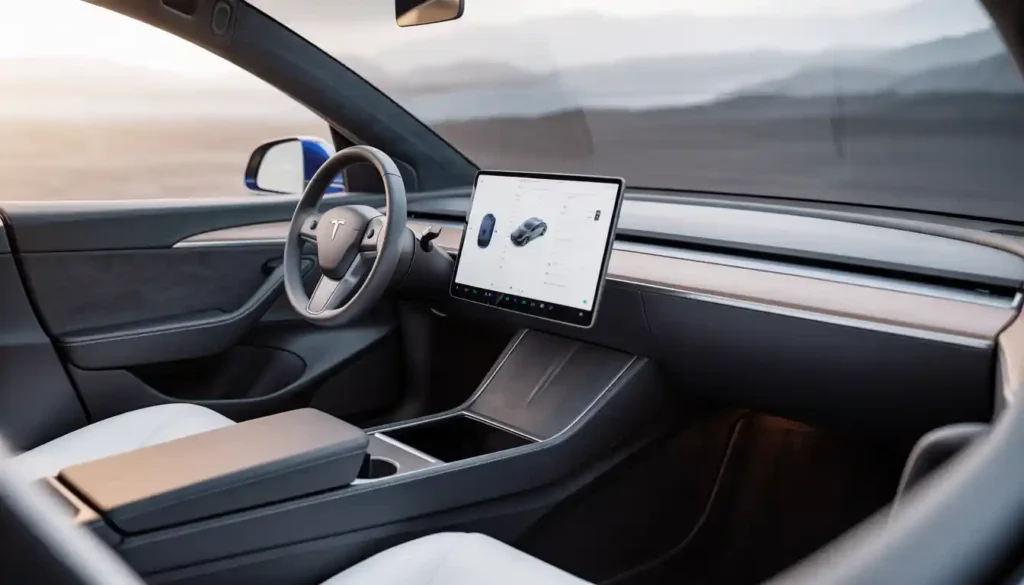
The Ioniq 5 takes a different path. A 12.3-inch driver display sits right behind the steering wheel, showing speed without requiring you to look sideways at a screen. Physical buttons handle climate control.
The 2026 update adds wireless Apple CarPlay and Android Auto as standard, something the Model Y still doesn’t offer on any trim. MotorTrend called the Ioniq 5 cabin the “10-year car” because it’s the kind of interior you won’t grow tired of over time.
One detail that matters more than it sounds: the Ioniq 5 has a sunshade for the glass roof. The Model Y still lacks one despite multiple reviewers flagging it as a real problem on hot, sunny days.
Cargo Space and Size Comparison
The Model Y measures 188.6 inches long and 75.6 inches wide. The Ioniq 5 comes in at 183.3 inches long and 74.4 inches wide.
The Ioniq 5 actually has a longer wheelbase at 118.1 inches versus 113.8 for the Model Y, which gives rear passengers noticeably more legroom despite the shorter overall length.
In cargo space, the Model Y wins clearly. Behind the rear seats, you get 29 cubic feet in the Model Y versus 26 in the Ioniq 5. Total with seats folded comes to 71 cubic feet versus 59.
The Model Y also carries a 4-cubic-foot frunk. The Ioniq 5 frunk holds just 1 cubic foot. The Model Y AWD can tow up to 3,500 pounds. The Ioniq 5 AWD carries no official tow rating.
Safety Ratings: Tesla Model Y vs Hyundai Ioniq 5
Both cars earn top marks from the major testing bodies. The 2026 Tesla Model Y holds a 5-star NHTSA overall rating, with 5 stars in rollover resistance and frontal crash.
The Hyundai Ioniq 5 earned IIHS Top Safety Pick+ status, the highest award available, which requires strong headlight performance on top of structural crash ratings.
On driver assistance, Tesla’s Full Self-Driving system is the most capable hands-on-wheel level 2 setup you can buy today. But it costs $8,000 extra and requires constant supervision.
Real-world testing showed it occasionally missed speed bumps and misread driveways as roads.
Hyundai’s Highway Driving Assist 2 is more predictable and comes standard on most trims, even if it’s less flashy in demos. Both cars include adaptive cruise control and emergency braking at no extra charge.
Reliability and Long-Term Ownership Costs
Tesla historically draws more build quality complaints than Hyundai. Consumer Reports flagged Tesla repeatedly for body hardware, paint, trim fit, and climate system issues.
Things have improved with newer production years, and CR now recommends both cars. The Ioniq 5 regularly earns better perceived build quality marks in press evaluations: tighter panel gaps, better-feeling materials, and fewer owner complaints about fit and finish.
Hyundai’s stronger warranty signals more confidence in long-term durability. It also matters in practice: Hyundai runs over four times as many service locations as Tesla, so getting a repair handled is far more convenient in most parts of the country.
Tesla Model Y or Hyundai Ioniq 5 Which Should You Buy?
After going through all the Tesla Model Y vs Hyundai Ioniq 5 information for 2026, here’s my honest take: there’s no single winner for every buyer. Your driving habits make this call.
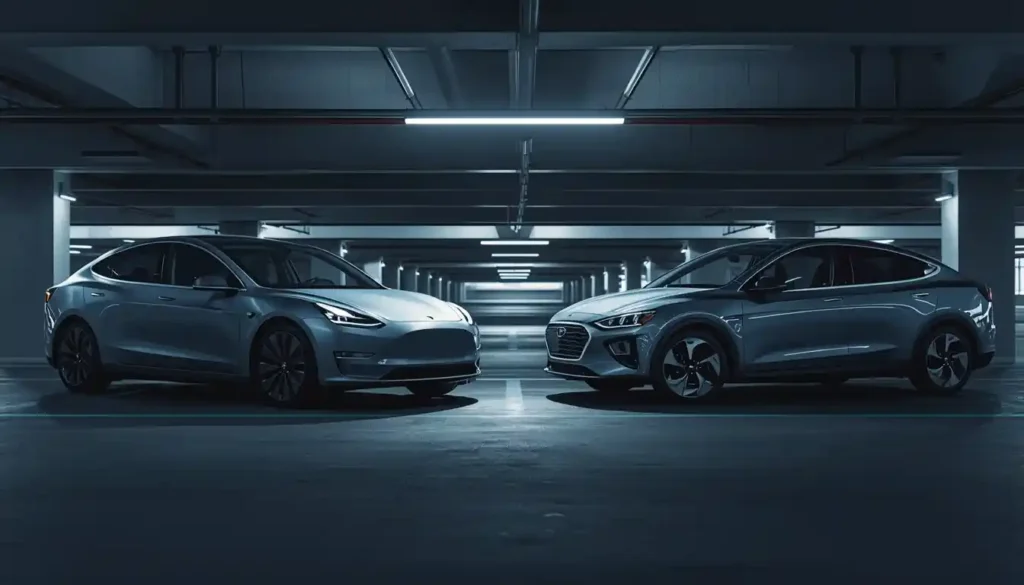
Buy the 2026 Tesla Model Y If:
You do frequent long road trips and need maximum range per charge. The Model Y’s 357-mile EPA rating and 270-mile real-world highway result lead the class.- You want the highest cargo capacity and available towing.
- You’re comfortable with a touchscreen-first interface and want to stay inside the Tesla ecosystem.
- You want the quickest AWD acceleration in the segment.
Buy the 2026 Hyundai Ioniq 5 If:
You want better value at the same price point, especially the SEL trim, compared to the Model Y Standard.- You prefer physical controls, a proper driver display, and wireless CarPlay as standard.
- Fast DC charging per minute matters to you; the Ioniq 5 adds range 25 percent faster at each stop.
- You want a more comfortable daily ride and a longer warranty.
- Long-term ownership cost and peace of mind drive your buying decision.
Frequently Asked Questions
Q: Does the 2026 Hyundai Ioniq 5 work at Tesla Superchargers?
A: Yes. The 2026 Ioniq 5 ships with a built-in NACS port for direct Supercharger access. No adapter needed. About two-thirds of the Supercharger network now accepts non-Tesla vehicles as of 2026.
Q: Which has better real-world range, the Model Y or the Ioniq 5?
A: Car and Driver ran both cars at 75 mph, and the Model Y Premium RWD covered 270 miles. The Ioniq 5 AWD came in somewhere between 200 and 210 miles.
That’s a 60-mile difference on the highway, not something you ignore on a long drive. The RWD Ioniq 5 closes that gap a bit, but the Model Y still comes out ahead on range, no matter how you slice it.
Q: Which charges faster, the Tesla Model Y or the Hyundai Ioniq 5?
A: The Ioniq 5 charges faster. It completed a 10-to-90-percent charge in 30 minutes versus 44 minutes for the Model Y in Car and Driver testing. The Ioniq 5’s 800-volt architecture gives it a clear advantage on DC fast chargers.
Q: Is the Hyundai Ioniq 5 more reliable than the Tesla Model Y?
A: If reliability matters to you, the Ioniq 5 has a better track record. Consumer Reports has flagged Tesla repeatedly over the years for build quality issues, and the Ioniq 5 scores better on that front.
The warranty gap is pretty telling, too. Hyundai backs the Ioniq 5 with 5 years or 60,000 miles bumper-to-bumper and a full 10 years or 100,000 miles on the powertrain.
Tesla gives you 4 years or 50,000 miles comprehensive and 8 years on the battery. That’s not a small difference when something goes wrong at year six.
Q: What is the price difference between the 2026 Model Y and 2026 Ioniq 5?
A: The Ioniq 5 SE starts at $36,600, while the Model Y Standard starts at $41,630. At the $41,400 price point, the Ioniq 5 SEL RWD and Model Y Standard are nearly identical in price, making the Ioniq 5 the clear value winner at that trim level, given its included features.
Q: Which is safer, the Tesla Model Y or the Hyundai Ioniq 5?
A: Safety is one area where neither car will let you down. The Model Y holds a 5-star NHTSA overall rating covering frontal crash, side impact, and rollover.
The Ioniq 5 earned IIHS Top Safety Pick+, which requires strong headlight performance on top of structural crash scores. Both cars are well protected. Which rating impresses you more just comes down to whether you follow NHTSA or IIHS.
Final Verdict: 2026 Model Y vs Ioniq 5
MotorTrend reversed its 2023 verdict and handed the Ioniq 5 the win in their 2025 rematch test. Car and Driver still gives the Model Y the edge on range and price-per-mile efficiency. Edmunds rates both identically at 8.4 out of 10.
Two years ago, the Model Y won almost every comparison on charging infrastructure alone. That advantage is gone.
The Ioniq 5 now charges at Superchargers natively, charges faster per minute on DC fast chargers, costs less at equivalent trims, and comes with a longer warranty.
The Model Y still wins on EPA range, total cargo volume, raw acceleration, and the smooth Tesla software experience. If range anxiety on long trips drives your decision, the Model Y is your car.
If you want better day-to-day value, faster charging stops, more straightforward controls, and a longer warranty, the Ioniq 5 is hard to beat at its new 2026 price. Test drive both. The driving personalities are different enough that your preference will likely make the final call for you.
