
Affordable Electric SUVs
Ford Explorer EV Review: Range, Price and Specs


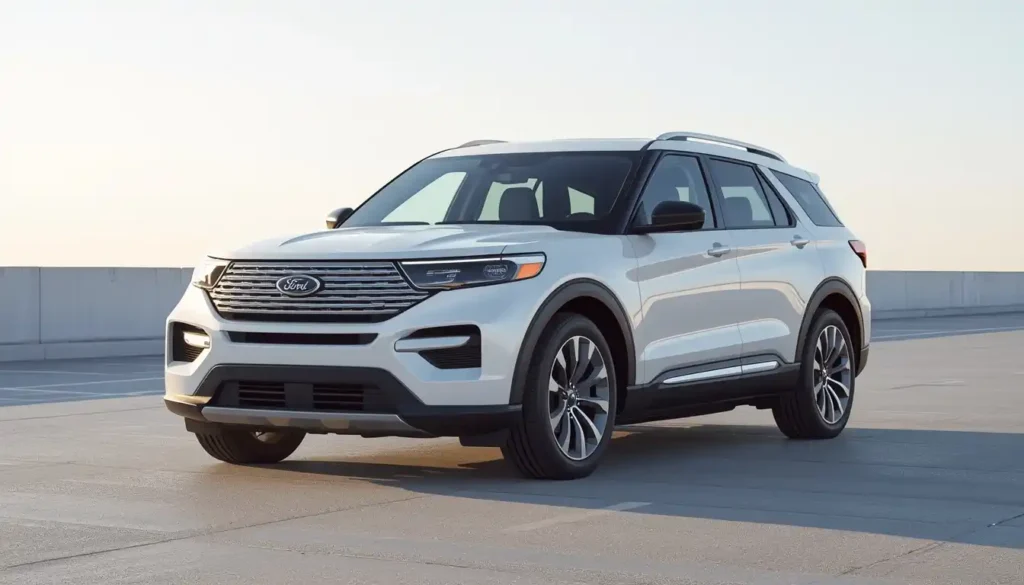
Ford Explorer EV 2026 isn’t trying to compete with Tesla on name recognition. It’s competing on numbers, and the numbers are good. A 374-mile WLTP range puts the Ford Explorer EV near the top of its class.
About 26 to 28 minutes from 10 to 80 percent on a DC fast charger. A boxy, practical interior built for European roads and family use. This 2026 Ford Explorer EV review covers every trim, the full specs, real charging data, and whether it makes sense over the VW ID.4 or the Volkswagen ID.7.
What’s New for the Ford Explorer EV (November 2026 Update)
Ford made the Explorer a much better deal in the UK this year. Here’s what changed.
- In April 2026, Ford cut Explorer prices by around £5,000, a week after adding equipment and range.
- The Standard Range battery was upgraded, adding about 43 miles of range.
- The Explorer now also qualifies for the £1,500 Electric Car Grant, bringing the starting price down to £33,685.
- In Germany, a €5,000 Ford bonus brings the 52 kWh Explorer down to €34,900, before any state subsidy.
- Be aware that big price cuts can hurt resale values on older Explorers.
What Is the Ford Explorer EV?
The Ford Explorer EV is a compact electric crossover SUV produced exclusively for Europe. Ford built it in partnership with Volkswagen Group on the proven MEB platform, the same underpinning used in the VW ID.4.
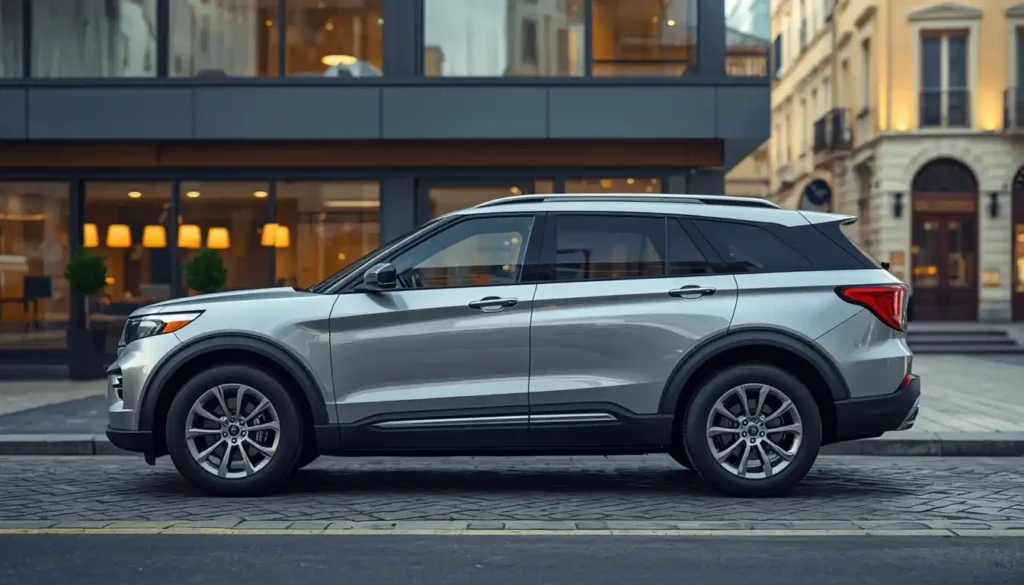
Skoda Enyaq, and Audi Q4 e-tron. Production started in June 2024 at the Ford Cologne Electric Vehicle Center in Germany.
This model is not the American Explorer. The US version remains a large, petrol powered seven seater.
The Ford Explorer electric SUV, designed for Europe, is a C segment crossover measuring 4.46 meters in length, sitting between the VW ID.3 and ID.4 in size. Ford deliberately picked that dimension to avoid direct competition with both Volkswagen siblings while carving out space in the mid size segment.
The all electric Explorer targets families and professionals who want solid range, fast charging, an engaging drive, and a recognizable brand. It competes directly against the Tesla Model Y, Volkswagen ID.4, Hyundai Ioniq 5, Kia EV6, and Renault Scenic.
Ford Explorer EV Specs: Powertrain and Battery Options
The Ford Explorer EV comes in three powertrain configurations, each targeting a different buyer profile.

Standard Range RWD
The base model uses a 52 kWh usable battery producing 170 PS and delivers a WLTP range of 239 miles. It supports 145 kW DC fast charging and hits 62 mph in 8.7 seconds.
This suits city drivers with regular home charging access who rarely exceed 150 miles in a single day.
Extended Range RWD: The Best Choice
Ford didn’t just carry the Explorer EV into 2026 unchanged. Standard Range models now run a lithium-iron-phosphate battery, the rear motor got bumped to 188 hp with 258 lb-ft of torque, and bidirectional charging finally made it in through the Pro Power Onboard outlet in the boot. One-pedal drive, previously an option, now comes standard on every trim.
Here’s what I discovered after reviewing dozens of owner reports and professional tests: The Extended Range RWD is where the Ford Explorer EV becomes genuinely compelling.
A 77 kWh usable battery feeds a 282 bhp rear motor with an official WLTP range of 374 miles. Real world mixed driving returns 280 to 315 miles consistently.
Cold winter motorway driving with full heating cuts that further, so plan on roughly 200 to 230 miles on long winter runs. Charging tops out at 135 kW DC, and a 10% to 80% top up takes approximately 28 minutes.
Extended Range AWD
The AWD variant adds a second motor for 335 bhp combined output and 0-62 mph in 5.3 seconds, faster than a Ford Focus ST. A marginally larger 79 kWh usable battery gives an official 329 mile range.
This version gains 185 kW DC fast charging, bringing the 10% to 80% charge time down to 26 minutes. Towing capacity reaches 1,400 kg. The AWD version is exclusively available in Premium trim.
Ford Explorer EV Range: Real Numbers That Actually Matter
Most articles that compare cars usually only mention the WLTP numbers. Owners also find its range estimate more accurate than most.

Summer Driving
In warm conditions with mixed driving, the Extended Range RWD model returns approximately 4.1 miles per kWh, translating to around 315 real world miles.
On motorways specifically, efficiency drops to roughly 2.9 miles per kWh, giving approximately 220 miles of pure motorway range.
Winter Motorway Range
This matters enormously for UK and Northern European buyers.
Mixed winter driving that includes town roads lands higher than pure motorway runs, which is why owner figures vary so much.
A heat pump helps, so it’s worth adding if you drive long distances in winter.
Ford Explorer EV Price and Trim Levels: Which Should You Buy?
Understanding the pricing structure saves you from either overspending or missing features you’ll actually use daily.
For AWD and full Premium trim, step up to the base Explorer EV range-topper.
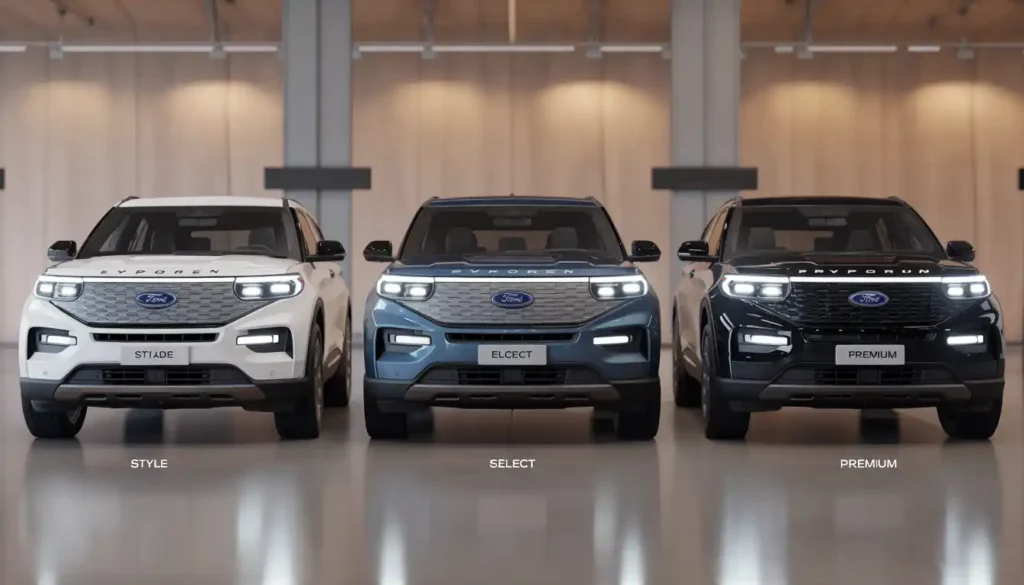
Ford Explorer EV Style Trim
Style starts from approximately £35,285 in the UK and is only available with the 52 kWh Standard Range battery. It includes 19-inch alloys, LED headlights, dual zone climate control, and adaptive cruise control. Good for urban drivers. Limited for long distance use.
Select Trim: Recommended for Most Buyers
The Select trim with the Extended Range battery gets the 374-mile WLTP figure and adds heated front seats, a massaging driver’s seat, a heated steering wheel, keyless start, and wireless phone charging.
Pricing sits around £45,000 in the UK. In my experience, this trim represents genuine value in the all electric Ford Explorer range. You get everything a family actually uses without paying for features they won’t touch. This is the Ford compact SUV sweet spot.
Premium Trim
Premium is the only way to access the AWD configuration of this electric SUV. It adds a panoramic glass roof, powered tailgate, matrix LED headlights, 20 inch alloys, ambient lighting, and the B&O 10 speaker audio system.
The AWD Premium costs around £53,985. If you really need all four wheels to turn and help you drive, then it’s worth the price. But if you don’t need that, then choosing the Select version is a better choice for your money.
One important note for any trim: budget an extra £1,050 for the optional heat pump. It genuinely improves winter range and cabin heating efficiency. For UK buyers especially, I consider it near essential.
Ford Explorer EV Select vs Premium: Which Extended Range Trim Should You Buy?
I get this question more than any other about the Explorer EV, so here’s the side-by-side I’d want in front of me before signing anything in 2026.
| Spec | Select Extended Range | Premium Extended Range AWD |
|---|---|---|
| Battery (usable) | 77 kWh | 79 kWh |
| Drive | Rear motor, RWD | Dual motor, AWD |
| WLTP range | 374 miles | 329 miles |
| UK price (approx.) | £45,000 | £53,985 |
| Extras | Heated front seats, massaging driver’s seat, heated wheel | Adds glass roof, matrix LED lights, 20-inch wheels, B&O audio |
The Select Extended Range is the one I’d buy. It has the longest range in the lineup, and its comfort kit covers most of what you’ll use every day.
The Premium Extended Range AWD costs about £9,000 more and gives up 45 miles of official range. What you get back is a second motor, all-wheel drive and a more upmarket cabin.
My rule is easy. If you live with snowy winters, tow often or park on a steep gravel drive, the Premium AWD earns its price. If your miles are mostly roads and motorways, the Select gives you more range for less money.
Ford Explorer EV Interior: Smarter Than the VW It’s Based On
The interior of this electric Ford Explorer is one of the strongest arguments for choosing it over the Volkswagen ID.4. Ford’s designers made distinctly different choices, and most of them work well in practice.
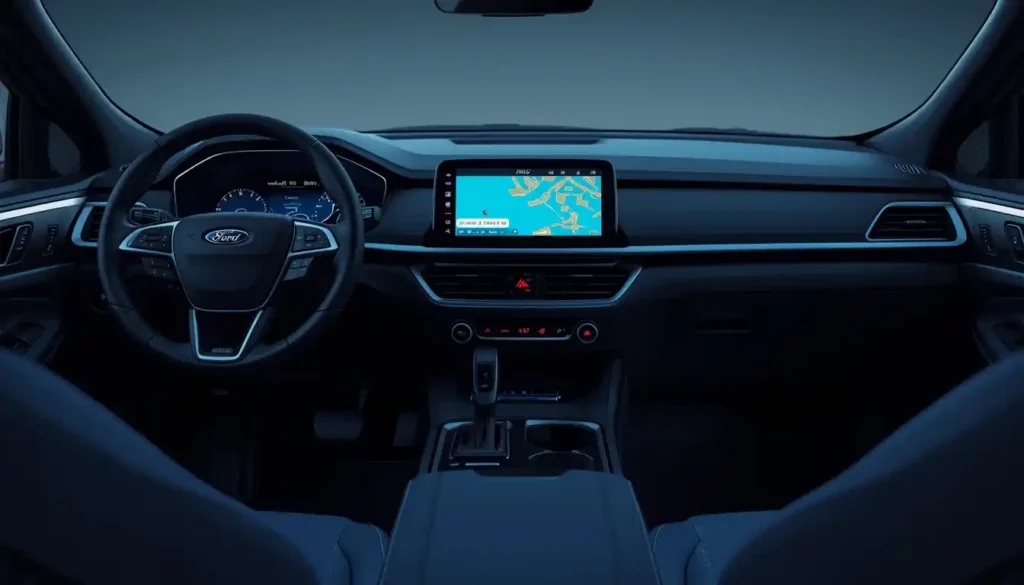
The SYNC Move Touchscreen
A 14.6-inch portrait touchscreen running Ford’s SYNC Move software dominates the center console. It tilts through a 30 degree arc in 20 stages, letting you adjust the viewing angle and reduce glare.
When you park and exit, the screen locks forward to conceal a hidden storage compartment underneath that locks with the car. Climate controls remain permanently visible at the bottom of the screen, addressing the most common touchscreen frustration.
Wireless Apple CarPlay and Android Auto come standard on all trims, as detailed on Ford’s official UK page.
Ford Explorer EV Space and Storage
The MegaConsole center console offers 17 liters of storage, deep enough for a 15-inch laptop and multiple bottles. Boot space with all seats up reaches 470 liters, which trails the VW ID.4 (543 liters) and Renault Scenic (545 liters).
Rear seats fold 60/40, and a completely flat floor benefits rear center passengers. The upright roofline delivers genuinely good rear headroom, and two six footers sit comfortably. The car has no front trunk, which feels like a missed practical opportunity.
Ford Explorer EV vs Rivals: Complete Comparison
Here’s what I discovered when comparing the ford explorer electric against its four main competitors in areas that matter for real buyers.
| Ford Explorer EV | VW ID.4 | Kia EV6 | Tesla Model Y | Renault Scenic | |
| Official Range | 374 miles | 339 miles | 361 miles | 331 miles | 379 miles |
| Boot Space | 470 L | 543 L | 490 L | 854 L | 545 L |
| Fast Charging | 135 kW RWD | 135 kW | 240 kW | 250 kW | 150 kW |
| 0-62 mph best | 5.3 sec | 5.4 sec | 3.5 sec | 4.6 sec | 8.4 sec |
| Vehicle Warranty | 3 years | 3 years | 7 years | 4 years | 3 years |
| UK Start Price | ~£35,285 | ~£38,000 | ~£40,695 | ~£42,990 | ~£33,995 |
The Explorer’s range advantage over the ID.4 is real and meaningful for long distance drivers. The Kia EV6 wins on charging speed and warranty length. The Tesla Model Y dominates on boot space.
The Renault Scenic slightly edges the Explorer on range while undercutting it on price. Where the explorer ev ford fights back is driving engagement. It handles better than the ID.4, feels more characterful than the Scenic, and suits European family use more naturally than the EV6’s sportier focus.
Why the Ford Explorer EV Isn’t Available in the USA
This question dominates automotive forums, and competing articles barely address it properly. Ford built this EV specifically for Europe from the start.
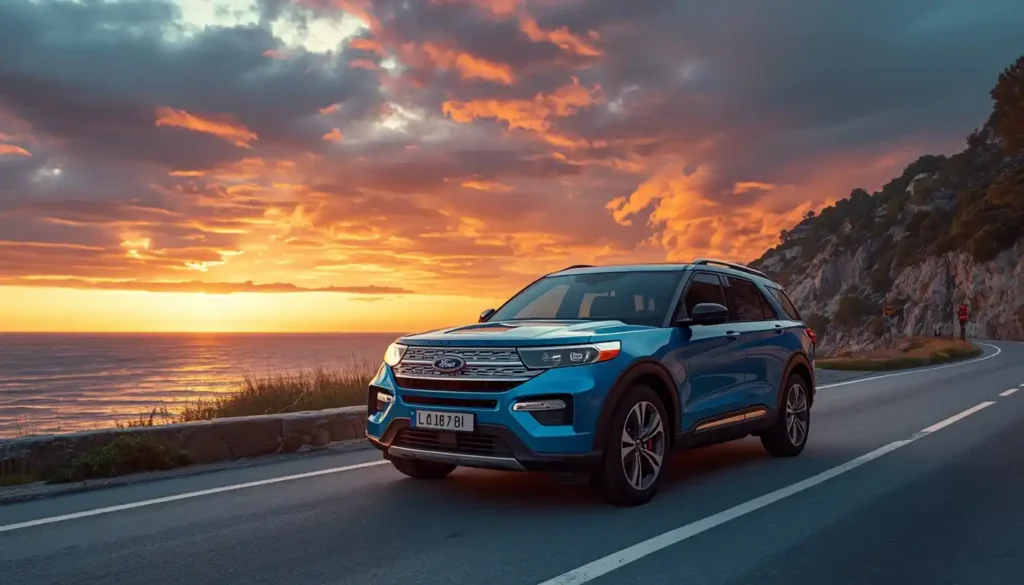
North American EV strategy has shifted toward a proprietary Universal EV Platform focused on affordable compact vehicles and extended range options for larger SUVs and trucks. Ford officials confirmed the first US vehicle on this new platform will be a midsize truck, not a crossover.
There is also a brand conflict issue: the Explorer name carries enormous recognition in the US as a large petrol powered SUV, and Ford has not chosen to split that identity. As of early 2026, no Ford Explorer EV 2026 version is confirmed for American sale.
If it ever arrives, estimates suggest a starting price around $50,000 based on current European pricing and import cost calculations.
Ford Explorer EV Dimensions at a Glance
This ford electric suv sits at 4,460 mm long, 1,870 mm wide, and 1,600 mm tall, with a 2,770 mm wheelbase. It’s about 70 mm shorter than the VW ID.4, which makes a real difference in tight urban parking.
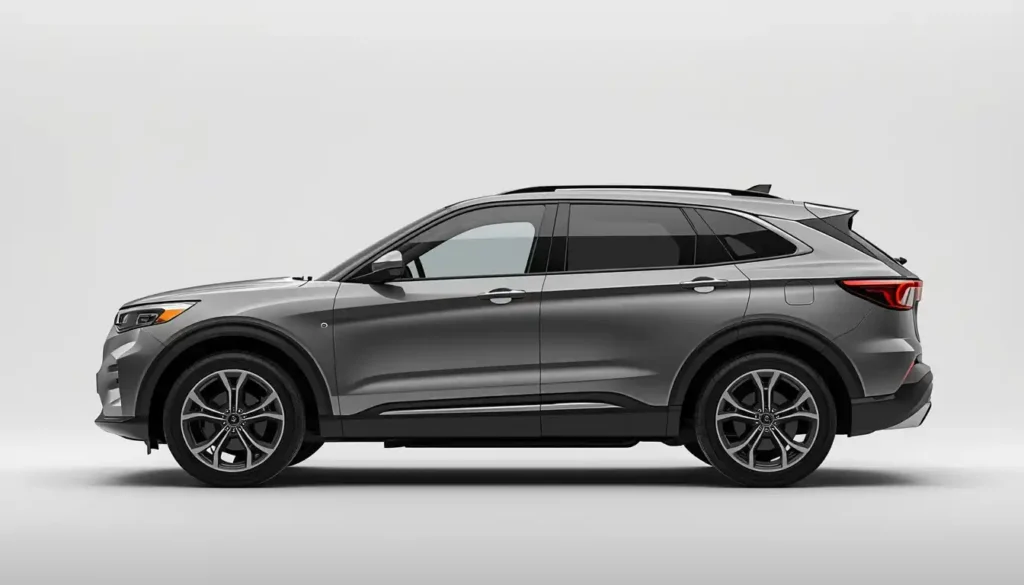
The upright roofline makes the car taller than it looks in photos, and that height directly benefits rear headroom. Wheel options run from 19 to 21 inches depending on trim. The base 19-inch wheels consistently deliver the most comfortable ride quality, particularly on uneven UK road surfaces.
Ford Explorer EV Premium Extended Range AWD vs Other Trims
Ford offers the Explorer EV in Style, Select, and Premium. The Ford Explorer EV Premium Extended Range AWD sits at the top and is the only trim with dual motors and all-wheel drive.
It gets a 79 kWh battery instead of the 77 kWh in RWD models, faster 185 kW DC charging instead of 135 kW, 20-inch alloy wheels, a panoramic roof, a Bang and Olufsen 10-speaker sound system, matrix LED headlights, Sensico interior trim, ambient lighting with 10 colour options, and a hands-free electric tailgate.
Ford built this on Volkswagen’s MEB platform, the same one used in the VW ID.4 and Skoda Enyaq. Ford tuned the suspension and steering independently though.
Road testers report that the Explorer steers with more weight and feel through corners than the ID.4, and the AWD system holds its line on wet roads in a way the single-motor version can’t match.

MEB cars from different brands do drive differently once each manufacturer adjusts the chassis, and the Explorer is one of the better examples of that.
2026 Ford Explorer EV Premium AWD Full Specs
Here are the core numbers for the Ford Explorer Extended Range AWD. I’d recommend going through these before the real-world section because a few of them, like the two separate motor torque figures, explain a lot about how the car behaves on the road:
| Spec | Detail |
| Battery (usable) | 79 kWh |
| Gross Battery | 82 kWh |
| Total Power | 340 hp / 250 kW |
| Total Torque | 679 Nm |
| Rear Motor | 545 Nm, synchronous |
| Front Motor | 134 Nm, asynchronous |
| 0-62 mph | 5.3 seconds |
| Top Speed | 112 mph |
| WLTP Range | 329-352 miles |
| DC Fast Charging | 185 kW max |
| 10-80% Charge Time | 26 minutes |
| AC Charging | 11 kW onboard |
| Towing Capacity (braked) | 1,200 kg |
| Boot Space | 445L seats up / 1,417L folded |
| Kerb Weight | 2,092-2,104 kg |
| Drive | AWD dual motor |
| Battery Chemistry | NMC Lithium-ion |
| Platform | Volkswagen MEB |
| Built in | Cologne, Germany |
| Dimensions (L x W x H) | 4,468 x 1,871 x 1,639 mm |
| Wheelbase | 2,767 mm |
Ford Explorer EV Standard Range RWD: Full Specs
Here’s a complete breakdown of the Ford Explorer EV Standard Range RWD specs. These are cross referenced across ev database.org, manufacturer sheets, and AutoWeek’s detailed technical data.
| Spec | Detail |
| Battery (Nominal / Usable) | 55 kWh / 52 kWh |
| Motor Type | Permanent Magnet Synchronous (PMSM) |
| Ford Explorer EV Horsepower | 125 kW (168–170 hp) |
| Torque | 310 Nm (229 lb-ft) |
| Drivetrain | Rear-Wheel Drive (RWD) |
| 0–60 mph / 0–100 km/h | ~8.6 sec / 9.0 sec |
| Top Speed | 160 km/h (99 mph) |
| Ford Explorer EV WLTP Range | 380–384 km (236 miles) |
| Real-World Range (summer) | ~323 km (201 miles) |
| Real-World Range (winter) | ~213 km (132 miles) |
| DC Fast Charging | Up to 145 kW |
| 10–80% Charge Time | ~25–30 minutes |
| AC Charging (onboard) | 11 kW |
| Battery Architecture | 400V lithium-ion |
| Charging Port | CCS Type 2 (Europe) |
| Length / Width / Height | 4,468 / 1,871 / 1,630 mm |
| Wheelbase | 2,767 mm (108.9 in) |
| Boot Space | 450 L / 1,422 L (seats folded) |
| Towing (braked) | 1,000 kg |
| Kerb Weight | 2,008 kg |
| Frunk | None |
| Starting Price (EU) | ~€42,500 |
| Market | Europe (launched 2024) |
Ford Explorer EV Standard Range: Real-World Range
The official Ford Explorer EV WLTP range is 380–384 km (236 miles). That’s the test cycle number. Here’s what real world data actually shows across seasons:
| Condition | Estimated Range |
| Summer city driving | ~375 km (233 miles) |
| Summer motorway (130 km/h avg) | ~272 km (169 miles) |
| Average summer combined | ~323 km (201 miles) |
| Winter city driving | ~250 km (155 miles) |
| Winter motorway | ~176 km (109 miles) |
| Average winter combined | ~213 km (132 miles) |
Energy consumption sits at around 16.1 kWh per 100 km, which beats the older VW ID.4 Pure Performance at 17 kWh/100 km. For commuters covering under 150 km daily, the Ford Explorer range is more than enough.
Winter motorway driving is where the 52 kWh battery shows its limits most clearly, so plan charging stops on long, cold weather journeys.
More EV Guides Worth Reading
Final Verdict: Is the Ford Explorer EV Worth It in 2026?
The upright roofline makes the car taller than it looks in photos, and that height directly benefits rear headroom. Wheel options run from 19 to 21 inches, depending on trim. The base 19-inch wheels consistently deliver the most comfortable ride quality, particularly on uneven UK road surfaces.

The Ford Explorer EV delivers where it matters most for real buyers: genuine long range, a distinctive and practical interior, composed handling, and real-world winter performance that owners confirm every day.
The three year vehicle warranty and smaller boot space are genuine weaknesses. But for European families deciding between the major electric SUVs in this class, the Extended Range RWD Select trim hits the right balance of capability, comfort, and value.
Add the heat pump. Check the real owner range data. The Ford Explorer electric SUV earns its place on any serious shortlist in 2026.
Frequently Asked Questions
What is the real world winter range of the Ford Explorer EV?
Real UK owners report 270 to 280 miles from a full charge in cold winter motorway conditions with heating running.
Is the Ford Explorer EV coming to the United States?
No. As of early 2026, Ford has no confirmed US plans for this electric crossover. North American strategy focuses on a new platform for affordable and extended-range vehicles.
Which Ford Explorer EV trim is the best value?
The Select trim with the Extended Range 77 kWh battery is the best value pick. You get 374 miles of WLTP range, heated and massaging front seats, wireless charging, and a heated steering wheel, without paying for AWD features most buyers won’t need daily.
How fast does the Ford Explorer EV charge?
The RWD Extended Range charges at up to 135 kW DC, completing 10% to 80% in approximately 28 minutes. The AWD version supports 185 kW and achieves the same charge in about 26 minutes.
What rivals should I compare against the Ford Explorer EV?
The Volkswagen ID.4, Kia EV6, Tesla Model Y, Hyundai Ioniq 5, and Renault Scenic are the main alternatives in the European mid-size EV segment.

