
Plug-in Hybrid
CUPRA Terramar 2026: Tested, Rated, and Worth It?
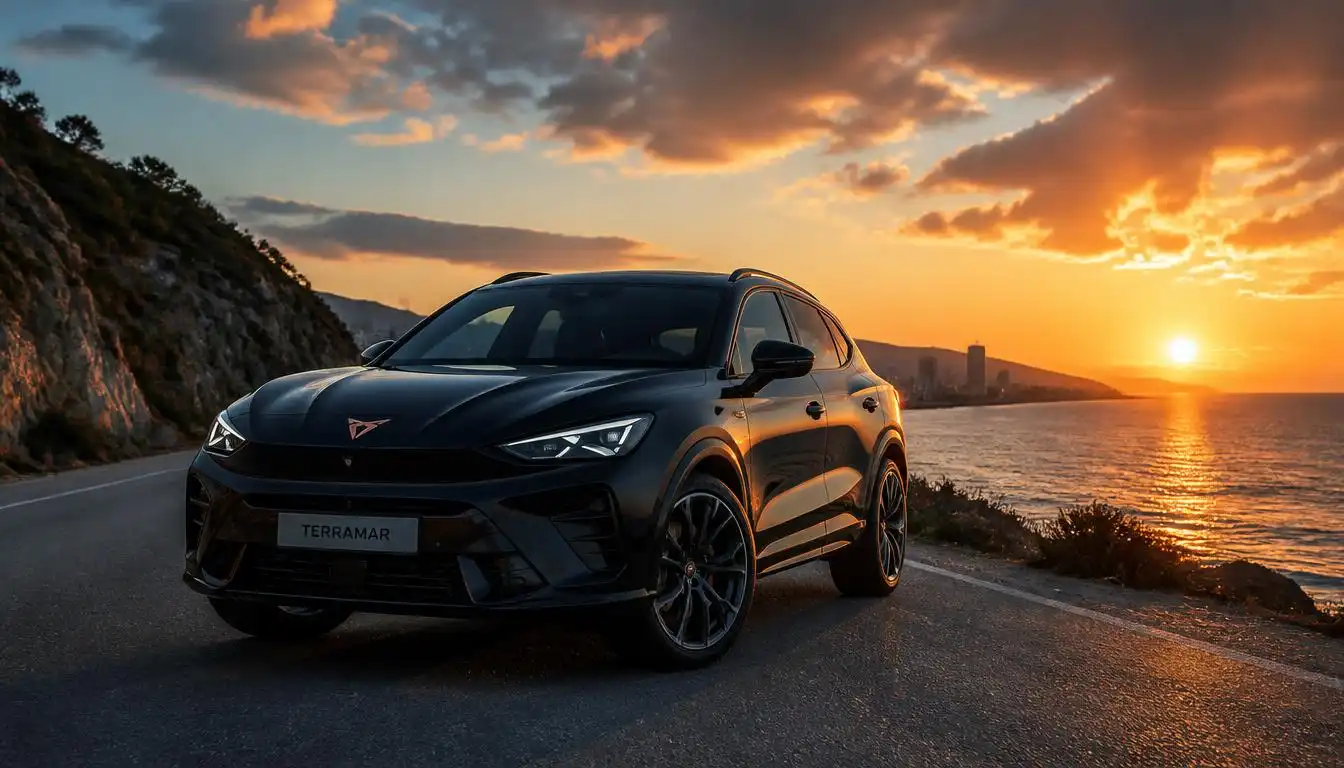
The CUPRA Terramar starts at £38,015 in the UK and $84,181 in Australia for the top VZe. I’ve driven the petrol VZ and the PHEV back to back, and they don’t feel like the same car.
The CUPRA Terramar is a compact crossover SUV built on VW’s MQB Evo platform. It comes with petrol, mild-hybrid, and plug-in hybrid powertrains. The VZ puts out 265 HP, hits 100 km/h in 5.9 seconds, and PHEV variants claim 73 miles of electric-only range. UK prices start at £38,015 with a five-star Euro NCAP safety rating across the range.
The VZ is 340 pounds lighter, sharper through corners, and more fun on a B-road. The PHEV saves you thousands in company car tax but comes with a smaller boot and a gearbox that sometimes has a mind of its own.
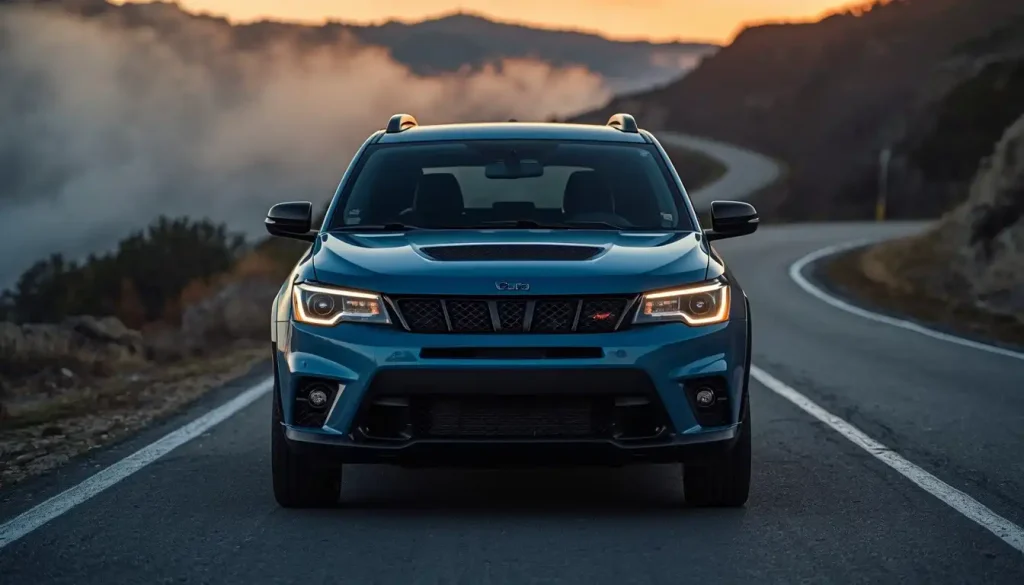
What Is the CUPRA Terramar?
The Terramar sits above the Formentor and alongside the Cupra Tavascan and Cupra Born as CUPRA’s biggest and most family-friendly model. It launched in September 2024 and landed in European and Australian showrooms through 2025.
The 2026 lineup brings the VZ Tribe Edition in two design themes, refreshed drive-away pricing, and in Australia, only 45 Tribe Edition units split between Black and Green.
I’d call the exterior confrontational in a way that’s earned. The shark-nose front, copper accents, triangular LED light signatures, and 20-inch Hadron alloy wheels on the VZ give it a presence no Tiguan owner will recognize from their driveway.
CUPRA named this car after a racetrack near Barcelona, and that energy comes through every time you park it next to something ordinary.
CUPRA Terramar Engine Options: Petrol, Mild-Hybrid, and PHEV
The Cupra Terramar engine range gives you three real-world choices. At the bottom is a 1.5-liter mild-hybrid turbo four-cylinder with 150 HP through a seven-speed DSG. It’s the one to pick if you want lower fuel bills and don’t plan to plug in anything.
Step up and you get a 2.0-liter turbo four-cylinder in either 201 HP or 265 HP, both with all-wheel drive and a seven-speed DSG. The 265HP VZ does 0-100 km/h in 5.9 seconds. I’ve driven it, and it pulls hard without feeling like it’s trying.
The plug-in hybrid pairs 1.5-liter petrol with an electric motor for either 204 HP or 272 HP combined. The Cupra Terramar e hybrid is front-wheel drive with a six-speed DSG.
Both PHEV versions share a 25.8 kWh battery with roughly 20 kWh usable, giving a claimed 73 miles on electric alone. A 50kW rapid charger takes it from 10 to 80 percent in about 26 minutes.
PHEV vs Petrol: Which One Should You Choose?
I put real miles on both, and here’s what I came away with. The petrol VZ is the better driver’s car. It’s 340 pounds lighter than the PHEV, keener through corners, and the seven-speed gearbox responds instantly.
The PHEV can be frustrating: the six-speed DSG sometimes ignores your paddle inputs at the wrong moment, and the brake pedal gives you less feel than the petrol does.
That said, the PHEV is a no-brainer for company car drivers. Its CO₂ output drops it into a much lower benefit-in-kind bracket than petrol rivals like the BMW X1 xDrive30e and Range Rover Evoque PHEV.
It also offers longer electric range than the PHEV versions of the Audi Q3, BMW X1, and Volvo XC40. If you’re hunting the best small SUV hybrid for tax efficiency, this is worth serious attention.
The trade-off is the boot. The PHEV Terramar gets 400 litres because the battery sits under the rear bench. Petrol versions start at 540 litres and open out to 642 litres when you slide the rear seats forward. If you carry a lot of kit regularly, that gap will bother you more than you’d expect from reading a spec sheet.
Full Specs and Dimensions
The Cupra Terramar dimensions are 4,519 mm long, 1,863 mm wide, and 1,584 mm tall on a 2,679 mm wheelbase, putting it in the same size bracket as the VW Tiguan.
The Cupra Terramar specs on every variant include a 10.3-inch digital driver’s display, keyless entry and start, full LED headlights, adaptive cruise control, a heated steering wheel, three-zone climate control, and rain-sensing wipers.
The three-zone climate runs the driver, passenger, and rear zones independently. There’s also passenger recognition that backs off the output when seats are empty. On a long solo run, you’ll notice the difference.
CUPRA Terramar Models, Trim Levels and Pricing
The range breaks into V and VZ families. In the UK that’s V1, V2, VZ1, and VZ2. For the new Cupra Terramar 2026 in Australia, you’re looking at S, V, VZ, VZ Tribe Edition, and VZe. V1 and S are well-stocked from the start.
V2 adds heated front seats, a head-up display, and ambient lighting. VZ grades are saved for the more stronger engines and bring matrix LED headlights, dynamic chassis control dampers, and sport bucket seats with electric adjustment.
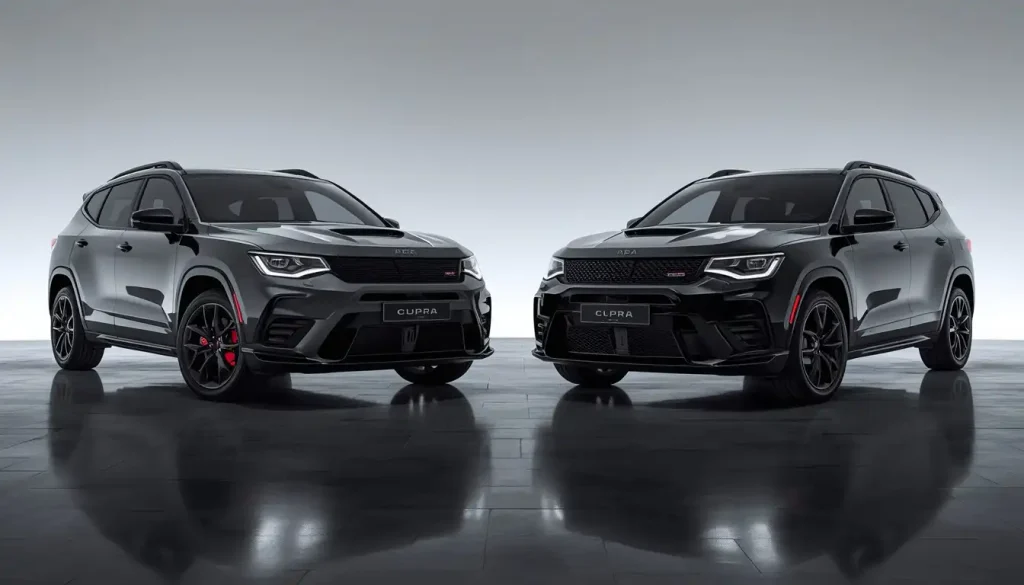
The Cupra Terramar VZ is where I’d send most buyers. The adaptive dampers make a real difference to how the car feels. Comfort mode soaks up broken road without fuss.
CUPRA mode tightens everything up without making the car feel harsh. One press of the CUPRA button on the steering wheel swaps between them.
The Cupra Terramar price in the UK opens at £38,015 for the V1 eTSI. In Ireland, PCP finance from August 2026 starts at €359 a month at 3.9% APR on the V1. In Australia the 2026 range goes from $58,490 drive-away for the S up to $84,181 for the VZe.
Every Terramar comes with a five-year unlimited-kilometer warranty and five years of roadside assistance. You can see the full spec breakdown at cupra.com.
The Tribe Edition: Recycled Materials in a Performance SUV
The new CUPRA Terramar Tribe Edition isn’t only a paint job. The seat centres are made from 100 per cent recycled materials using 3D knitting that cuts out the waste of traditional cutting and sewing.
The 20-inch alloys use up to 20 per cent recycled aluminium finished in bio-based paint. About 30 per cent of the interior plastics are recycled too.
In Australia the Tribe Edition Black is $75,490 drive-away, a $2,000 step up from the standard VZ. There are only 35 Black units and 10 Green units going to Australian buyers.
First deliveries land in October 2026. Both come with the same five-year unlimited-kilometre warranty as the rest of the lineup.
Interior Quality and Technology
The Cupra Terramar interior puts the driver first in a way the VW Tiguan doesn’t bother to. The 12.9-inch screen angles toward your seat. Copper accents run through the dashboard, vents, and stitching.
VZ models get Deep Burgundy leather as standard, and I’ll be honest: it looked like a risk in photos and works brilliantly in person. Next to this cabin, a BMW X1 interior feels forgettable.
The honest criticism: the infotainment isn’t as flexible as what you get in the Kodiaq or Tiguan. Flipping the PHEV into pure electric mode takes too many taps through the menus. What CUPRA did get right is the steering wheel.
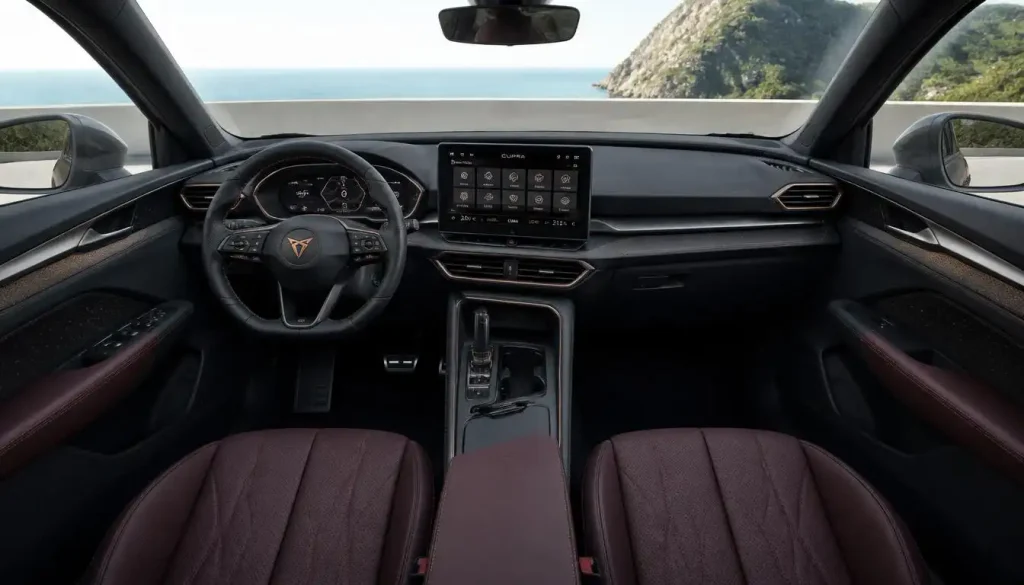
Proper buttons and rollers instead of touch-sensitive pads, so you’re not prodding at a screen while trying to drive. The Sennheiser AMBEO 12-speaker setup, standard on the VZ in Australia, adds real depth to the sound. The base audio feels flat after you’ve heard it.
Safety Rating and Driver Assistance Features
The Terramar got a five-star Euro NCAP result in 2025. Adult occupant protection came in at 89 percent. Child occupant protection scored 87 percent. Vulnerable road users got 82 percent, and safety assist systems landed at 76 percent.
The full test breakdown is on Euro NCAP’s results page. Every variant comes with automatic emergency braking, lane-keeping help, traffic sign recognition, blind-spot monitoring, and rear cross-traffic alert as standard.
Travel Assist links the adaptive cruise control with lane guidance and manages your speed based on traffic, speed limits, and the road ahead. The predictive speed adjustment reads road signs and navigation to slow you down before bends and junctions.
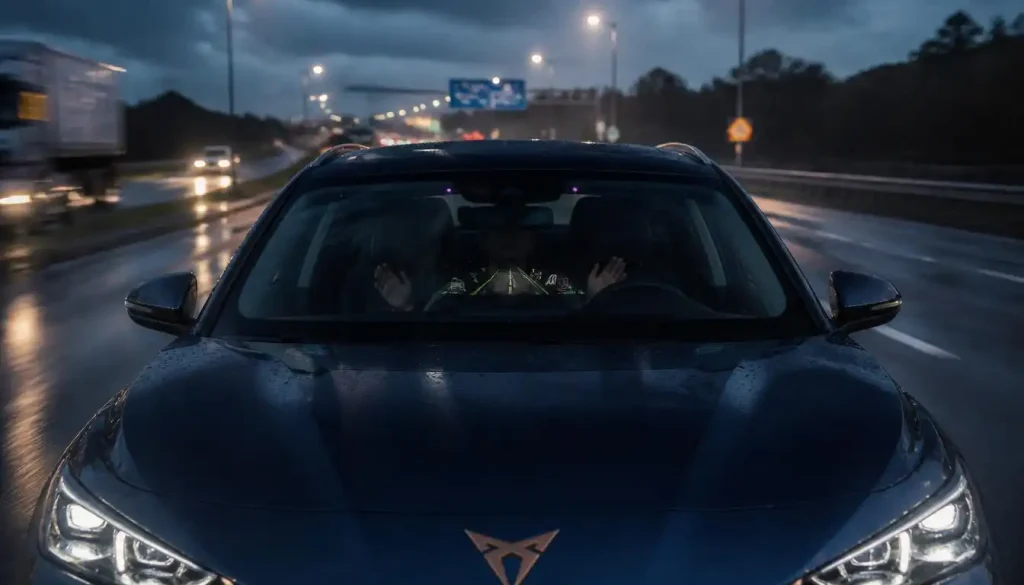
I’ve done long motorway stints with this running, and it takes a real edge off the tiredness. Park Assist Plus remembers parking spots you use often and does the maneuver for you. Sounds like a gimmick. After using it every morning in a tight car park, it isn’t.
How the CUPRA Terramar Compares to Its Rivals
Looking at the best compact hybrid SUV 2026 field, the Terramar is put against the VW Tiguan, Skoda Kodiaq, Kia Sportage PHEV, BMW X1, Ford Kuga, and Volvo XC40.
The Tiguan and Kodiaq share the same MQB Evo platform as the Terramar. The Terramar costs more than both, but the interior is more distinctive, and the standard kit is better on matching grades.
Stack it against the BMW X1 and Volvo XC40, and the Terramar Cupra is priced comparably with more PHEV electric range. It loses on resale values and brand familiarity, where the German and Swedish rivals have decades of history.
For driving fun at this price, the 2.0-liter petrol VZ beats the Kia Sportage and Tucson and matches the BMW X1. It’s the best compact sport utility vehicle in this bracket if driving matters more than the badge.
Running Costs and Fuel Economy
Services are due every 15,000 km or 12 months. The 1.5-litre eTSI drinks about 5.7 L/100 km on the combined cycle. The 2.0-litre VZ uses around 8.2 L/100 km, which is about right for a 195 kW all-wheel-drive petrol.
The PHEV VZe drops to a reported 0.5 L/100 km when you keep the battery topped up. That figure is for buyers doing mostly city driving and plugging in overnight.
Company car drivers get the strongest argument for the PHEV. Three years of BIK tax savings in the UK can outweigh the price gap over the petrol on their own.
Lower CO₂ bands mean lower monthly tax bills, and the Cupra Terramar 2026 stacks up well against the Tiguan and Kodiaq on total running costs once you count the five-year warranty and roadside assistance included with every car.
Who Should Buy the CUPRA Terramar?
Get the petrol VZ if you want the most enjoyable drive and don’t need the numbers to work on a tax return. That’s where this car’s personality shows up most.
Get the PHEV if you drive a company car and can charge daily. The BIK savings over three years can pay for the premium by themselves. Get the standard V if you want the look and the platform without the VZ price tag.
Skip the Terramar if you need seven seats, want the most boot space from a PHEV, or if residuals at three years matter a lot. This isn’t a car that sells itself because it’s the safe choice. You pick it because you’ve done the research and decided you want it.
CUPRA Terramar Review: Verdict
The Cupra Terramar review comes down to this: it’s a better car than most people expect, and the brand is catching up fast. The VZ petrol is for drivers. The PHEV is for company car users who run the numbers. The Tribe Edition is for anyone who wants something limited. It’s not the safe pick. That’s the point.
FAQ
Q: Is the CUPRA Terramar based on the VW Tiguan?
A: Yes. The Terramar shares its MQB Evo platform with the Volkswagen Tiguan and Skoda Kodiaq. CUPRA has tuned the suspension, steering, and power delivery to feel different, and the interior design is a long way from the Tiguan’s, but the engineering underneath is VW Group throughout.
Q: What electric range does the Terramar PHEV offer?
A: Both PHEV variants claim 72 to 73 miles of electric-only range on the WLTP cycle, using a 25.8kWh battery with roughly 20kWh usable. In real mixed driving, expect 55 to 65 miles depending on temperature and how you drive.
Q: What is the difference between the Terramar V and VZ?
A: The V uses the 1.5-liter mild-hybrid or PHEV engines with front-wheel drive and 18-inch wheels. The VZ gets the more stronger engines, matrix LED headlights, Dynamic Chassis Control dampers, 19- or 20-inch wheels, and sport bucket seats. The VZ is a noticeably more entertaining car to drive.
Q: Is the Terramar rated five stars for safety?
A: Yes. It got five-star results from both Euro NCAP and ANCAP, with adult occupant protection at 89 percent. Every variant comes with automatic emergency braking, lane-keeping help, blind-spot monitoring, rear cross-traffic alert, and driver fatigue detection as standard.
Q: How big is Terramar’s boot?
A: Petrol and mild-hybrid versions give you 540 liters, growing to 642 liters with the rear seats pushed forward. PHEV versions drop to 400 liters because of the battery, growing to 490 liters with the seats forward. The PHEV also loses the adjustable boot floor that petrol versions get.
Conclusion
Go drive the Terramar VZ before you default to a Tiguan or a Kodiaq because they feel like the sensible option. The interior, the way the petrol drives, and the design are all better than you’d expect from a brand most people still can’t name in a car park. Book a test drive, ask for the VZ, and let the car make the argument itself
