
Affordable Electric SUVs
VW ID.3 Pro S 2026: Worth the Extra Cost? Full Review
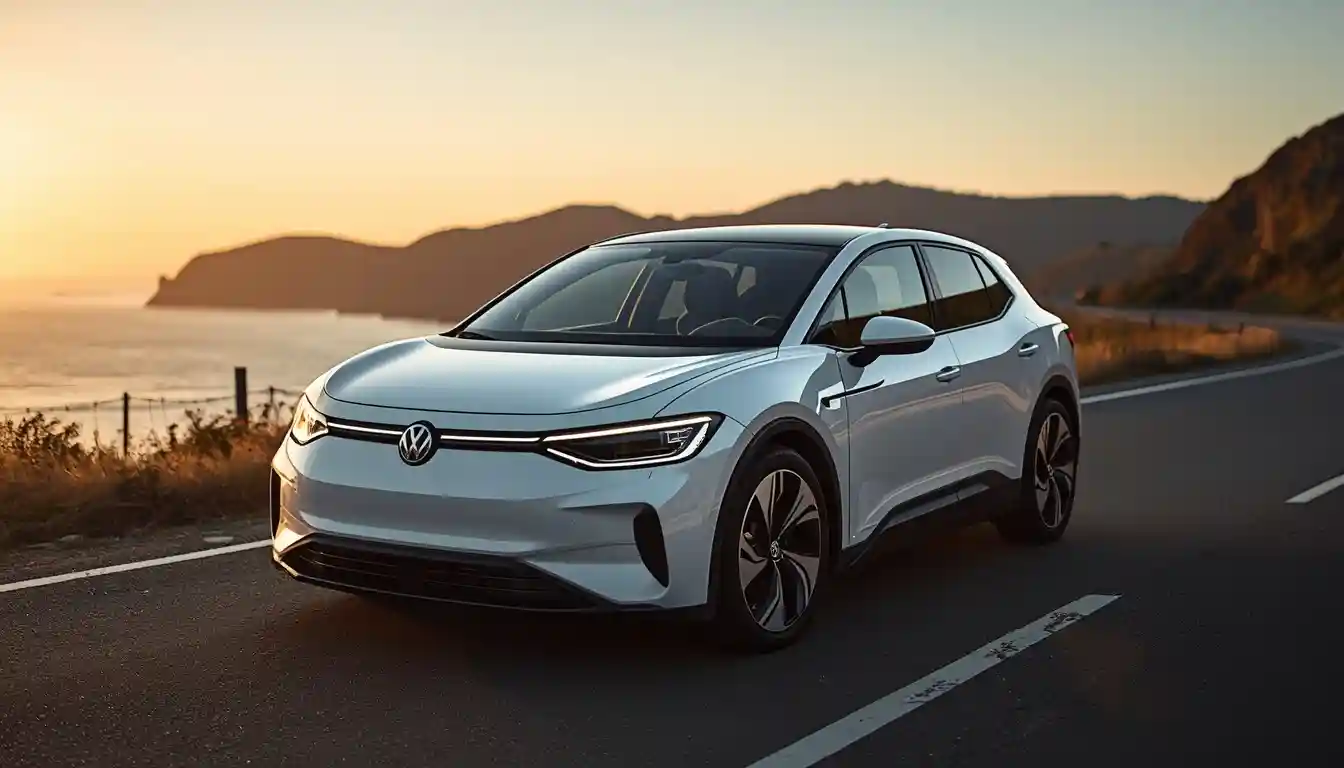
The ID.3 Pro S carries a 77 kWh battery, a 170 kW motor, and 175 kW DC fast charging. At a steady 70 mph on a UK motorway, it covers around 230 to 250 real miles per charge. Charging at home costs roughly 7 pence per mile.
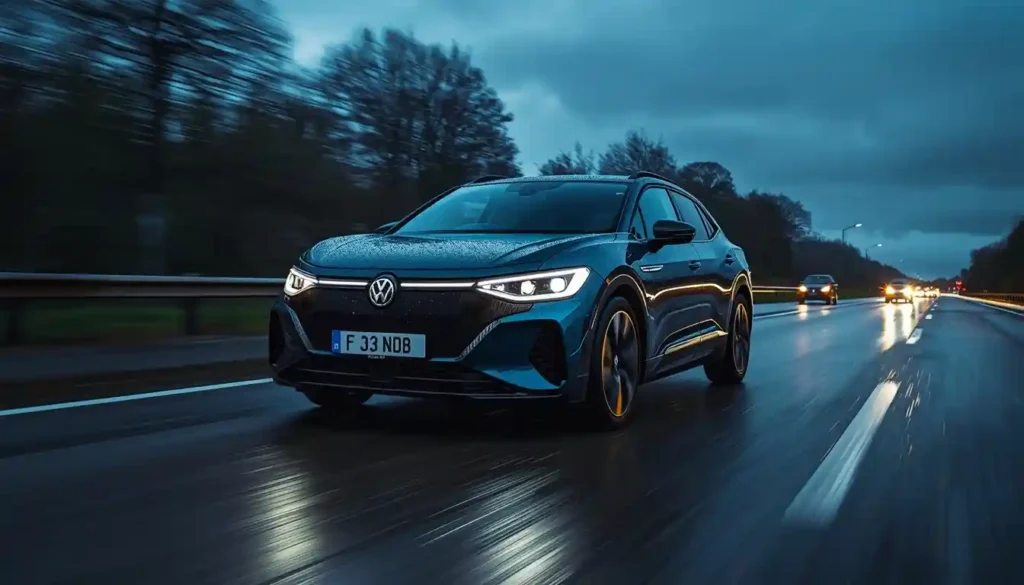
A 10-80 percent fast charge takes 28-32 minutes. Those are the numbers most people come here for. What follows covers the full picture: what the 2026 Volkswagen ID.
3 Pro S updates, how it performs through a UK winter, how it holds up against the MG4 and Ioniq 5, what 50,000 miles does to the battery, and whether the bigger pack is worth paying extra for over the standard Pro.
What the 2026 Volkswagen ID.3 Pro S Changed
Three updates make the current Volkswagen ID. The 3 Pro S is a meaningfully different car from early production models. The motor output went to 170kW, the DC charge rate went up to 175kW, and the v4.0 software came standard. None of these are badge changes.
V4.0 is the one you’ll notice on day one. Navigation recalculates faster without the mid-route freezing that frustrated early owners.
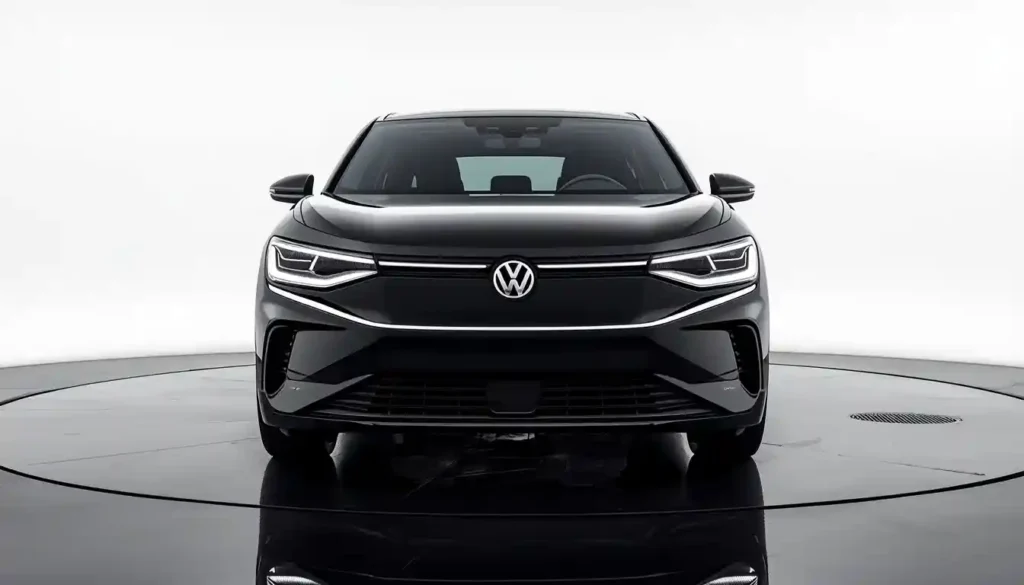
Climate controls take fewer taps to reach. And when you route to a fast charger through the navigation, the car now preconditions the pack automatically on the way there.
In winter, that means arriving at the charger with a warm battery, which gets you a full charge speed from the first minute you plug in. Before this update, cold-weather charge sessions were noticeably slower.
The 175kW peak charge rate matters most on longer drives. At a 150kW or faster CCS station, 10 to 80 percent takes under 32 minutes. That fits a coffee stop, not a meal break.
VW ID.3 Pro S Real-World Range in Every Condition
WLTP says 347 miles. That’s a lab result. The actual numbers from the ID. 3 Pro S 77 kWh depends on how and where you drive.
Motorway Range at 70mph
At a sustained 70 mph, the VW ID3 Pro S returns roughly 230 to 250 real miles from full. Wind resistance at motorway speed accounts for most of the gap from WLTP. It’s the same physics that affects every EV in this class.
The MG4 Extended Range does around 210 to 225 miles at the same speed. The Cupra Born with the shared 77kWh MEB pack runs in a similar bracket to the ID. 3.
The Ioniq 5 Long Range edges ahead at motorway pace because of its 800V architecture, but it costs more and is a larger car. Among electric hatchback options in this price range, the VW ID. The 3 Pro S sits solidly mid-pack.
Mixed UK Driving in Summer
Across towns, A-roads, and moderate motorway stretches, the Volkswagen ID.3 3 pro s returns 265 to 290 miles from a full charge in warm weather.
Range stops being something you think about on a normal working day. You leave with over 250 miles available every morning and come home with plenty left.
Winter Range With Real Numbers
Cold weather and cabin heating together cut the range by around 30 to 35 percent. At 0 to 7 degrees Celsius with heating on, plan for 175 to 210 miles in mixed driving. That’s the honest figure.
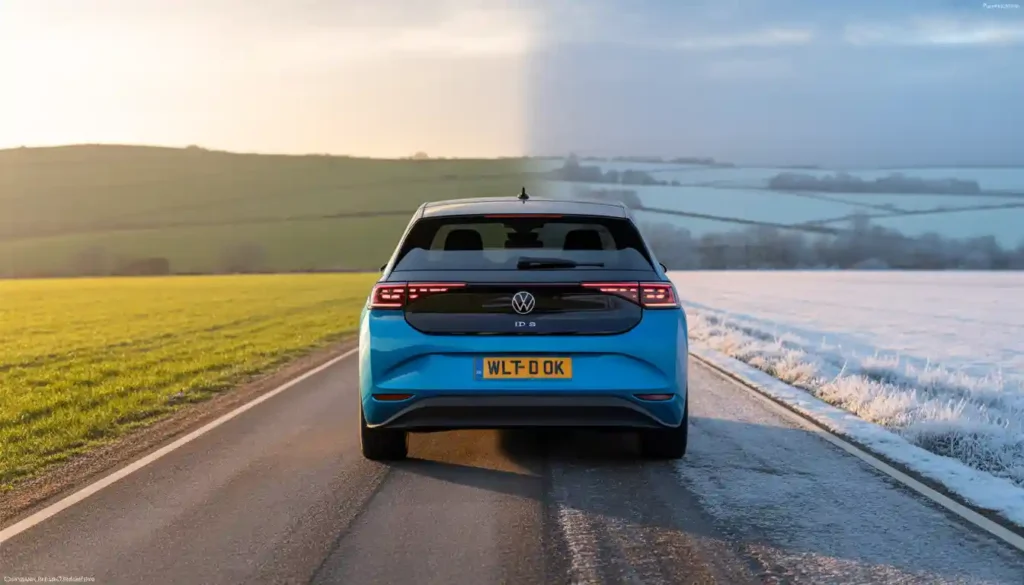
The heat pump on the VW ID3 Pro S pulls back 10 to 15 percent of that winter loss compared to a basic resistive heater. Cars without one drop into the 155 to 175-mile bracket on cold January days.
With the heat pump, you’re closer to 190 to 210 miles. It’s worth checking on any used ID.3 3 pros you’re considering, since it should be standard but occasionally isn’t on older stock.
Eco Mode vs Sport Mode Range Gap
On a 60-mile trip, changing from Sport mode to Eco mode in the Volkswagen ID. 3 Pro S adds around 15 to 20 miles per charge. Eco limits throttle and manages the cabin temperature more carefully. Sport draws more current from the pack, and the difference is measurable, not just theoretical.
Use Eco on motorway legs, where you don’t need fast acceleration. Use sport through town, where sharper pulls at junctions make the drive more enjoyable. Most owners settle into switching modes by feel after a few weeks without thinking about it.
Charging Networks and Home Setup
The ID.3 Pro S uses the CCS connector, which works at almost every public rapid charger in the UK and Europe.
UK Networks Compatible With the ID.3 Pro S
Lonity: up to 175kW at flagship sites. Best for long-distance top-ups. At around 79p per kWh without a subscription in 2026, it’s expensive for daily use.- BP Pulse: wide motorway service area presence, up to 150kW at fast hubs. Reliability has improved considerably.
- Pod Point: common in supermarkets and retail parks. Usually 7kW to 50kW. Good for a top-up during a shop.
- Gridserve Electric Highway: motorway hubs up to 175 kW at flagship sites. Growing fast across the UK network.
- Fastned and Osprey: both CCS and both well regarded for charger uptime.
Zap-Map is the most useful tool for checking real-time availability before you arrive at any site. The VW We Charge account gives roaming access across much of the European network if you drive abroad.
Home Wallbox Setup for the ID.3 Pro S
A 7.4kW home wallbox charges the ID3 Pro S from 20 percent to full in about 9 to 9.5 hours. That covers any overnight schedule. A standard 3-pin cable works but takes 28 to 30 hours for a full charge. Not a setup you want long-term.
The OZEV grant covers up to £350 toward home chargepoint installation for eligible properties. Details are at gov.uk A smart wallbox with scheduled charging lets you run sessions during off-peak hours on Economy 7 tariffs, which is where the cost advantage over petrol becomes very clear.
Cost Per Mile: Home vs Fast Charging Cost
This is the number that changes how buyers think about the VW ID. 3 Pro S.
Volkswagen id 3 pro s Home Rate
At a standard UK rate of 24p per kWh, filling the 72 kWh usable pack costs around £17.30. Across 240 real miles, that’s roughly 7 pence per mile.
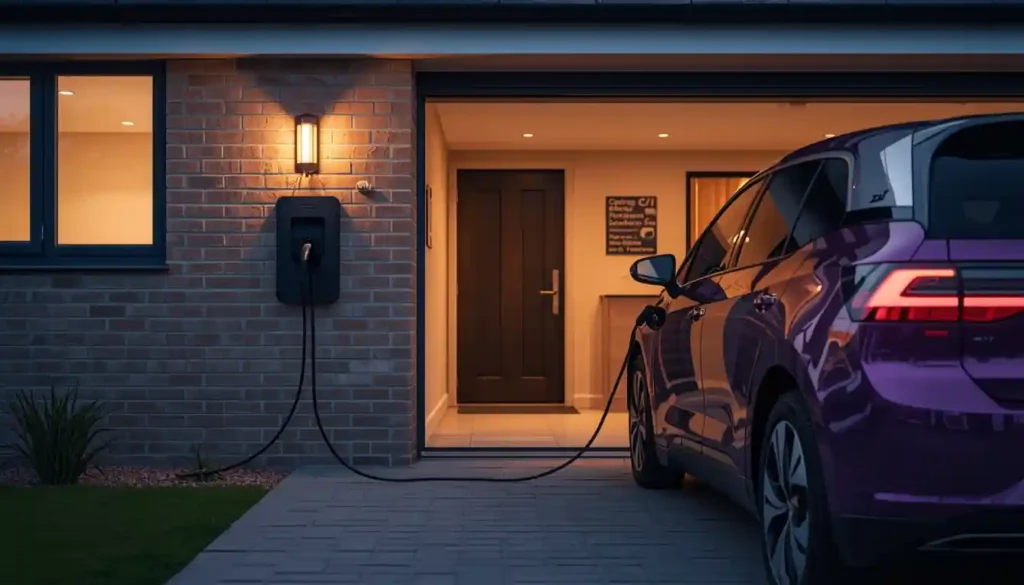
On an Economy 7 off-peak overnight tariff at 7 to 9p per kWh, the cost drops below £7 per full charge, around 2.8 to 3 pence per mile.
A 40mpg petrol car runs at roughly 15 to 17 pence per mile at current UK pump prices. Home charging on the Volkswagen ID.3 3 pro s cuts that fuel bill by more than half.
Public Fast Charger Rate
At Ionity, without a subscription, 79p per kWh puts a 10 to 80 percent session at roughly £40. That covers around 160 to 175 real miles, working out to 23 to 25 pence per mile. More than petrol per mile.
The ID.3 Pro S makes financial sense for buyers who plug in at home most nights. Public fast charging on a long trip is a convenience cost, not a running cost.
Pro S vs Pro: Is the Bigger Battery Worth It
The standard ID.3 Pro has a 58 kWh pack, around 260 WLTP miles, and a 150 kW motor. The ID.3 Pro S steps up to 77 kWh, 347 WLTP miles, and 170 kW. The price gap in 2026 sits around £4,000 to £5,000.
For buyers who do regular trips above 150 miles or who don’t have home charging, the Pro S is the right call. The range headroom and faster 175kW top-up rate remove most of the stress from longer journeys. The 170kW motor also has noticeably more pull from standstill than the 150kW unit.
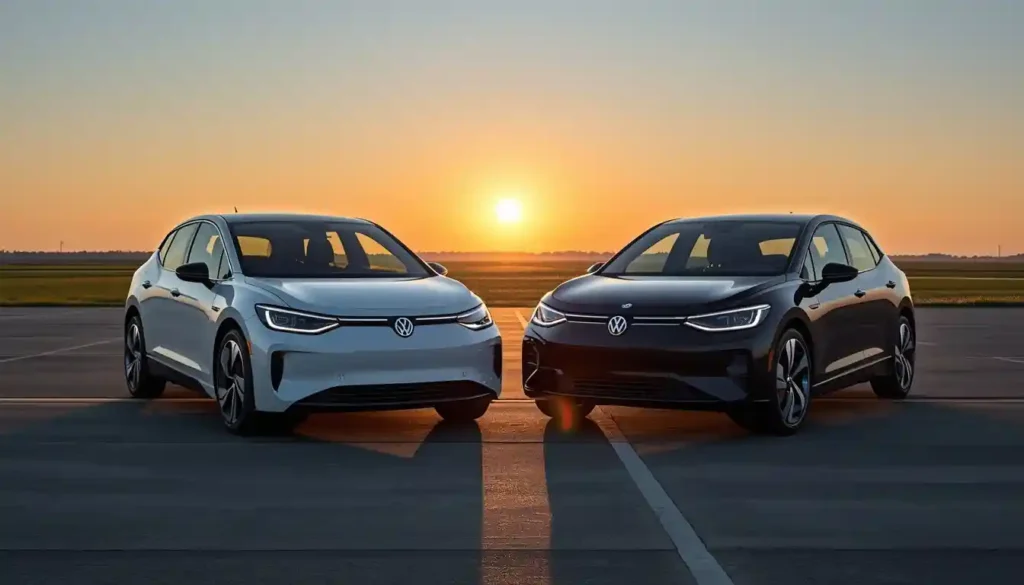
For daily commutes under 80 miles with an overnight wallbox, the standard Pro covers the need, and the saving is worth taking. Most buyers who stretch to the ID.3 3 pro s price say they’re glad they did within the first few months of ownership, but not everyone needs it.
ID.3 Pro S vs MG4, Ioniq 5, Cupra Born, and Megane E-Tech
The electric hatchback market has genuine alternatives in 2026. Here is where the Volkswagen ID.3 3 pro s stands against each one.
MG4 Extended Range
The MG4 Extended Range costs less. At 70 mph, it returns around 210 to 225 miles versus the VW ID.3 Pro S at 230 to 250. The VW leads on interior build, software quality, CCS network breadth, and three-year residual values.
The MG4 has more interior width and a longer factory warranty. For buyers on a tighter budget without long motorway runs in their routine, the MG4 is fair competition. The VW is the stronger car in most other respects.
Hyundai Ioniq 5
The Ioniq 5 is bigger, more expensive, and uses 800V architecture that pulls faster peak charge speeds at the highest-tier chargers. For drivers regularly covering over 200 miles in a single day with multiple charge stops, it has a real advantage.
For mixed UK daily driving, the ID. 3 Pro S is easier to park, cheaper to buy, and comparable in running costs. Pick the car that fits your actual driving pattern.
Cupra Born VZ 77kWh
The Born shares the MEB underpinnings with the VW ID Pro S. The performance figures at motorway speed are close to identical. Three grown-ups can sit together on the back bench.
The ID.3 has better noise suppression on long runs and a more polished v4.0 software setup. If feel and character matter most, the Born is worth a test. If long-trip refinement is the priority, the ID.3 has the edge.
Renault Megane E-Tech
The Megane E-Tech has a more driver-focused setup, lower seating position, and sharper steering feel. Its maximum charge rate of 130kW trails the ID.3 Pro S at 175kW, and its battery options don’t match the 77kWh pack for outright range.
For drivers who want more engagement on back roads, the Megane is a good alternative. For range and fast-charging pace, the Volkswagen ID.3 3 pro s wins.
4-Seat or 5-Seat: What You Actually Get in the Back
The flat MEB floor removes the transmission tunnel and creates a level rear footwell. Three grown-ups can sit together on the back bench.
Two of them will be comfortable on any journey. The third, in the center, has tighter headroom where the roofline drops. It works for short trips. A long motorway run with five adults is a stretch.
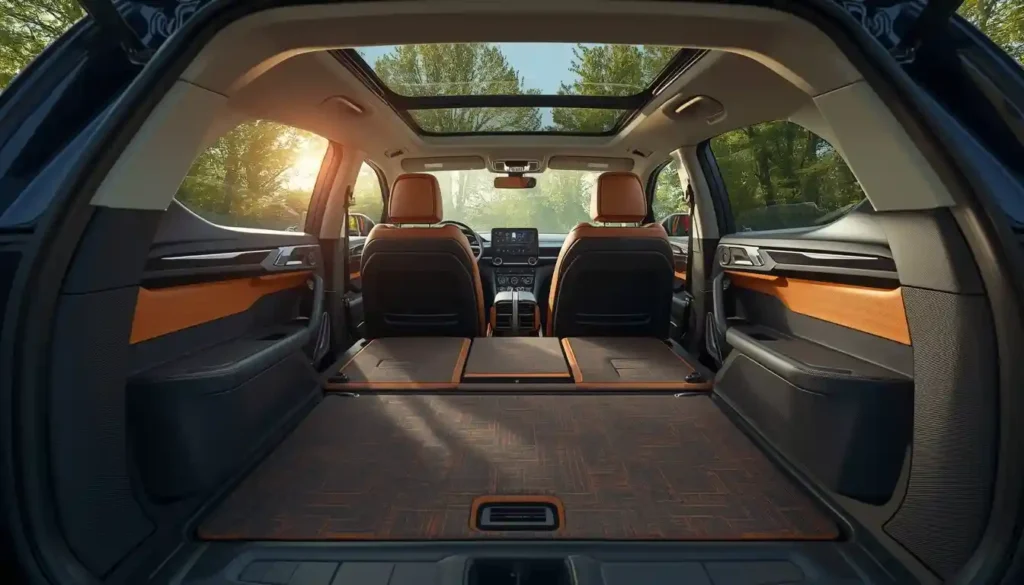
For couples, families with children, and daily solo drivers, rear space feels generous for the car’s footprint. For anyone needing a true five adult setup on regular, longer journeys, a larger car suits the need better.
Think of the ID.3 as a genuine four-seater with an occasional fifth seat rather than a full five-seat design.
The boot holds 385 liters with seats up. A pushchair, a holdall, and a few bags fit without folding anything. Two large rolling cases side by side are tight.
The wide, low loading lip makes loading straightforward, and the flat floor means bags sit level rather than tilted. No front storage frunk, so everything goes through the rear.
AR Head-Up Display: What It Actually Does
The augmented reality head-up display projects navigation arrows onto the windscreen so they appear to sit on the actual road ahead. Turn instructions appear at the junction you’re approaching rather than on a separate floating graphic you translate to the road mentally.
In busy city junctions with overlapping lanes and signs, this does the job a conventional HUD can’t. Setup takes a few minutes to match the projection to your eye height.
Once calibrated, it holds position accurately. On open motorways where the road ahead is clear, it adds less value. For regular urban driving in unfamiliar areas, it earns its place quickly.
V4.0 Software: What Changed and What Didn’t
The v4.0 over-the-air update, standard on 2026 cars, fixed the main complaints owners raised about earlier software versions. Navigation recalculates mid-route without the delays that made early ID.3 navigation unreliable.
The climate control interface is now reachable in two taps rather than four. Pre-conditioning before a charge stop runs automatically through the navigation planner rather than needing a manual trigger.
What stayed the same: the touch-sensitive volume slider is still awkward at speed, and there are no physical shortcut buttons on the dash. Most drivers adapt. Not everyone stops wishing it were different. The system in 2026 is far more usable day-to-day than the car that launched in 2020.
Battery Health After 50,000 Miles
Most reviews skip this. For buyers considering the VW ID.3 Pro S as a long-term purchase, it’s one of the more important data points.
The MEB platform uses liquid cooling for the pack. Real-world data collected from SpeakEV forums and VW ID owner communities shows around 3 to 5 percent capacity loss after 50,000 miles for cars charged at home to 80 percent using AC overnight sessions.
That result compares well against older passively cooled EVs and sits in line with what Hyundai and Kia platform owners report.
Pack health drops faster if you charge to 100 percent every single day, rely on DC fast charging as your main method, or leave the battery near empty in sustained cold. For standard home charging habits, the pack should hold well past 100,000 miles.
VW backs that with an 8-year warranty covering up to 160,000km and a guaranteed minimum of 70 percent original capacity.
Company Car and Fleet: BiK and Running Cost Breakdown
The company car case for the VW ID3 Pro S is one of the clearest in the class. The HMRC Benefit-in-Kind rate for zero-emission cars sits at 3 percent in 2026, rising in steps toward 7 percent by 2028.
On a list price of around £42,000, that means a BiK charge of roughly £1,260 per year, giving a tax bill of £252 for a 20 percent taxpayer or £504 for a 40 percent taxpayer.
A petrol or diesel hatchback at the same list price runs at a BiK rate of 25 to 30 percent. The difference for a higher-rate taxpayer runs into thousands of pounds annually.
Fleet buyers also benefit from 100 percent first-year capital allowance on zero-emission vehicles under current HMRC rules. Per-mile fuel costs from home charging add further to the whole-life cost advantage over diesel alternatives.
Resale Value and Depreciation
The early ID.3 generation from 2020 to 2022 took heavy depreciation hits. Buyers linked those cars with outdated software and slower charging, and the residuals reflected it. The updated models tell a different story.
Three-year, 60,000-mile residual values for the current Volkswagen ID.3 3 pro s sit around 38 to 43 percent of list price, according to CAP HPI data. That puts it in line with the Ioniq 5 and well ahead of the original ID.3 generation.
The Pro S holds its value better than the smaller-battery Pro because the used EV buyer pool favors longer-range options as familiarity with EV ownership grows.
On PCP finance, a 40 percent residual on a £42,000 car means payments are calculated against roughly £25,200 of depreciation over three years. That stacks up well against petrol alternatives at similar list prices.
Road Trip Guide: London to Edinburgh in the ID.3 Pro S
A 400-mile trip is where buyers want to know the car works without drama. Here is how the London to Edinburgh run plays out in practice with the 2026 ID.3 Pro S.
Night Before: Charge to 100 Percent
For daily driving, stopping at 80 percent is better for long-term pack health. For a long trip, charge to 100 percent at home the night before. Set a departure timer so the charge finishes close to when you leave, which also keeps the pack warm at the start of a cold morning.
Use the Navigation to Plan Stops
Enter your destination in the ID.3 navigation. The v4.0 planner reads your current charge level, factors in elevation and speed, picks CCS stops along the route, and pre-conditions the pack before arrival. It’s not perfect on every route, but it’s reliable enough to use as a base plan.
One Stop Is Enough
At 70mph, the ID.3 Pro S covers 230 to 245 miles from a full charge. The London to Edinburgh run is roughly 400 miles.
You’ll stop once, near Wetherby services or somewhere north of there, for around 25 to 30 minutes at an Ionity or Gridserve hub. Arrive with 15 to 20 percent remaining and leave at 80 percent. There is plenty of space left to reach the end.
Set Up Accounts Before You Go
Register with Ionity and BP Pulse before the trip. Download Zap-Map for real-time site availability. This takes under 20 minutes and removes the risk of arriving at a site that’s out of action.
MEB Platform in Plain Terms
The MEB (Modular Electric Drive Matrix) underpins the VW ID.3 Pro S, the Cupra Born, the Skoda Enyaq, and the Audi Q4 e-tron. For buyers, the three things worth understanding are these.
First, the pack sits flat under the floor, which is why rear legroom and cabin space feel larger than the car’s external footprint suggests. Second, the suspension was designed around EV weight distribution from the start rather than adapted from a petrol platform.
Third, the number of MEB cars on UK roads has grown enough that independent garages are building the skills to service them. Not as straightforward as a Golf yet, but closing.
How It Handles and What It Sounds Like at Speed
The VW ID.3 Pro S is not built for excitement. Steering is light and fast enough in town and accurate on A-roads, but it tells you little about grip through corners. Body control through bends is composed for the weight class.
The low pack placement keeps the center of gravity close to the road. One-pedal mode in B is strong enough for most city braking without touching the brake pedal.
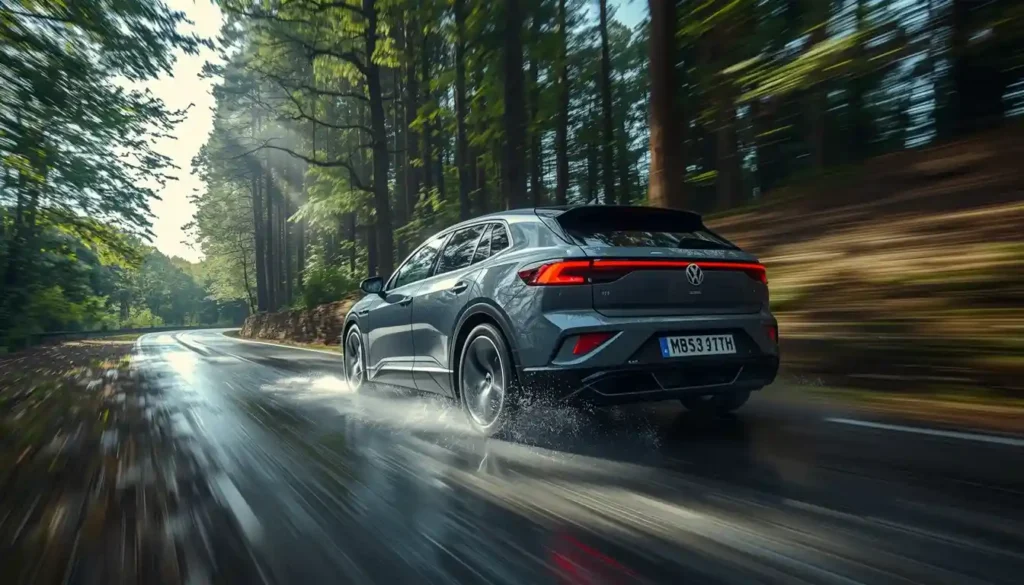
At motorway speed, wind noise is well managed for this size of car. Tyre noise on coarser UK road surfaces is the main sound in the cabin. It’s quieter than the MG4 at 70mph and close to the Cupra Born. The Ioniq 5 is more hushed at the same speed if cabin refinement is a top priority.
EV cabins change how you hear road noise. Without an engine filling the background, tire roar becomes more present. The ID.3 manages this well enough that a 200-mile run doesn’t feel worn.
Is the ID.3 Pro S a Good First EV
If you’re moving from a petrol Volkswagen ID. 3 Pro S is on your list; the short answer is yes. The driving feel is close enough to a petrol hatchback that the first week doesn’t feel like a learning curve.
Home charging removes the fuelling task entirely. You leave every morning with close to a full charge and rarely think about running out on a normal day.
Public charging in the UK in 2026 is good enough. Sometimes, you might find a piece that is not working or is broken. Zap-Map helps you route around it. The infrastructure picture is better than it was two years ago and keeps improving.
The VW electric experience with the ID.3 S has moved past the early rough edges. OTA updates arrive reliably. App connectivity works. For a buyer coming from a mid-range petrol hatchback, the day-to-day experience is a step forward in almost every area.
Full Annual Running Cost Breakdown
Here is what a year of ownership costs for the Volkswagen ID. 3 pro s in the UK in 2026 at 10,000 miles:
- Home electricity at 7p per mile: around £700
- Vehicle Excise Duty: £10 in year one for zero-emission cars under current DVLA rates
- Servicing: every 2 years or 20,000 miles; fewer wear items than petrol. Budget £200 to £300 per visit.
- Insurance: group ratings around 24 to 28, depending on trim and postcode; premiums broadly match an equivalent petrol hatchback
- Tires: wear faster than gasoline equivalents due to weight and instant torque; EV-rated tires are worth the investment.
Frequently Asked Questions
Q: What is the real-world range of the VW ID.3 Pro S?
A: At 70 mph on a UK motorway, 230 to 250 miles. In mixed summer driving, 265 to 290 miles. In winter with heating running, 175 to 210 miles. WLTP is 347 miles and applies to ideal conditions at lower speeds.
Q: How long does a 10 to 80 percent charge take?
A: At a 150kW or faster CCS charger, 28 to 32 minutes. On a 7.4 kW home wallbox from 20 percent, 9 to 9.5 hours overnight.
Q: Does the ID.3 Pro S have a heat pump?
A: Yes. The 2026 Volkswagen ID. The 3 Pro S has a heat pump as standard. It cuts winter range loss by roughly 10 to 15 percent. Worth verifying on any used example you look at.
Q: Is the ID.3 Pro S worth it for company car drivers?
A: Yes. At 3 percent BiK in 2026, the annual tax charge on a £42,000 car is £252 for a 20 percent taxpayer. A petrol equivalent at 25 to 30 percent BiK would cost over £3,000 per year in taxes for the same taxpayer.
Q: How does the ID.3 Pro S compare to the MG4?
A: The MG4 costs less. The ID.3 Pro S leads on motorway range, software quality, CCS network access, and three-year residuals.
Q: Which charging networks work with the ID.3 Pro S?
A: All CCS networks: Ionity, BP Pulse, Pod Point, Gridserve, Fastned, Osprey, and the large majority of UK and European public rapid chargers.
Q: What does home charging cost per mile?
A: At 24p per kWh, about 7 pence per mile. On off-peak Economy 7 at 7 to 9p per kWh, around 3 pence per mile.
Q: How much does the battery degrade over time?
A: Around 3 to 5 percent after 50,000 miles for home charging to 80 percent. VW’s 8-year warranty guarantees at least 70 percent of original capacity up to 160,000km.
