
Plug-in Hybrid
BMW i8 Long Term Ownership: See My Honest 2026 Verdict
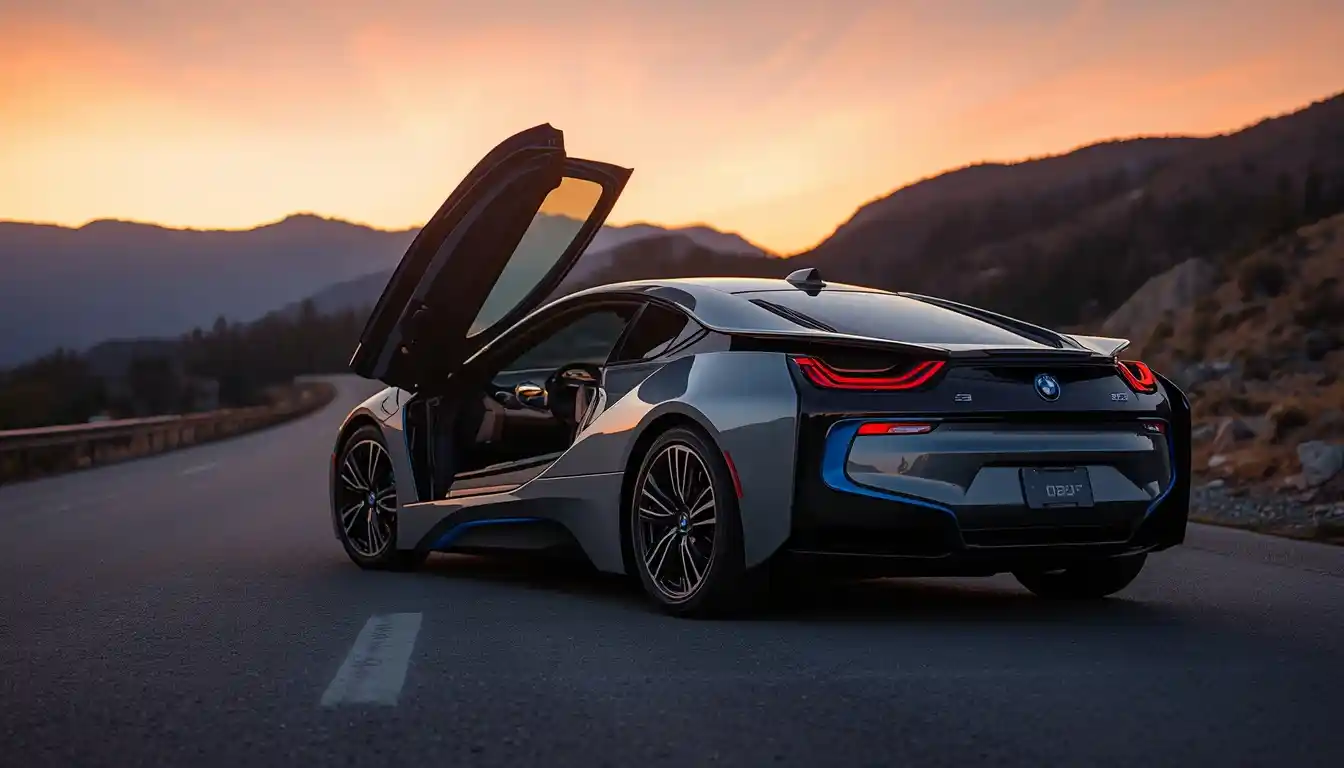
BMW stopped building the i8 in 2020. Six years later, the used market is full of them, prices have dropped to levels that look tempting, and a new wave of buyers is asking the same question: Is this actually worth owning in 2026?
The honest answer depends entirely on which year you buy, what condition the battery is in, and whether you have a specialist near you who actually knows this car. Most ownership cost articles were written when these cars were two or three years old. The repair bills, the parts availability situation, and the insurance rates all look different now.
I went through RepairPal data, Warrantywise reliability scores, current insurance quotes, and owner accounts from US and UK forums to build a real picture of what BMW i8 long-term ownership costs in 2026. Not what it cost in 2022. What it costs right now.
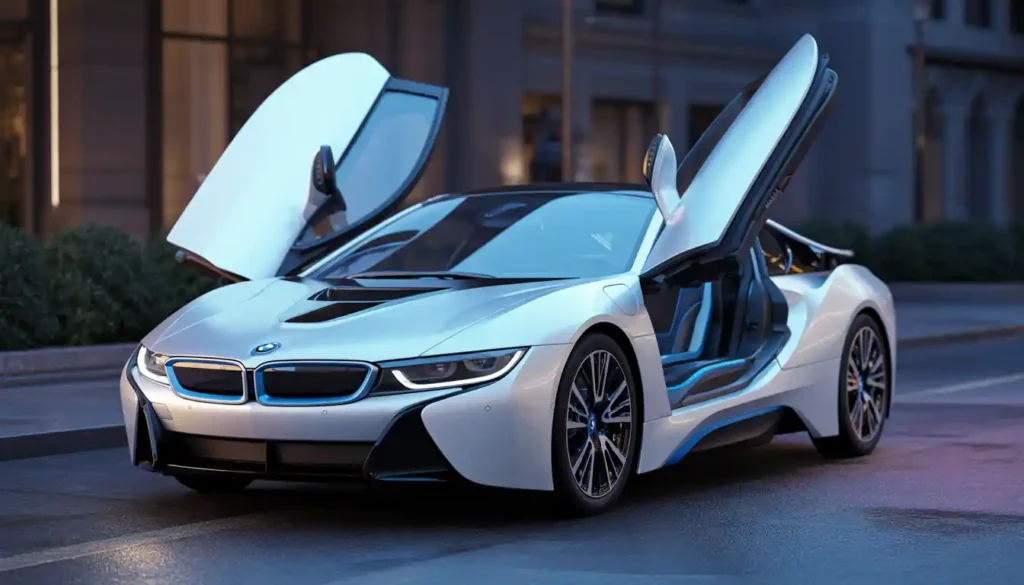
Owner experience on this car splits in a way I haven’t seen with many other used sports cars. Some people buy an i8, run it for three years on basic maintenance, and never want to sell it. Others hit an AC compressor failure at 45,000 miles or an inverter fault at 60,000, and walk away swearing never again.
The difference between those two outcomes usually comes down to which year they bought and whether they checked the battery health before signing. For full pricing and specs, see our BMW i8 price guide. No other used sports car at this price point looks like this, drives like this, or carries these specific ownership risks.
BMW i8 Long Term Ownership: The Numbers Nobody Shows You
The Warrantywise reliability index ranked the BMW i8 last out of every car category they tracked. Its score was 16.5 out of 100.
The average repair cost across their warranty claims came to around 2,006 British pounds, with the single most expensive repair request hitting 7,530 pounds. Electrical system faults were the most common claim category.
That sounds alarming, and it should get your attention. But here’s the context that matters: Warrantywise data only captures cars that broke down and needed warranty repairs.
It doesn’t reflect the many i8s that run cleanly for years on basic maintenance. RepairPal puts the average annual repair cost for the i8 at $2,123, ranking it 9th most expensive out of 30 BMW models. That’s notable but not alarming for a low-volume hybrid sports car from a decade ago.
BMW as a brand ranked 30th out of 32 manufacturers for overall reliability, with a 15% chance that any given repair falls into the severe category. Please consider all of this before signing the paperwork.
BMW i8 Common Problems to Know Before You Buy
I went through owner reports, forums, and service records across three continents to build a realistic list of BMW i8 problems that actually show up in real ownership. Here’s what I found coming up repeatedly.

BMW i8 Electrical System Faults
This is the number one problem category on every reliability index I found. The i8 carries two complete powertrains, a high-voltage battery pack, multiple control modules, and a hybrid management system coordinating all of it.
When something goes wrong in that web of electronics, diagnosing the root cause takes time and specialist equipment. Expect electrical fault codes to appear on any high-mileage car. Budget $200 to $400 per visit for dealer diagnostic time. If you’re considering a newer BMW EV instead, read our BMW i3 review.
BMW i8 Air Conditioning System
AC repairs on the BMW i8 run between $2,000 and $4,000, depending on what specifically fails. The compressor and refrigerant system tie into the thermal management system for the battery pack.
If the air conditioning system fails, it also reduces the battery cooling, which can quickly increase the cost of repairs.
BMW i8 Front Suspension and Control Arms
Around 50,000 to 80,000 miles, front control arm wear becomes common. Replacement typically costs $1,500 to $3,000 at a BMW specialist.
If you’re shopping for a higher-mileage car, get the suspension checked before buying. The adaptive dampers on higher-spec trim levels add complexity and cost when they need attention.
BMW i8 High-Voltage Battery Degradation
The 2014 to 2017 cars carried the original 7.1 kWh battery pack. After six or more years of charge cycles, many of those early packs now deliver only 12 to 14 miles of real-world electric range instead of the original 18.
The 2018 to 2020 cars with the larger 11.6 kWh battery are holding up better, but will face the same degradation curve eventually.
BMW i8 Oil Level Sensor
BimmerPost and i8 owner communities repeatedly mention the oil level sensor as a recurring irritant.The sensor can give false readings, triggering warning messages and unnecessary dealer visits. A replacement sensor typically costs $150 to $300 at a specialist.
BMW i8 Official Recalls
BMW issued six known recalls on the i8. The most serious was a hybrid battery short circuit recall related to fire risk.
Earlier recalls covered a potential fuel leak on 2014 models, a faulty braking sensor on 2015 cars, and an airbag issue on late 2016 builds. Always run a VIN check before buying to confirm the previous owner completed all recalls.
BMW i8 Annual Maintenance Cost Breakdown
The routine maintenance schedule on the i8 is less demanding than most sports cars at this price level. Here’s what I found from owner accounts and service center data after digging through dozens of documented service histories.
| Service Item | Interval | Estimated Cost (US) |
| Oil change (full synthetic) | Every 10,000 miles or 12 months | $150 to $300 |
| Brake fluid replacement | Every 2 years | $100 to $200 |
| Battery health check | Every 30,000 miles | $100 to $200 |
| Brake pad replacement | Less frequent due to regen braking | $200 to $500 |
| Performance tire set | Every 20,000 to 30,000 miles | $800 to $1,200 |
| Major inspection | At 60,000 miles | $600 to $1,000 |
| Annual total (routine only) | $1,200 to $2,500 |
The regenerative braking system does extend brake pad life compared to a conventional sports car. One long-term owner with 30,000 miles reported his original pads still had plenty of material left.
That’s a real saving that compounds over years of ownership. If you drive the car hard year-round, budget toward the top end of that range. If it’s a weekend car with 6,000 to 8,000 miles per year, the lower end is realistic.
BMW i8 Insurance Cost in 2026
Insurance is where the real money goes that most reviews forget to mention. Here’s the current picture from MoneyGeek and InsuranceOpedia data.
| Coverage Type | Annual Cost (2026) | Monthly Estimate |
| Minimum coverage | $2,030 | $169 |
| Full coverage (average) | $4,024 | $335 |
| Projected 2026 full coverage | $4,258 | $355 |
| Cheapest available (Progressive) | approx $2,294 | approx $191 |
Wyoming sits at the cheap end of the state-by-state range at around $73 per month for minimum coverage. Louisiana lands at $345 per month. Your age, driving history, and garaging location all move that number by a wide margin.
Usage-based insurance programs like Progressive Snapshot can cut premiums meaningfully for owners who drive these cars mainly on weekends, since actual mileage tracked comes in well below a daily driver profile.
BMW i8 Battery Replacement Cost
The standard 12-volt auxiliary battery costs between $474 and $508 at a BMW dealer, according to RepairPal. That’s a simple swap.
The high-voltage lithium-ion traction battery is a completely different conversation. BMW discontinued the i8 in 2020, and parts availability through dealers has been declining since.
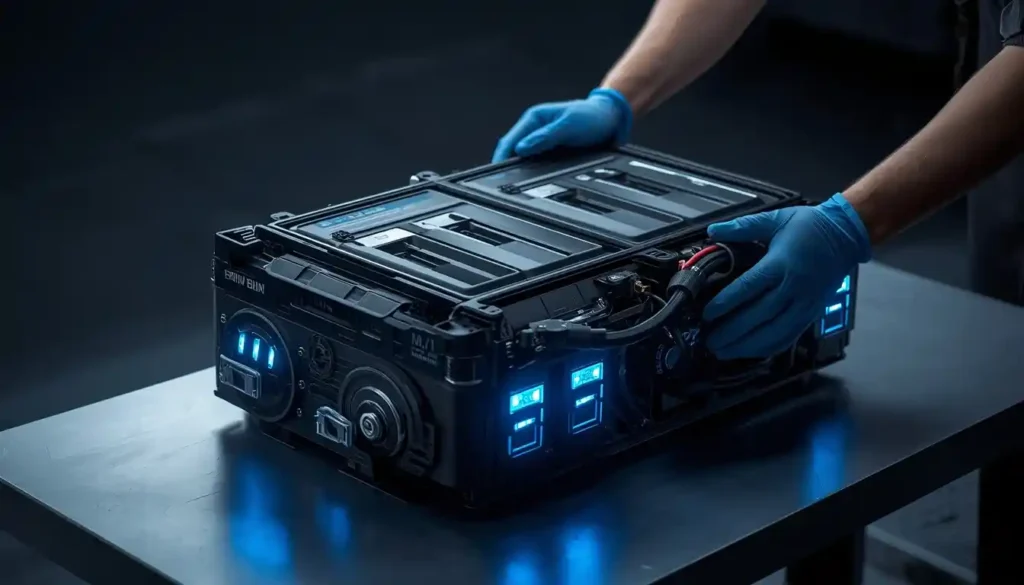
For a full high-voltage pack replacement, owner accounts from forums point to figures in the $15,000 to $25,000 range, depending on whether BMW can source the pack and which specialist handles the work.
Before buying any i8, particularly a 2014 to 2017 car with over 50,000 miles, ask for a battery state-of-health report.
Most BMW dealers and independent hybrid specialists can run a diagnostic showing remaining capacity. If the pack sits below 75% of its original capacity, factor a replacement into your budget or walk away.
BMW i8 Charging Time: Level 1, Level 2, and What You Cannot Do
Most new owners don’t see this coming. The BMW i8 has no DC fast charging support at all.
| Charging Method | Time to Full Charge | Notes |
| Level 1 (standard 120V outlet) | 4.5 hours | Works from any household socket |
| Level 2 (240V home charger) | 1.5 to 2 hours | BMW wall box or third-party EVSE |
| DC Fast Charge | Not supported | The i8 cannot use CCS or CHAdeMO |
That sounds worse than it actually is. The electric-only range sits between 15 and 18 miles, regardless, so there’s no scenario where you’d need rapid top-ups mid-journey.
Owners on forums like PistonHeads have reported the same routine for years: plug into a household socket before bed, wake up to a full battery, and drive the first stretch on electricity. The petrol engine takes over after that without any fuss.
BMW i8 Best Year to Buy: 2014, 2018, or 2020?
This next point matters more to your buying decision than the charging setup ever will.
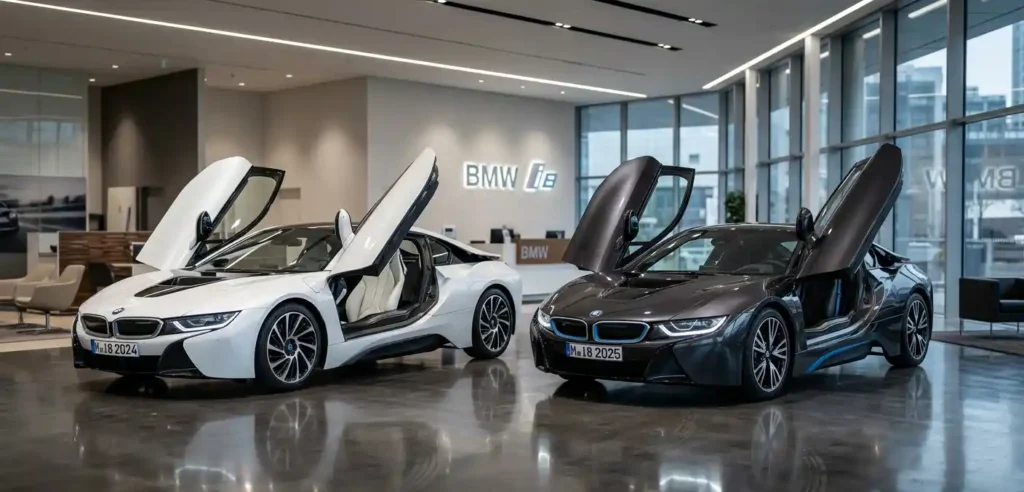
Avoid: 2014 to 2016 Models
Pre-2016 cars carry the original 7.1 kWh battery, the lower 357 hp combined figure, and the most years on the clock.
Battery wear shows up noticeably on many of these older examples when you actually check the range in real conditions. Unless you’re looking at a clean, well-documented car priced below $38,000, the numbers don’t favor the buyer.
Worth Considering: 2017
The last year of the original spec, but still carries the smaller battery. Values are lower than post-2018 cars, and a clean example with under 30,000 miles and full service records represents decent value. Verify recall status and get the battery checked before buying.
Best Buy: 2018 to 2020 Models
The 2018 BMW i8 brought the upgraded 11.6 kWh battery and the bump to 369 hp combined. The larger pack holds charge better and delivers closer to the full 18-mile electric range, even on older examples.
The 2019 and 2020 cars benefit from the full LCI refresh and have the least age on the hybrid components. Classic.com data shows a 2018 to 2020 coupe averaging around $62,000 to $68,000 for clean examples. That’s the sweet spot.
Roadster: Pay the Premium if You Want It
BMW only built 3,884 roadsters. A low-mileage 2019 roadster sold on Cars and Bids in 2022 for $105,000. A 2018 roadster sold at auction for $124,500 in May 2024. If collector appreciation is part of your reasoning for buying, the roadster is where that story plays out over time.
BMW i8 Collector Value Trend in 2026
The collector market for the i8 is interesting right now. It hasn’t gone to the moon the way some enthusiasts expected, but it isn’t collapsing either.
The average used i8 on CarGurus in 2026 lists at around $47,341, down about 2% from the prior year. Classic.com shows an overall average of $62,139 across its tracked sales.
A bmwblog.com auction report from January 2026 noted that low-mileage and near-new coupes are beginning to establish a floor price above standard used examples. In 2024, a 480-mile E-Copper Orange coupe sold for $81,553.
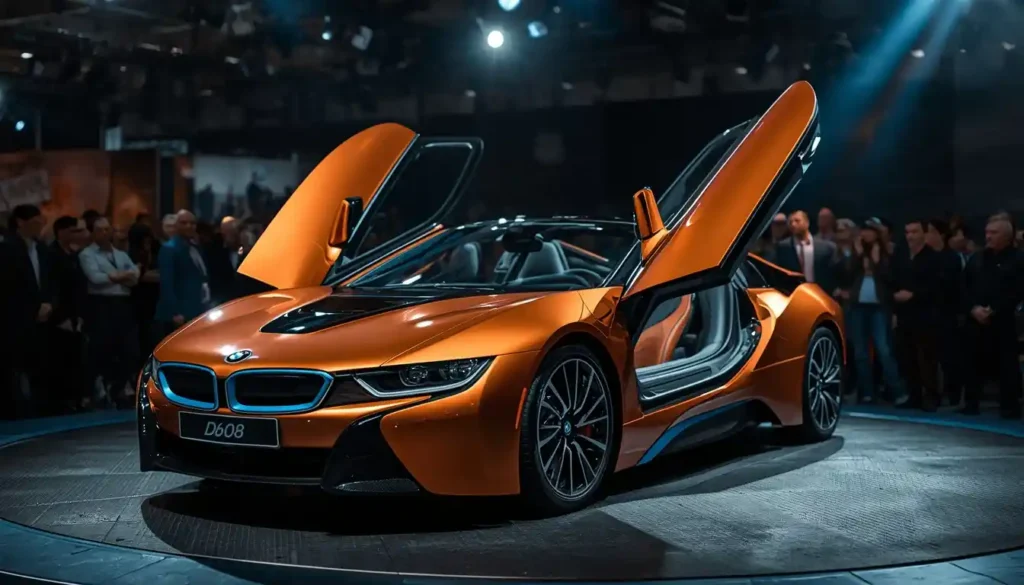
That’s a meaningful premium over the average used car, and it suggests pristine examples are starting to separate from the regular used market.
In my view, the roadster will likely be the collector’s piece in ten years. The low-mileage 2020 coupe in rare colors is worth holding if you already own one.
For buyers looking at 15,000 to 40,000-mile cars as weekend vehicles, current pricing is fair, and the depreciation from here looks modest compared to the 2020 to 2023 slide.
Total Real Cost of BMW i8 Ownership Per Year
Here’s what a realistic annual ownership budget looks like for a 2019 or 2020 coupe used mainly on weekends with around 8,000 miles per year.
| Cost Category | Annual Estimate |
| Insurance (full coverage, average driver) | $3,500 to $4,000 |
| Routine maintenance | $1,200 to $1,800 |
| Fuel (8,000 miles, mixed EV and gas) | $400 to $700 |
| Tires (pro-rated annually) | $300 to $500 |
| Unscheduled repairs (reserve) | $500 to $1,500 |
| Annual total estimate | $5,900 to $8,500 |
That’s not cheap. But compare it against a Porsche 911 Carrera at the same price point, where insurance alone runs $4,000 to $6,000 and fuel costs triple the i8 figure.
The hybrid system actually makes the annual running cost lower than most alternatives at this performance and visual impact level.
Who Should Actually Buy a BMW i8 in 2026
Here’s the honest breakdown after I went through all the data.
Buy the BMW i8 if you want a car that turns more heads than anything in its price range; you’re treating it as a second vehicle or weekend car; you have access to a BMW hybrid specialist within reasonable driving distance.
You’ve budgeted $6,000 to $8,500 per year in total ownership costs; and you’re buying a 2018 to 2020 model with under 40,000 miles and a verified service history.
Skip it if you need your only car to be completely dependable, you want serious track performance, you’re looking at a high-mileage 2014 to 2016 car at a bargain price without a battery health check, or parts availability over the next decade concerns you.
The i8 depreciates far less sharply now than it did from 2020 to 2023. Clean examples are nudging upward in the auction market.
For the right buyer, this is probably one of the last moments to get into an i8 before the collector market fully priced in what BMW built here from 2014 to 2020. If you want a modern BMW performance alternative, our BMW XM 2026 review covers everything.
One thing worth tracking in 2026: the BMW i8 parts supply through official dealers is getting thinner. Owners in the US and UK both report longer wait times on specialist components compared to 2023.
Independent hybrid specialists who stock i8 parts are becoming more valuable than a dealer relationship for this car. Before buying, find a specialist within 50 miles who has worked on i8s before. That one step changes your ownership experience more than any spec comparison.
Considering a newer BMW electric instead? Our BMW iX3 review and BMW iX1 guide cover the current lineup in full.
Frequently Asked Questions
Q: What is the BMW i8 annual maintenance cost?
A: The BMW i8 annual maintenance cost runs between $1,200 and $2,500 for routine services. If you add unscheduled repairs, RepairPal data puts the average annual repair cost closer to $2,123. Budget toward the higher end if you drive it regularly year-round.
Q: How much does BMW i8 insurance cost in 2026?
BMW i8 insurance runs around $2,030 a year for minimum coverage and $4,024 for full coverage in 2026.
Progressive tends to come in lowest among major insurers, with full coverage quotes hovering near $2,294 annually. Your actual rate shifts based on your state, age, and what your driving record looks like.
Q: How long does the BMW i8 battery last?
A: Most owners get 5 to 8 years from the high-voltage lithium-ion pack before range loss becomes hard to ignore.
The early cars, 2014 through 2017, came with the smaller 7.1 kWh battery, and many of those have already started showing noticeable degradation after six years of regular use. Charging habits make a real difference here.
Q: Which BMW i8 year is best to buy?
A: The 2018 to 2020 cars are the ones worth targeting. They got the bigger 11.6 kWh battery, bumped output to 369 hp combined, and came with the full LCI refresh. The 2014 to 2016 cars aren’t worth it unless the price is genuinely low and a battery health check shows the pack still has life in it.
Q: How long does it take to charge a BMW i8?
A: On a standard Level 1 household outlet, the BMW i8 takes about 4.5 hours for a full charge. A Level 2 home charger drops that to around 1.5 to 2 hours. The car does not support DC fast charging, which is not a practical issue given the 15 to 18-mile electric-only range.
Q: Is the BMW i8 reliable enough for daily driving?
A: Reliable enough with planning, yes. The main risks are electrical system faults, air conditioning repairs, and suspension wear on higher-mileage cars.
Annual running costs are low for a sports car when nothing breaks. The concern is parts availability and specialist repair costs when something does need attention.
Q: What is the BMW i8 reliability score?
A: The Warrantywise reliability index placed the BMW i8 at 16.5 out of 100, which put it dead last in its category. RepairPal scores overall BMW reliability at 2.5 out of 5.0, ranking the brand 30th out of 32 manufacturers. Those numbers reflect both the car’s complicated hybrid setup and how old most used examples are getting now.
