
Affordable Electric SUVs
Ford Explorer EV Standard Range RWD: Great Value Review
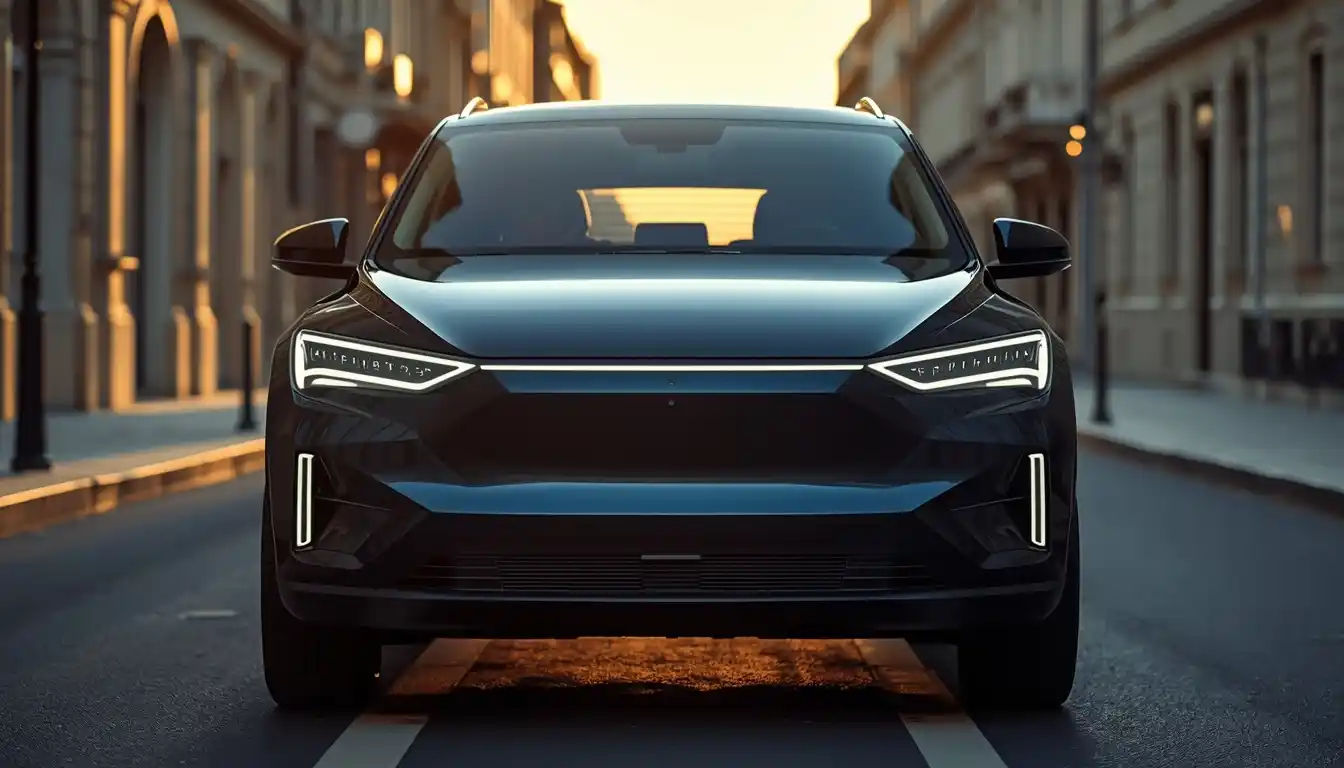
If you’re researching the Ford Explorer EV Standard Range RWD, here’s exactly what you need to know upfront: It starts at around €42,500 in Europe, runs on a 52 kWh usable battery, delivers roughly 201 miles of real-world range, and supports 145 kW DC fast charging.
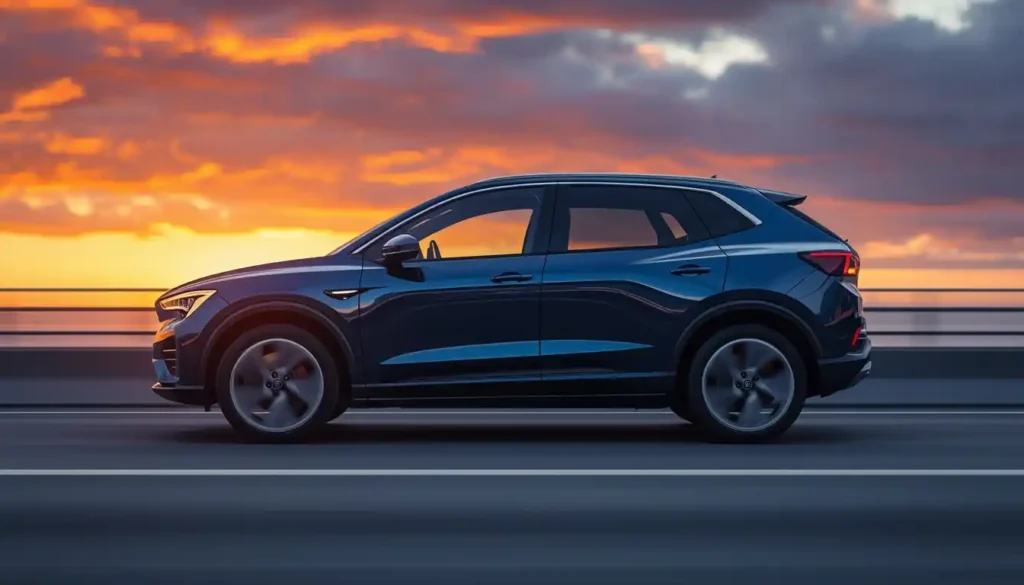
Built on Volkswagen’s MEB (Modular Electric Drive Matrix) platform, it’s Ford’s entry level electric Explorer. I’ve gone through every spec sheet, seasonal range test, and competitor comparison to pull everything together in one place.
What Is the Ford Explorer EV Standard Range RWD?
Ford launched the Ford Explorer Electric in 2026, targeting Europe first. The Standard Range RWD is the base variant, sitting below the Extended Range options.
It’s assembled at Ford’s Cologne plant in Germany and uses the same architecture as the VW ID.4 and Audi Q4 e-tron. That shared foundation gives the car a strong reliability head start since the same underpinnings have already covered millions of kilometers across the continent.
This Ford electric SUV isn’t available in the US yet, though Ford hasn’t ruled out a future launch. In Europe, it goes up against the VW ID.4 Pure, Skoda Elroq 50, and Kia EV6 standard range.
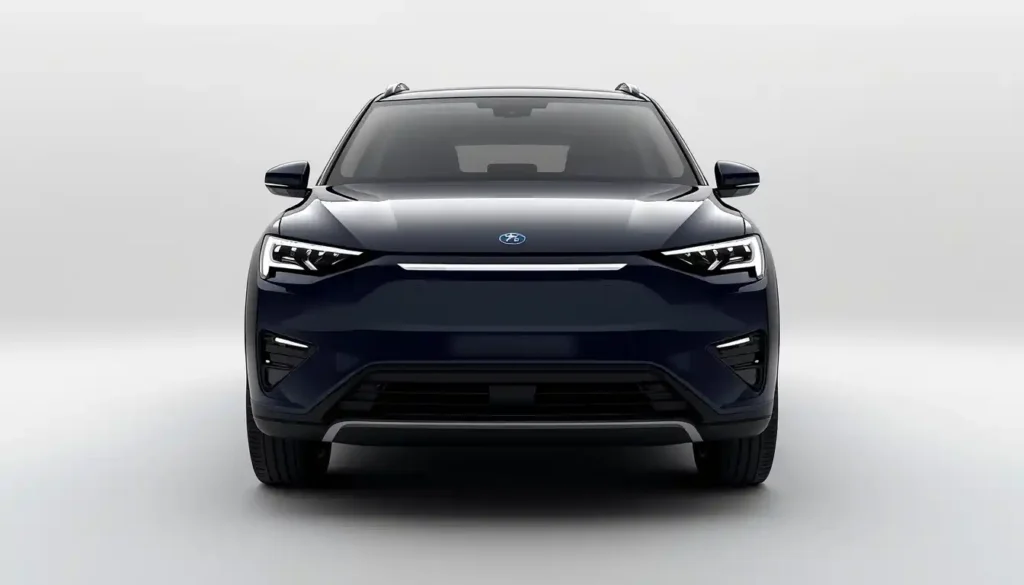
It’s a well priced family SUV that punches above its base-model badge in a few key areas, particularly charging speed.
Ford Explorer EV Standard Range RWD: Full Specs
Here’s a complete breakdown of the Ford Explorer EV Standard Range RWD specs. These are cross referenced across ev database.org, manufacturer sheets, and AutoWeek’s detailed technical data.
| Spec | Detail |
| Battery (Nominal / Usable) | 55 kWh / 52 kWh |
| Motor Type | Permanent Magnet Synchronous (PMSM) |
| Ford Explorer EV Horsepower | 125 kW (168–170 hp) |
| Torque | 310 Nm (229 lb-ft) |
| Drivetrain | Rear-Wheel Drive (RWD) |
| 0–60 mph / 0–100 km/h | ~8.6 sec / 9.0 sec |
| Top Speed | 160 km/h (99 mph) |
| Ford Explorer EV WLTP Range | 380–384 km (236 miles) |
| Real-World Range (summer) | ~323 km (201 miles) |
| Real-World Range (winter) | ~213 km (132 miles) |
| DC Fast Charging | Up to 145 kW |
| 10–80% Charge Time | ~25–30 minutes |
| AC Charging (onboard) | 11 kW |
| Battery Architecture | 400V lithium-ion |
| Charging Port | CCS Type 2 (Europe) |
| Length / Width / Height | 4,468 / 1,871 / 1,630 mm |
| Wheelbase | 2,767 mm (108.9 in) |
| Boot Space | 450 L / 1,422 L (seats folded) |
| Towing (braked) | 1,000 kg |
| Kerb Weight | 2,008 kg |
| Frunk | None |
| Starting Price (EU) | ~€42,500 |
| Market | Europe (launched 2024) |
Performance and Driving Feel
The Ford Explorer EV Standard Range RWD isn’t chasing performance numbers. It’s built for daily comfort and efficiency. The rear-mounted PMSM delivers 125 kW and 310 Nm of torque, giving you a strong, instant pull from a standstill without drama.
Ford Explorer EV performance is tuned for everyday usability, not track days, and it shows in how relaxed the whole experience feels.
Ford Explorer Range RWD 0 to 60 mph: What to Expect
The Ford Explorer EV’s 0 to 60 comes in at around 8.6 seconds. That’s adequate for motorway merges and city overtakes. It won’t surprise you, but it won’t hold you back either.
The Extended Range RWD hits 100 km/h in 6.4 seconds for comparison, which feels noticeably quicker in real traffic. If outright acceleration matters, that’s the variant to stretch your budget for.
Handling and Ride Quality
In my experience with electric SUVs on this platform, the RWD layout improves balance noticeably over front wheel drive versions. Ford fitted the Explorer with a MacPherson strut front and multi link rear suspension, both with coil springs.
It absorbs urban road imperfections well and stays composed at motorway speeds. The Ford Explorer EV’s driving feel, RWD, suits a family hauler perfectly. Sure and steady, even if it doesn’t make you feel excited.
Ford Explorer EV Standard Range: Real-World Range
The official Ford Explorer EV WLTP range is 380–384 km (236 miles). That’s the test cycle number. Here’s what real world data actually shows across seasons:
| Condition | Estimated Range |
| Summer city driving | ~375 km (233 miles) |
| Summer motorway (130 km/h avg) | ~272 km (169 miles) |
| Average summer combined | ~323 km (201 miles) |
| Winter city driving | ~250 km (155 miles) |
| Winter motorway | ~176 km (109 miles) |
| Average winter combined | ~213 km (132 miles) |
Energy consumption sits at around 16.1 kWh per 100 km, which beats the older VW ID. 4 Pure Performance at 17 kWh/100 km. For commuters covering under 150 km daily, the Ford Explorer range is more than enough.
Winter motorway driving is where the 52 kWh battery shows its limits most clearly, so plan charging stops on long, cold weather journeys.cold-weather
Ford Explorer EV Standard Range RWD: Charging Time
Ford Explorer charging is one of this variant’s quiet strengths. Here’s something worth knowing: the Standard Range RWD actually supports faster DC charging than the Extended Range RWD (145 kW versus 135 kW).

The entry model wins on charge speed. That’s not something most buyers expect.
DC Fast Charging Speed
At a 145 kW public charger, the Ford Explorer EV Standard Range RWD goes from 10% to 80% in roughly 25 to 30 minutes. The Ford Explorer EV’s standard range 10-80 percent charge time, makes longer trips practical with a single stop.
For reference, the older VW ID.4 Pure Performance caps at 100 kW DC, so the Explorer has a real-world advantage at fast-charging stations.
Home AC Charging
The 11 kW AC onboard charger EV means a full charge from near-empty takes around 5 to 6 hours on a home wall box. Charge it before you go to sleep so it’s ready to use in the morning.
The Ford Explorer EV Standard Range AC charging speed handles daily top-ups without any concern. Port is CCS Type 2, the standard across the EU.
Ford Explorer EV Standard Range RWD Interior, Infotainment, and Cargo
The cabin feels modern and well thought out. The centerpiece is Ford’s SYNC Move touchscreen at 15 inches, in a portrait orientation that physically slides up and down.
Ford SYNC infotainment integration is clean and responsive, with Apple CarPlay and Android Auto standard. A five-seat capacity with a 2,767 mm wheelbase gives comfortable room for adults in both rows.
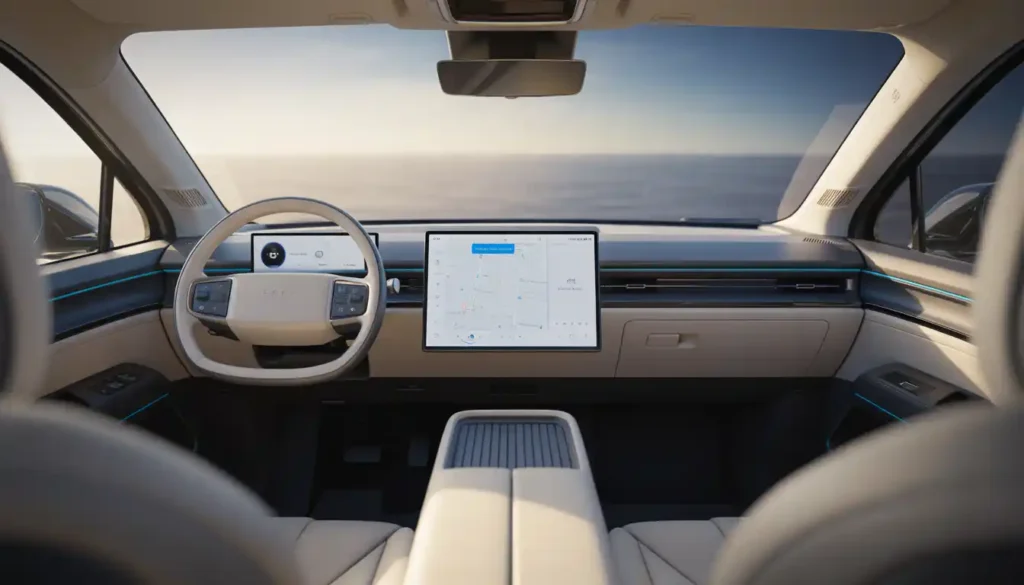
Boot space is 450 litres with seats up, expanding to 1,422 litres folded flat. That’s a strong number. The one gap worth flagging: no frunk. Neither variant of the Explorer EV includes front storage, unlike the Kia EV6, which gives you 52 liters up front.
Heated front seats, electric adjustment with memory, and dual-zone automatic climate control all come standard on the base trim.
Ford Explorer EV Standard Range MY2026 Changes
Here’s something most English-language articles haven’t covered properly yet. The Ford Explorer EV Standard Range MY26 changes are genuinely meaningful.
The 2026 model gets a 58 kWh battery (up from 55 kWh nominal) and a new 140 kW (190 hp) motor replacing the original 125 kW unit. The 0-100 km/h time improves to around 8 seconds flat, and Auto Express confirmed a 0-62 mph improvement of 0.7 seconds.
If you’re shopping in 2026, this is the version worth finding. The Ford Explorer EV 2026 update fixes the biggest complaint about the original model: sluggish acceleration. Better power, slightly more battery, same fast DC charging. It’s a meaningful upgrade.
Ford Explorer EV Standard Range vs Extended Range
The difference between the Ford Explorer EV Standard and Extended Range is more than just battery size. Here’s the full breakdown to help you decide:
| Spec | Standard Range RWD | Extended Range RWD |
| Usable Battery | 52 kWh | 77 kWh |
| Power | 125 kW (168 hp) | 210 kW (282 hp) |
| 0–100 km/h | 9.0 sec | 6.4 sec |
| WLTP Range | 380 km (236 mi) | 602 km (374 mi) |
| Real Range (summer) | 323 km (201 mi) | 513 km (319 mi) |
| DC Charging | 145 kW (faster) | 135 kW |
| Top Speed | 160 km/h | 180 km/h |
| Starting Price (EU) | ~€42,500 | ~€48,510 |
| Towing (braked) | 1,000 kg | 1,200 kg |
My take: the Standard Range makes strong financial sense if your daily distance stays under 150 km and you have home charging.
You get faster DC top-ups than the bigger model, which actually matters on road trips. The Extended Range earns its extra €6,000 if you regularly do long motorway drives, especially in winter.
Safety and Driver Assistance
Ford takes safety seriously with the Explorer EV, and it shows. The base trim comes loaded with Co-Pilot360, which covers the essentials you actually use: autonomous emergency braking with pedestrian detection, lane keeping assist, blind spot monitoring, cross traffic warning, and traffic sign recognition.
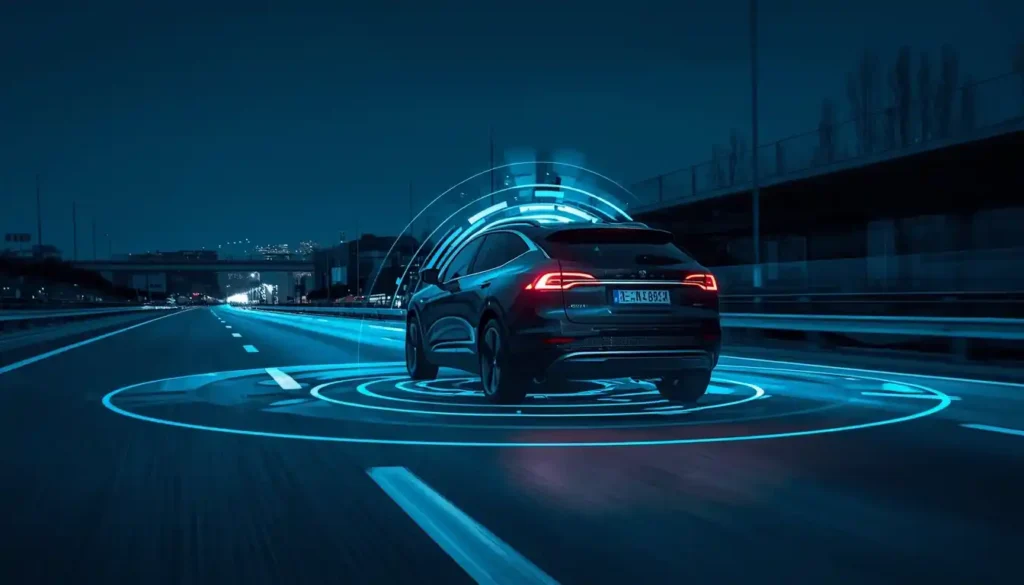
Under the hood of the safety system, you also get ABS, electronic stability control, hill assist, a pre-crash system, and curtain airbags front and rear. The full Explorer EV range earned 5 stars in Euro NCAP testing, which puts it among the safest compact electric SUVs you can buy right now.
Warranty and Long Term Reliability
Ford backs the Explorer EV with a 2-year unlimited-kilometer warranty in Europe and an 8-year / 160,000 km battery warranty guaranteeing at least 70% capacity.
The shared architecture with the established VW ID. 4 is a genuine advantage here since that platform has already proven itself across hundreds of thousands of vehicles globally. Early registration data from Norway shows 29 MY2025 units in service without reported major issues.
How It Compares to Key Rivals
The Ford Explorer EV Standard Range RWD sits in a tough segment. Here’s where it lands against the closest alternatives on the metrics that matter most:
| Model | Real Range (summer) | DC Charging | Boot (folded) |
| Ford Explorer EV Standard Range RWD | 323 km (201 mi) | 145 kW | 1,422 L |
| VW ID.4 Pure (2023) | 315 km (196 mi) | 145 kW | 1,575 L |
| Skoda Elroq 50 | 323 km (201 mi) | ~130 kW | N/A |
| Kia EV6 Standard Range | 365 km (227 mi) | 180 kW (800V) | 1,290 L |
| Audi Q4 e-tron 35 | 293 km (182 mi) | 100 kW | 1,490 L |
The Kia EV6 leads in range and charging speed, and its 800V architecture is genuinely impressive. But the Explorer EV hits back with more folded seat cargo space (1,422 L vs 1,290 L) and stronger towing (1,000 kg vs 750 kg).
The VW ID.4 Pure can’t match it on efficiency, and the interior feels noticeably dated by comparison. Charging speed is equal, so no advantage there for the VW.
The Audi Q4 e-tron 35 is the weakest of the three rivals here 100 kW DC charging in 2024 is simply not competitive anymore, and you pay Audi money for it.
Should You Buy the Ford Explorer EV Standard Range RWD?
For daily commuters who charge at home and cover under 150 km a day, this car makes a strong case. The 145 kW DC fast charging, 201-mile real-world summer range, comfortable five-seat cabin, and proven architecture combine into a sensible package starting at €42,500.
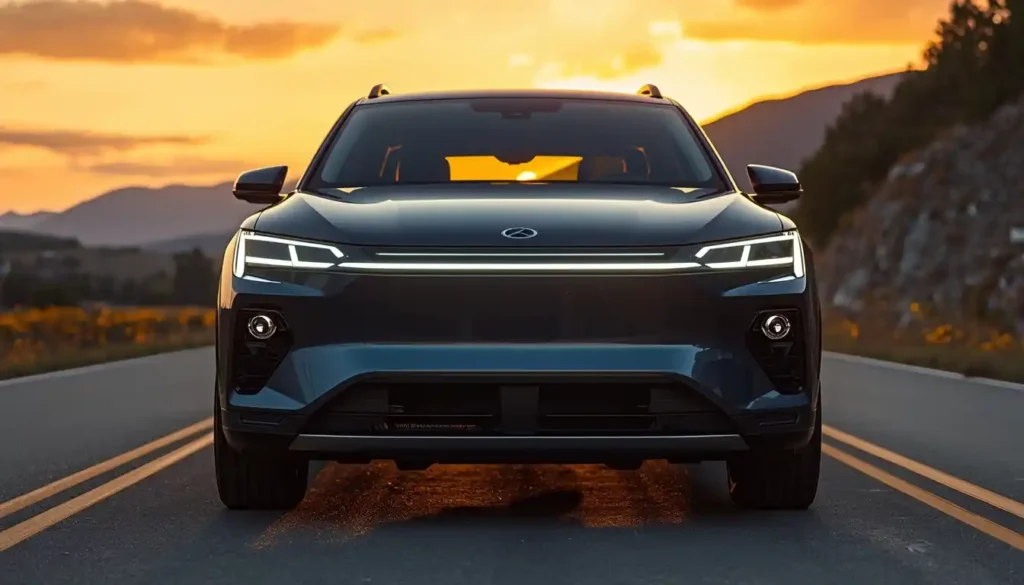
The weak spots are real: no frunk, a modest winter range, and the MY2024-25 acceleration feels slow. The MY2026 model with the 190 hp upgrade fixes the biggest complaint directly. If you can find or wait for that version, it’s the one worth buying.
More power and all-wheel drive come with the Explorer Premium AWD.
Frequently Asked Questions
Q: How far can the Ford Explorer EV Standard Range go on a full charge?
A: The WLTP-rated range is 380-384 km (236 miles). In the real world, expect around 323 km (201 miles) in summer and approximately 213 km (132 miles) in cold winter conditions. Motorway driving at high speed reduces range the most.
Q: How fast does the Ford Explorer EV charge?
A: DC fast charging tops out at 145 kW, covering 10% to 80% in roughly 25 to 30 minutes. The 11 kW AC onboard charger fills the battery overnight in around 5 to 6 hours on a home wall box.
Q: What is the 0 to 60 mph time for the Ford Explorer EV Standard Range RWD?
A: The MY2024-25 model does 0 to 60 mph in approximately 8.6 seconds. The MY2026 update cuts this to around 8.0 seconds to 100 km/h with the new 190 hp motor.
Q: Is the Ford Explorer EV Standard Range available in the USA?
A: No. It’s built for the European market and has no confirmed US launch date. A US version would need a different charging port, either CCS Type 1 or NACS.
Q: What is the difference between Ford Explorer EV Standard and Extended Range?
A: Battery (52 kWh vs 77 kWh), power (125 kW vs 210 kW), real-world range (323 km vs 513 km), and towing (1,000 kg vs 1,200 kg) are the main differences. The Standard Range charges faster at DC stations: 145 kW vs. 135 kW.
Q: Does the Ford Explorer EV Standard Range have a frunk?
A: No. Neither variant of the Explorer EV includes a front trunk. The Kia EV6 Standard Range offers 52 liters of frunk storage if that matters to you.
Q: What platform does the Ford Explorer EV use?
A: It runs on Volkswagen’s MEB platform, shared with the VW ID.4, Audi Q4 e-tron, and Skoda Enyaq. That well-proven architecture is one of the strongest reliability arguments in the Explorer EV’s favor.
Final Verdict
The Ford Explorer EV Standard Range RWD is not the most exciting electric SUV you can buy, but it might be one of the most sensible ones at this price. You get a proven platform, 145 kW fast charging that beats its own bigger sibling, a practical 1,422-liter cargo area, and a solid safety kit, all starting at around €42,500.
The honest weaknesses are a slow 0-60, no frunk, and a winter range that drops noticeably. But the MY2026 model with the 190 hp motor addresses the biggest complaint directly.
Bottom line: For city and suburban commuters who charge at home, this car earns a genuine recommendation. If you can get the MY2026 version, even better. That is the one I would buy.
