
Electric SUVs
Tesla Model X 2026 Review: Range, Price and Plaid Specs
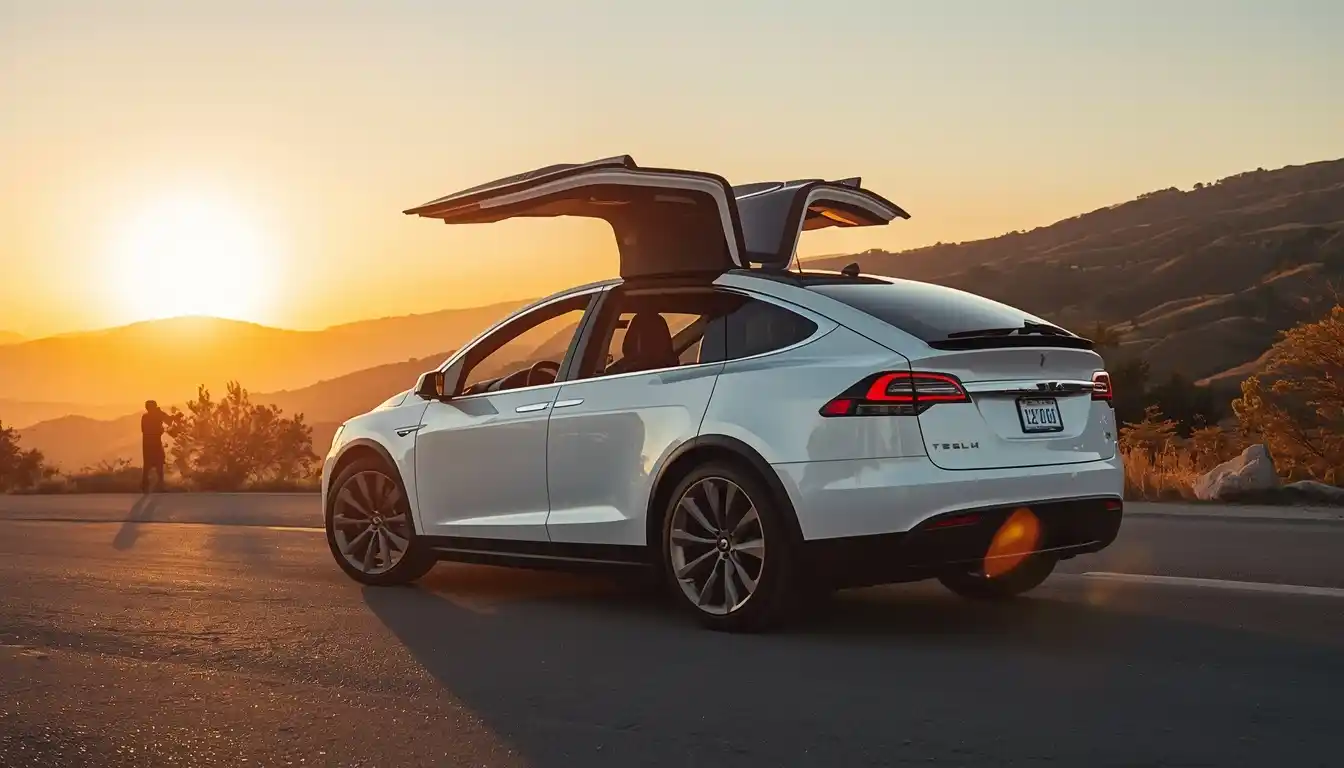
If you’ve been thinking about the Tesla Model X, here’s what you need to know right now: Tesla is ending production of the Model X this spring of 2026.
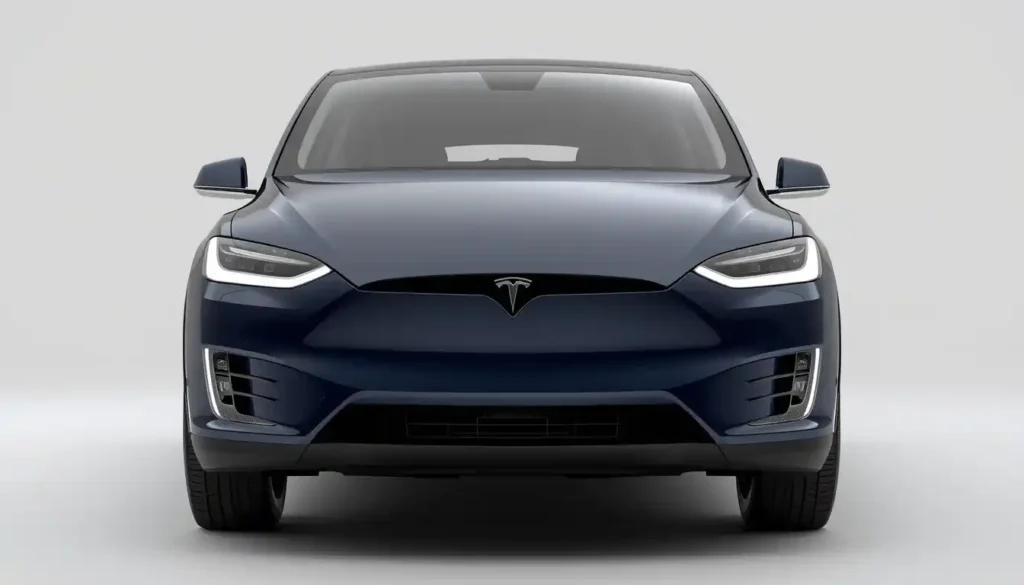
Elon Musk confirmed it on Tesla’s Q4 earnings call in January, saying the Fremont factory line will shift to building Optimus humanoid robots. That means the window to buy a brand new Tesla Model X is closing fast.
So whether you’re considering the new model, eyeing a used one, or just trying to figure out if it’s worth the money, this review covers everything you need to make a smart decision.
What Is the Tesla Model X and Who Is It For?
The Tesla Model X is a luxury electric SUV that Tesla has been building since 2015. It sits at the top of Tesla’s SUV lineup, above the Model Y, and it’s built for buyers who want serious performance, three rows of seating, and tech-forward features wrapped in one package.
This is a Tesla SUV designed for families who refuse to compromise on speed, range, or interior comfort.
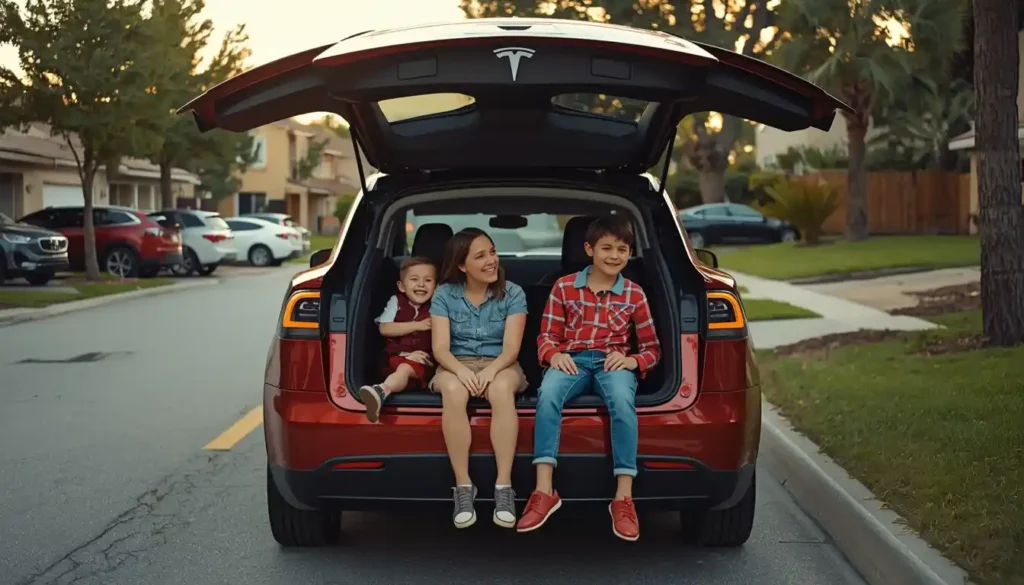
Think of it this way: the Model X is basically a sports car pretending to be a family hauler. One of the few electric crossover SUVs that can fit seven passengers and still sprint from 0 to 60 mph in under four seconds, it delivers rare performance for its size. That’s a claim only a handful of luxury SUVs can make.
Tesla Model X Price: How Much Does It Cost in 2026?
The 2026 Tesla Model X price starts at $99,990 for the base All Wheel Drive trim. The Model X Plaid pushes the Model X price up to $114,990 with its tri motor setup and 1,020 horsepower.
If you add options like a six seat interior configuration, premium paint, or upgraded wheels, the final price can climb well past $116,000.
Compared to competitors like the BMW iX (starting around $76,600) and the Rivian R1S (from $78,885), the Tesla X price sits noticeably higher.
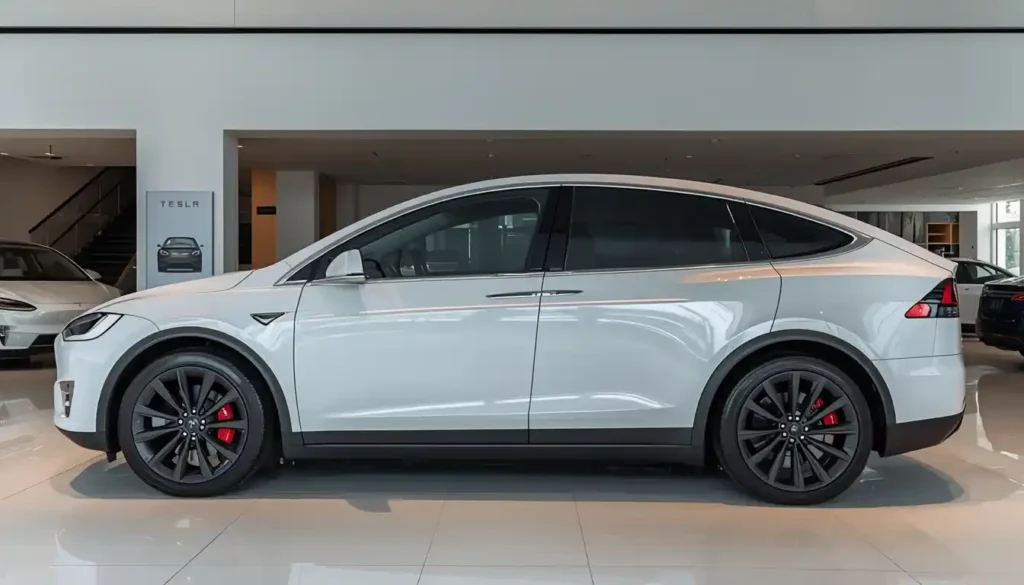
You’re paying a premium for the brand, the Supercharger network access, and the performance credentials. Whether that premium makes sense depends entirely on how much each of those things matters to you.
Tesla Model X Performance: Base vs Plaid
The base Model X delivers 670 horsepower from its dual motor All Wheel Drive setup. Car and Driver clocked it at 3.6 seconds to 60 mph in real-world testing, which is genuinely fast for a 5,200-pound electric SUV.
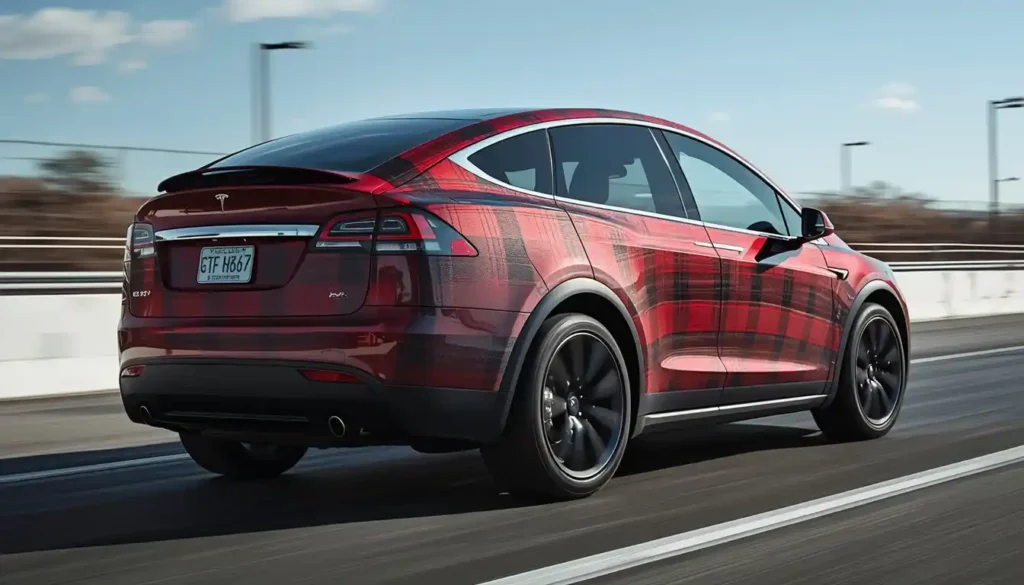
The steering is quick, the adaptive air suspension keeps the ride comfortable even at speed, and the regenerative braking is strong enough that you can often drive around town without touching the brake pedal at all.
Tesla Model X Acceleration and Top Speed
The Model X Plaid takes Tesla Model X acceleration to a completely different level. With a claimed 0-60 time of 2.5 seconds and a top speed of 163 mph (upgradeable to 200 mph with a paid hardware unlock), the Plaid is genuinely supercar fast.
Tesla’s own Model S Plaid sedan, which shares the same underpinnings, hit 2.1 seconds in C&D track testing. The Model X Plaid is heavier, but the performance gap between it and exotic sports cars is shrinking every year.
If you’re considering a smaller option, our Tesla Model Y 2026 buyers’ guide covers everything you need to know before making a decision.
Tesla Model X Range, Charging and the Supercharger Network
The 2026 Tesla Model X offers an EPA estimated range of 352 miles on the base trim with 20-inch wheels. The Plaid trim drops slightly to 335 miles due to its higher power output and increased weight.
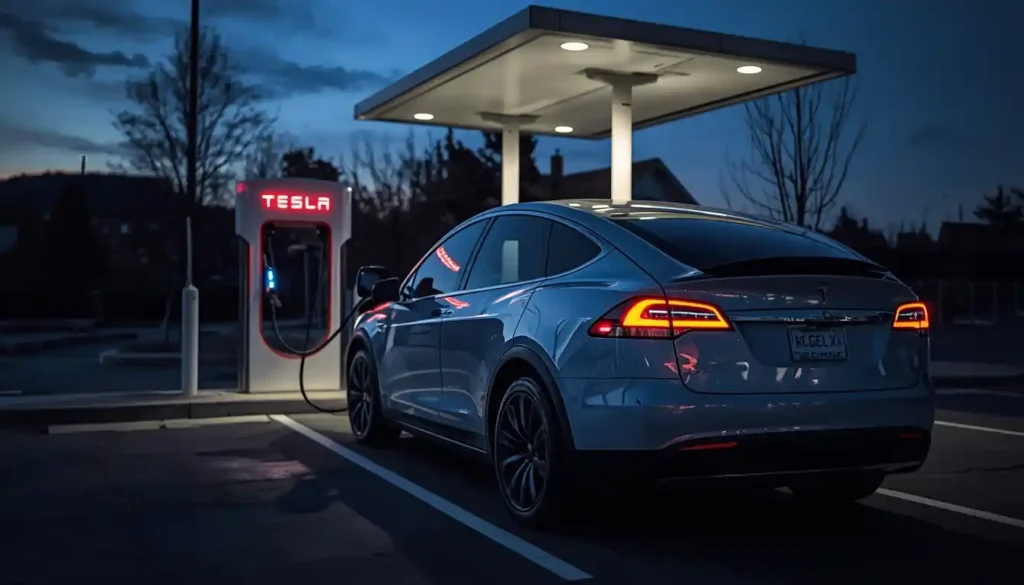
In Car and Driver’s real world 75 mph highway test, the base Model X delivered about 300 miles before needing a charge, which is strong for its size and class.
Charging is handled through Tesla’s global Supercharger network, which now covers over 75,000 locations worldwide. At a fast DC Supercharger, the Model X can add roughly 179 miles in just 15 minutes, and it peaks at 250 kW charging speed.
For home charging, Tesla’s wall connector on a 240 volt circuit will fully recharge the battery overnight. The Tesla charging network is genuinely one of the strongest competitive advantages the brand has, and it’s something competitors like Rivian and BMW are still trying to match at scale.
One thing worth flagging here: several owners have reported that the Tesla Model X range degrades noticeably in cold weather, particularly on pre2020 models. Battery degradation over time is real, especially in older model years, so if you’re looking at a used Model X, always ask about the current battery health before buying.
Inside the Tesla Model X: Interior, Seating and Cargo Space
The Tesla Model X interior is built around a massive 17.4-inch touchscreen up front, a smaller driver display cluster, and a second 9.4-inch screen for rear passengers.
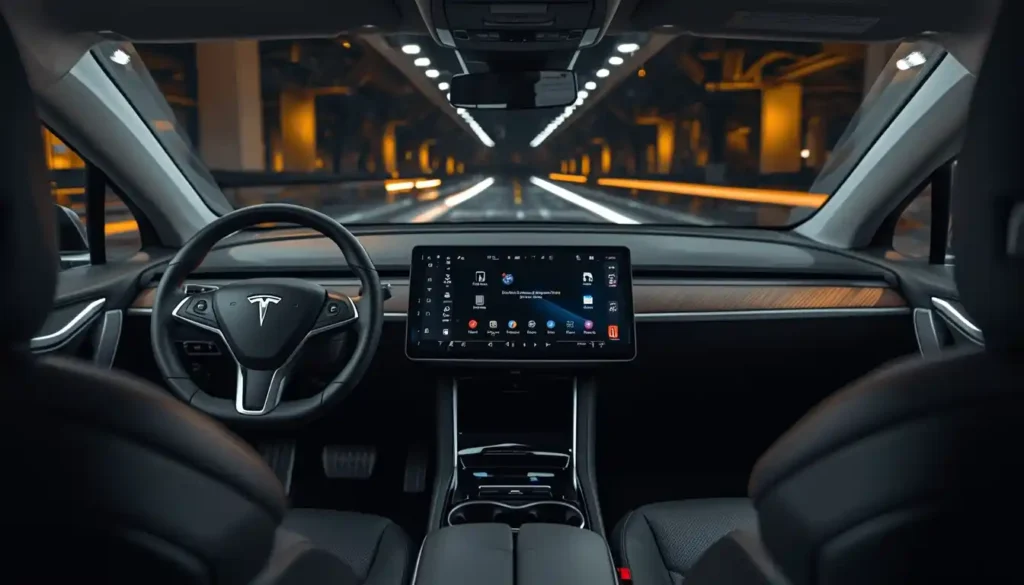
Almost every function, from climate control to mirror adjustments, runs through the touchscreen. Some people love this minimalist approach. Others find it genuinely frustrating, especially when you’re trying to adjust the heat while driving.
Model X 7 Seater vs 6 Seater Configuration
The 7-seater configuration uses a traditional three-row bench layout. The 6 seater swaps the second row bench for two captain’s chairs, which opens up a walkthrough to the third row and makes boarding much easier for kids and car seats.
If you regularly have six or more people riding, the 6 seat configuration is honestly the better choice for everyday use.
Cargo space is one of the Model X’s genuine strengths. The five seat configuration opens up 91.6 cubic feet of total cargo volume. The front trunk adds another 6.5 cubic feet. The towing capacity reaches 5,000 pounds, which is substantial for an electric SUV.
The HEPA filtration system, tri zone climate controls, and 22-speaker 960 watt audio system round out a cabin that genuinely feels premium when everything works properly.
I’ll be direct about the build quality, though: it has a known consistency problem. Edmunds owner reviews reflect a 3.3 out of 5 rating, and the most common complaints center on malfunctioning Falcon Wing doors, touchscreen failures, and long wait times at Tesla service centers.
These aren’t rare edge cases. They’re patterns. Go in with eyes open.
Falcon Wing Doors: Tesla’s Most Talked About Feature
The Tesla with butterfly doors, officially called Falcon Wing doors, is what most people picture the moment you say “Tesla Model X.” These are the upward-swinging rear doors that open vertically like wings, and they’re genuinely impressive to watch.
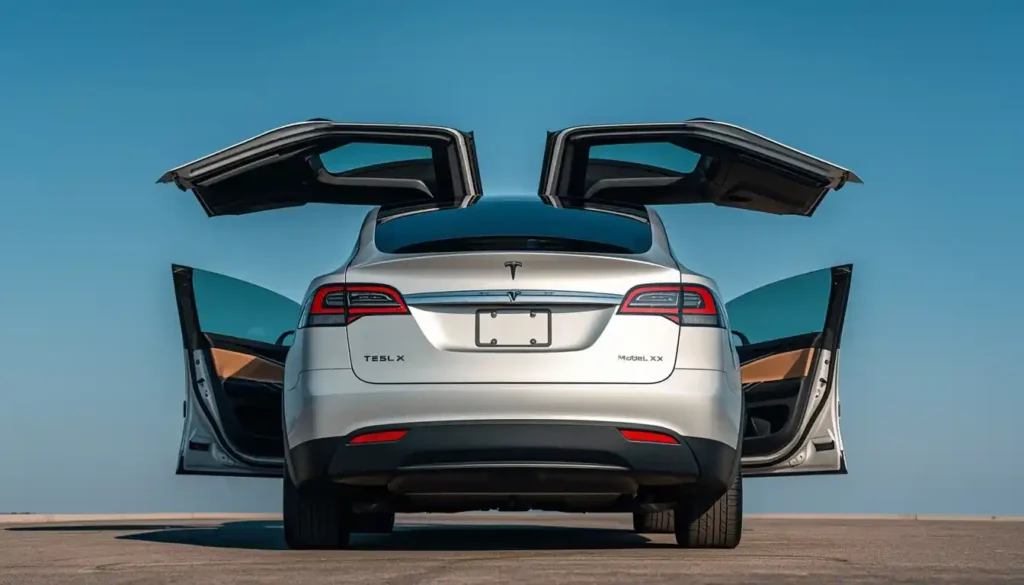
In tight parking lots, they actually need less side clearance than conventional doors, which is a real practical benefit most people don’t expect.
The Tesla Model X doors use dual pivot hinges with ultrasonic sensors that detect overhead obstacles and adjust the opening angle automatically.
The Model X’s door design makes loading kids into car seats significantly easier than that of any traditional SUV, and that alone wins over many parents.
But here’s the honest reality: the doors are also the most frequently complained about component on the car. Cold weather, sensor calibration issues, and age can cause them to malfunction, refuse to open, or stop mid swing.
If you’re buying a used model, test the Falcon wing doors thoroughly before you sign anything.
Tesla Model X vs Model Y: Which Should You Buy?
Choosing between the Tesla Model X and Model Y depends on how much you want to spend and what features matter most to you. The Tesla Model Y starts at $41,630 and does a lot of what the Model X does at less than half the price.
The Model Y has similar tech, Supercharger access, and decent range. It’s also the best selling vehicle for a reason.
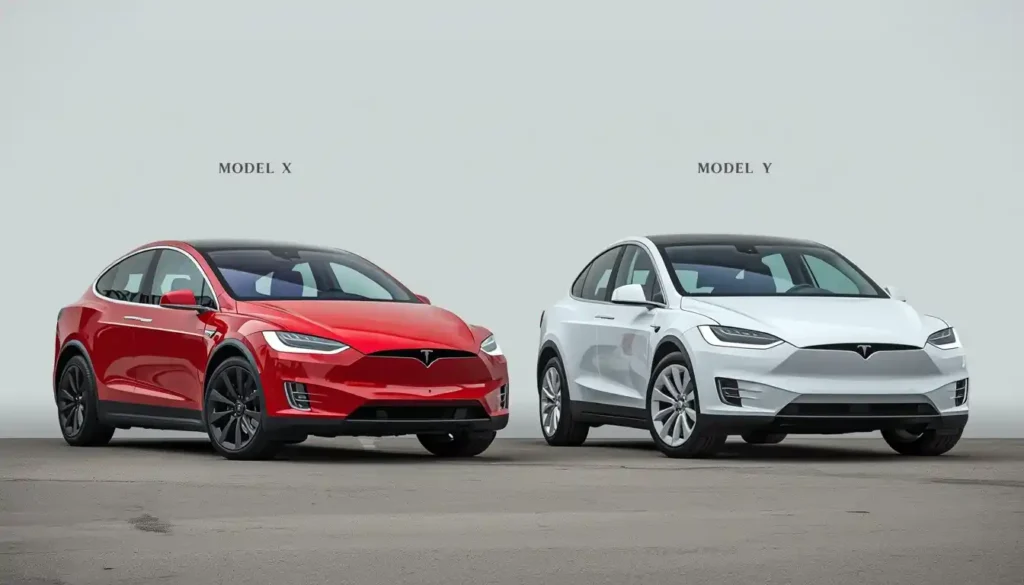
Here’s where the Tesla X vs. Y decision gets clear: if you need three rows of seating regularly, have a budget above $100k, and want blistering performance with showstopper styling, the Model X earns its premium.
If you’re looking for a practical electric SUV for everyday use, the Model Y covers most of what the Model X offers, while costing about $60,000 less.
Used Tesla Model X in 2026: Is It Worth Buying After Discontinuation?
This is the question everyone should be asking right now. Discontinuation news hit the used market hard, causing a major price drop on pre-owned examples.
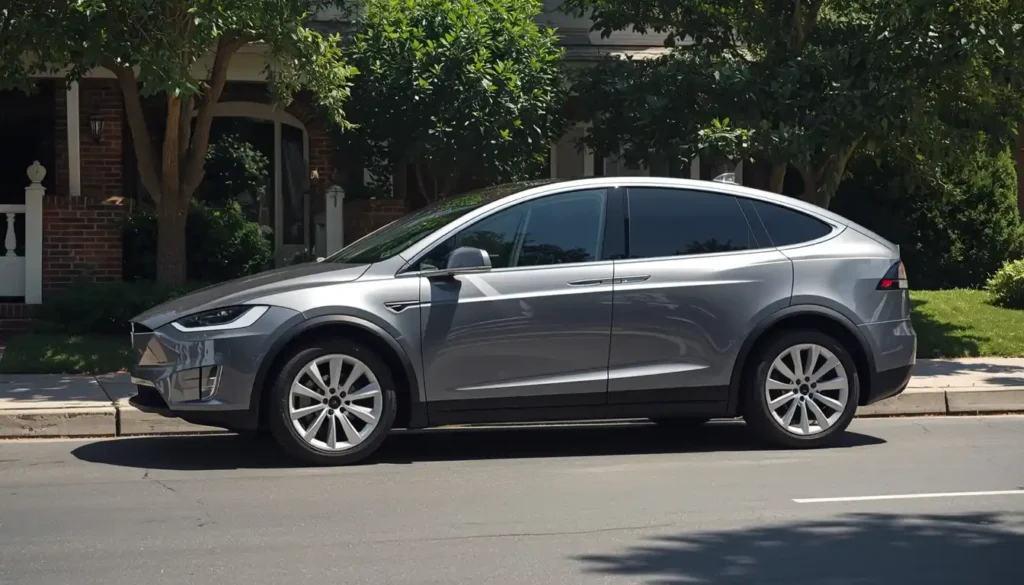
A 2017 Tesla Model X that originally sold for $75,900 now sells for as little as $22,990 on Carvana and CarMax. That’s a 69.7% depreciation from the original MSRP.
So, which year should you buy? Here’s what I’ve found across owner communities and market data:
For used buyers, the 2020 and 2021 Tesla Model X trims offer a strong balance of modern tech and value.
They include Hardware 3.0 for Full Self Driving support, avoid many early build quality issues, and are still available as well kept examples with under 60,000 miles in the $30,000–$40,000 range.
The 2022 Model X introduced a refreshed interior with the updated steering wheel and improved second row screens, making it the best overall buy if you can stretch the budget to $50,000 plus.
Avoid the 2016 and early 2017 models unless you’re a Tesla enthusiast who enjoys DIY maintenance. Hardware versions are outdated, the range has degraded, and parts availability is a real concern now that production is ending.
Tesla Model X Competitors: How Does It Stack Up?
The luxury electric SUV segment has grown significantly since the Tesla Model X launched a decade ago. Here’s how the competition looks today and where the Tesla Model X still holds ground:
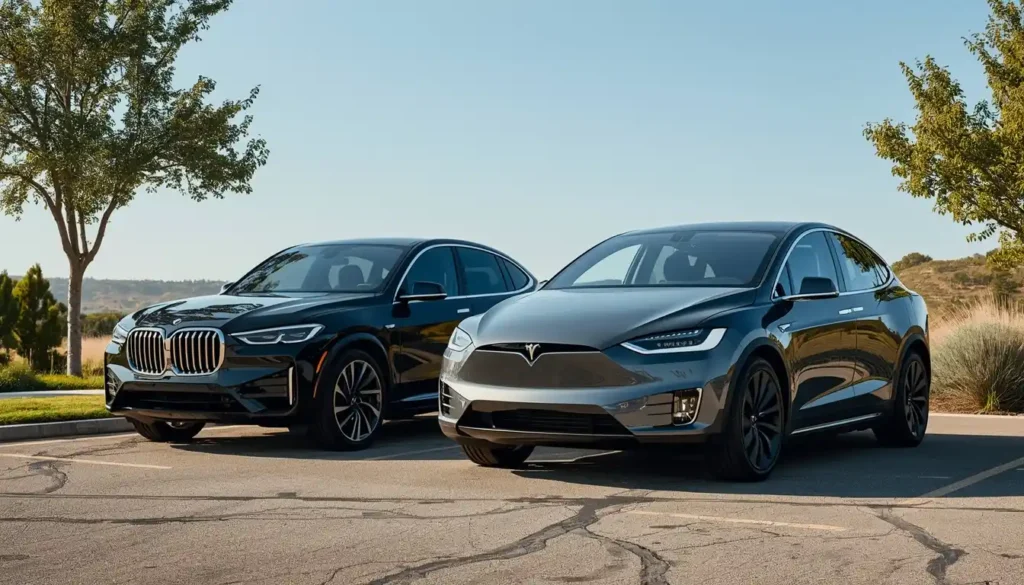
The Rivian R1S starts at $78,885 and offers genuine off road capability plus an impressive range of up to 410 miles. It’s a better value and scores higher in recent rankings from Car and Driver.
The BMW iX starts at $76,600 with a more conventional luxury SUV experience, stronger build quality, and better interior materials than the Model X.
The Lucid Gravity is the newest competitor, offering up to 450 miles of range starting around $81,550, which makes the Model X’s price harder to justify for range focused buyers.
The Kia EV9 is the surprising value play in the electric SUV with the third row segment, starting at $54,900 with three rows, strong charging capability, and a more affordable price point that’s drawing buyers away from the Tesla Model X.
The best electric SUV title no longer belongs automatically to Tesla, and that’s worth acknowledging honestly. Still, nothing in this segment combines the Tesla Model X’s performance, range, and Supercharger network access quite the same way.
Frequently Asked Questions
Q: Is the Tesla Model X being discontinued?
A: Yes. Elon Musk confirmed on January 28, 2026, that Tesla will end production of the Model X and Model S. The Fremont factory line will be converted to build Optimus robots. If you’d like a new one, please ask for it now.
Q: What is the 0-60 time?
A: The base All Wheel Drive trim hits 60 mph in 3.6 seconds. The Plaid claims 2.5 seconds in its spec sheet.
Q: Does it have Apple CarPlay?
A: No. It can’t connect to Apple CarPlay or Android Auto. It runs Tesla’s own Google-based infotainment system with built-in streaming services like Spotify and Apple Music.
Q: How much does a used one cost?
A: Used Tesla Model X prices currently range from $12,500 to $58,000, depending on year, mileage, and trim. A clean 2020 Long Range example typically runs around $30,000 to $38,000 in today’s market.
Q: Can it tow?
A: Yes. It has a towing capacity of 5,000 pounds with the standard tow package included.
Q: How long does charging take?
A: On a DC Supercharger, it can add 179 miles in 15 minutes. A full charge from 10% to 90% takes roughly 37 minutes. Home charging on a 240-volt wall connector takes about 12 to 14 hours for a complete charge.
